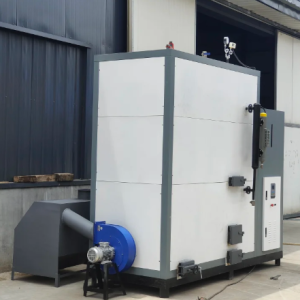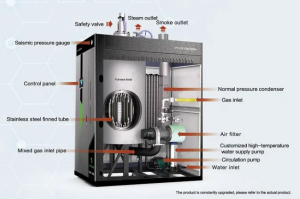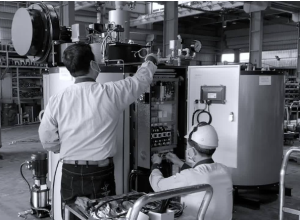
Biomass Boiler Systems | Waste Recovery Heating Systems

Are Biomass Boiler Systems Worth It?

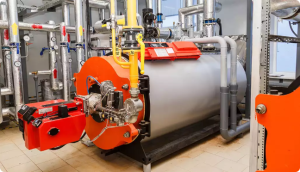
Biomass boiler systems cannot be overlooked when it comes to heating efficiency with reduced emissions and low carbon footprint. These units have gained popularity in small businesses and residential communities for their ability to generate pressure waste and manage carbon dioxide in the atmosphere.

These boilers come in different sizes, shapes, installation techniques, and fuel types, making it challenging to find the right one. To help you choose, here’s an in-depth guide on how biomass boiler systems work, their efficiency, emissions, and costs.

How Does a Biomass Boiler System Work?

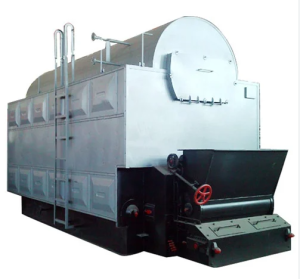
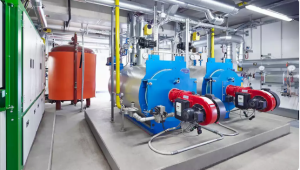
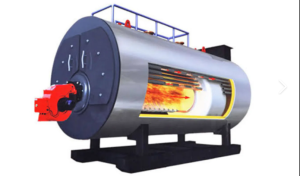
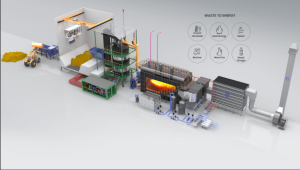
The working principle of biomass boiler systems is similar to conventional boilers, generating heat by burning non-fossil fuels. They are larger than their counterparts because of the substantial fuel volume used in the chamber, occupying more space.
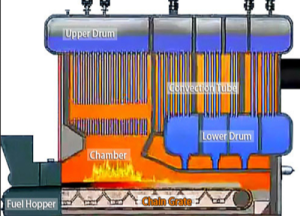
Key Components:

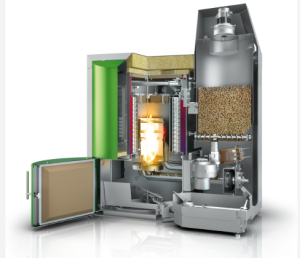
  • Fuel hopper for storage
  • Combustion chamber where fuel burns
  • Heat exchanger that transfers heat to water
  • Exhaust system for fumes
  • Ash collection system

Three Stage Process:

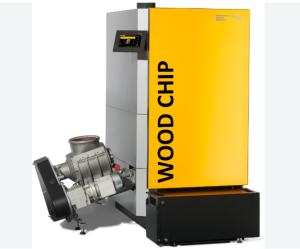
  1. Fuel Feeding: The fuel (wood pellets, chips, or logs) is fed into the combustion chamber. Feeders can be automatic, semi-automatic, or manual depending on facility and budget.
  2. Combustion: When ignited, the fuel produces hot gases that travel through the flue into the heat exchanger chamber, heating water which turns to steam for industrial equipment.
  3. Byproduct Handling: Ash byproducts collect in a separate tray while remaining heat goes to thermal storage containers (buffer tanks). Maintaining adequate fuel supply reduces transportation costs.

Residential vs Commercial Biomass Boilers

For Homes:

Biomass boiler systems are ideal for homeowners seeking more sustainable, efficient heating. Using natural resources like wood pellets, chips, logs and other organic materials, they offer:

  • Reduced carbon footprint compared to oil/gas boilers
  • Renewable energy source
  • Lower emissions of pollutants
  • Efficient, sustainable low-maintenance heating

For Businesses:

Commercial biomass steam boilers help reduce carbon footprint, lower electricity costs and produce clean thermal energy. Used in both public and private industrial settings, large 500 MWth boiler plants can achieve heating efficiency up to 89%.

Combustion Process:

The commercial combustion process builds on four main units:

  • Feed system
  • Combustion chamber
  • Air supply
  • Emissions system

Industrial settings often add gas recirculation (FGR), automatic controllers and separate heat exchangers.

Factors Affecting Biomass Boiler Efficiency

1. Flue Gas Temperature

The difference between initial temperature and flue temperature indicates efficiency. Hot exiting gases mean heat wasn’t transferred to water, representing lost energy. Industrial installations often use maintenance devices to prevent such losses.

2. Type of Biomass Fuel

Typical biomass boiler systems average 80-90% efficiency, depending on fuel type. Here’s a breakdown of common fuels:

Fuel Type Energy per Ton (Moisture Content)
Wood chips ~4800 kWh (10-15%)
Logs ~3500 kWh (25-30%)
Wood pellets ~4800 kWh (5-8%)
Sawdust ~1500 kWh (<20%)

3. Emission Levels

Lower emissions generally indicate better heating efficiency. Commercial biomass boiler emissions fall into three categories:

CO₂ Emissions

While wood combustion produces high CO₂ due to high calorific value, biomass emissions are part of natural atmospheric carbon cycle, making the fuel carbon neutral.

NOₓ Emissions

Small dry pellets typically emit 50-60 mg/MJ, while chip boilers emit 170-180 mg/MJ. Both levels are negligible for maintaining efficiency.

Particulate Matter (PM)

Modern industrial biomass boilers produce 10-70 mg/MJ, similar to oil. Ceramic filters help maintain low emissions, especially in urban areas.
Thermal Storage Capacity

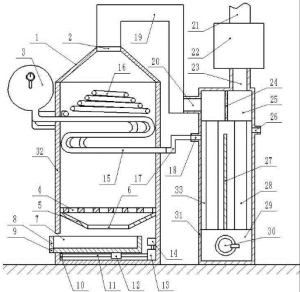
Thermal storage allows boilers to store heat energy, extending working life. High storage means better heating efficiency and lower emissions. Studies show:

  • 25 KW modern biomass boilers with buffer tanks achieve 74% efficiency
  • Same boilers without buffers achieve only 57% efficiency

However, separate buffer containers increase the already substantial system size.
Biomass Boiler Costs

Installation Costs

Purchase and installation costs can be high, especially for residential use:

  • 15kW automatic feed boiler: $16,000-$18,000
  • 15kW manual feed boiler: $11,000-$13,000

Fuel Costs

Wood pellets cost $200-$300 per ton, with annual residential fuel costs around $3,000.

Maintenance

Maintenance costs are minimal but important:

  • Weekly ash removal (or invest in self-cleaning models)
  • Feed system maintenance every two months
  • Weekly heat exchanger and ash remover cleaning
  • Annual technician inspection

How to Get Biomass Boiler Grants

  1. Research available grants and eligibility requirements
  2. Contact relevant agencies (local councils, energy companies, government departments)
  3. Complete application with all required documentation
  4. Submit application and await response (typically within weeks)
Biomass or Coal-Fired Steam Boiler Ignition Safety Precaution

Checking All Components Before Ignition

When it comes to coal steam boiler ignition, certain precautions must be taken.

First, ensuring proper boiler ventilation is crucial. In coal-fired steam boiler ignition requirements, the flue must remain unobstructed without any blockages. Additionally, inspect the boiler for any potential leaks or cracks.

Check the fuel to ensure its quality is good and suitable for use in coal-fired boilers. The fuel should be properly stored and handled with necessary safety precautions in mind.

Inspect the area surrounding the boiler to ensure it’s free from fire hazards. It should contain no combustible materials and have adequate water supply nearby for emergencies.

Take necessary precautions to prevent coal fires. This means the boiler should never be left unattended while operating, and the fire should be constantly monitored. Furthermore, the boiler should undergo regular maintenance to ensure it functions properly and safely.

Initial Preparation for Boiler Ignition

Before igniting a coal steam boiler, pay close attention to the attachments and pipelines. Conduct a thorough inspection before beginning the ignition process. Ensure the drain valve is closed before adding water. Open the top valve of the upper drum to allow air to escape from the boiler. Treated water should be gently pumped into the boiler through the coal-fired steam boiler economizer, with the water temperature typically not exceeding 40°C.

Since coal’s ignition point is approximately 300°C, another ignition source is needed to start combustion. Open the ignition door and add ignition materials like firewood (nails are strictly prohibited) in front of the furnace to ignite. Open the induced draft fan’s flue gas damper to enhance natural ventilation.

Ignition Process and Monitoring

After the ignition materials in the steam boiler begin burning, adjust the flue damper and occasionally activate the induced draft fan. Once the ignition materials have burned through, gradually increase the grate speed and feed quantity, then turn on the forced draft fan. Close the ignition door and increase observation of the fire through the left inspection hole. When the fuel layer burns vigorously, it’s suitable for spreading the fire.

To ensure proper combustion of the fuel layer, adjust the opening degree of the air doors on both sides of the grate. Regulate the forced air volume to maintain negative pressure in the furnace at around 20Pa. To prevent excessive thermal stress in different parts of the boiler that could affect its lifespan, the time from cold furnace ignition to reaching working temperature should be 10-12 hours. For subsequent ignitions, except under special circumstances, a cold furnace should take no less than 5 hours, and a hot furnace no less than 1 hour.

Check if the coal steam boiler’s ignition pressure reaches 0.2 to 0.3MPa, and inspect whether the manhole and handhole covers leak. If they do, tighten the bolts on these covers and ensure the drain valve is secure and leak-free.

Pressure and Temperature Monitoring

During steam boiler ignition, note that as internal pressure increases and temperature rises steadily, boiler components should not make unusual sounds. If abnormal noises occur, promptly investigate the cause and, if necessary, stop the boiler to inspect and correct the issue before continuing.

Additionally, during boiler ignition, monitor the water temperature at the fuel tank outlet. At working pressure, the water temperature should be 40°C below the saturation temperature. If it exceeds this limit, close the valve leading to the economizer boiler pipe, open the recirculation valve to the economizer water tank, and supply water to the economizer.

Conclusion

Ensuring compliance with all safety protocols is crucial, including proper ventilation, correct fuel handling, and regular maintenance. Following these precautions will help Boiler Philippines ensure safe and efficient operation of coal-fired steam boilers.


4 Ways to Maximize Condensing Boiler Efficiency

Compared to other steam boilers, condensing boilers are already highly efficient. But did you know you can improve their efficiency even further? This will help you save money and get the best results from your boiler. Therefore, it’s crucial to understand what causes boiler efficiency to drop.
A common issue that reduces boiler efficiency is pipe temperature. While this is a major concern, it’s not the only one. Several other factors can also make your condensing boiler less efficient.

What is a Condensing Steam Boiler?

Condensing boilers are among the most efficient types of boilers available. They use oil or gas as fuel to provide higher energy efficiency. While common in homes, these boilers have significant industrial applications. They’re typically used as water heaters in heating systems, reducing energy waste.

The efficiency of condensing boilers is one of the main reasons people choose them. These boilers maximize the heat input from gas combustion and utilize previously wasted energy. The heat exchanger in a condensing boiler is the key component that performs these processes. It also turns steam into water droplets.

Finally, the boiler drains all the collected water into a neutralizer, where it remains along with other byproducts from combustion.

Types of Condensing Boilers

There are two main types of condensing boilers: system and combination boilers. Combination boilers work well for small industries with higher water pressure, while system boilers are better for larger industries with lower water pressure.

However, condensing boilers can also be categorized into more types based on their size, shape, and application. Depending on your requirements, you can find the right option for your needs.

Here are the four primary types:

1. Floor-Standing Boilers

Floor-standing boilers go by many names, including ground-mounted or freestanding boilers. Due to their relatively large size, they’re often compared to wall-mounted boilers. However, they can also produce larger volumes of steam and hot water.

2. Wall-Mounted Boilers

Because of their compact size, these are currently the most popular type of condensing boilers. Wall-mounted boilers come in various industrial sizes and are typically installed with modular boiler arrangements.

3. Heat-Only Boilers

Heat-only boilers are often called regular boilers. Their two main components include a tank and a cylinder. They require water in the cylinder to start working. As you continue to supply water, it gets stored in the tank for later use.

Their biggest advantage is that they don’t require pressure to function properly. However, these boilers may not be compatible with new industrial condensing gas boiler heating systems.

4. System Boilers

System boilers are relatively simpler and better than heat-only boilers because they have only one main component: the tank. Their other parts include an expansion vessel and a pump. Since it doesn’t have a cylinder, system boilers take water directly.

Condensing Boiler Efficiency

Condensing boiler efficiency is often questioned because it’s among the most efficient boilers available. It offers 90-97% efficiency, sometimes reaching 98% or 99%. This efficiency represents significant progress, as most traditional boilers only achieve 75-80% efficiency. It’s safe to say that condensing boilers have the upper hand in this regard.

What makes condensing boiler efficiency so high? The one-word answer is its heat conversion rate. It minimizes energy waste and utilizes energy from different sources. The boiler’s heat exchanger extracts thermal energy from the combusted fuel.

Condensing boilers extract potential energy from the condensation process by capturing water vapor. This energy is then transferred to the heating system. All this available energy gives condensing boilers a 15-20% efficiency advantage over gas or electric boilers.

However, there’s a catch. At higher water temperatures, you can’t achieve the higher 90-97% efficiency from condensing boilers. They require return water temperatures of 80°F or lower. The key to achieving maximum efficiency is providing lower water temperatures.

How to Improve Condensing Boiler Efficiency?

Condensing boilers can achieve up to 99% efficiency. But what if you’re stuck at a much lower rate? Fortunately, there are ways to improve your condensing boiler’s efficiency. Here are some effective tips:

1. Manage Flow Temperature

The first and simplest method is managing flow temperature. Condensing boilers are designed to consume more gas to release energy. You can eliminate this issue by lowering the flow temperature, which will help you save natural gas while still releasing steady energy.

Adjusting flow temperature depends on weather conditions. You can manage it daily based on the intensity of the cold.

2. Water Temperature

Water temperature plays an integral role in determining condensing boiler efficiency. Lowering it can significantly improve efficiency. It’s recommended to keep return water temperature at 80°F or below, which allows your boiler to reach up to 97% efficiency.

However, most people maintain return water temperatures between 120°F and 160°F. In these cases, you can only achieve up to 87-89% efficiency.

3. Deep Temperature Reset Scheduling

Another effective and simple method is scheduling a deep temperature reset. This means considering outdoor temperatures and resetting the water supply temperature accordingly. If deep reset isn’t feasible, try adjusting terminal units.

4. Lower Firing Rates

For example, instead of relying on one boiler at 80%, you could use two boilers at 40% each. Even better, you could use three to four boilers for optimal results.

How to Choose Between Condensing and Non-Condensing Boilers

The following table highlights all the main differences between condensing and non-condensing boilers:

Deciding Factor Condensing Boiler Non-Condensing Boiler
Energy Efficiency Condensing boiler efficiency is calculated at 90%, reaching up to 98%. Non-condensing boiler efficiency is 70-80%, depending on various factors.
Cost-Effectiveness Condensing boilers are more cost-effective long-term but have higher initial costs. Non-condensing boilers have lower initial purchase and installation costs but aren’t very cost-effective long-term.
Gas Recovery Condensing boilers can recover exhaust gases through heat exchangers. Non-condensing boilers waste about 30% of exhaust heat.
Temperature Management Condensing boilers transfer their thermal energy to hot water. Non-condensing boiler temperatures can reach up to 400°F, which is then vented through a chimney.
Heat Exchanger Condensing boilers typically have larger heat exchangers, often with multiple units. Non-condensing boilers usually have only one heat exchanger.
Complexity Condensing boilers have more complex designs and components, making them relatively more complicated. Their simple structure makes these boilers easier to understand and operate.

Pros and Cons of Condensing Boilers

While efficiency is the greatest benefit of condensing boilers, there are more advantages to consider. Before purchasing one, you should also understand some of its drawbacks.

Advantages

  1. Green Option: If you’re concerned about a boiler’s environmental impact, choose a condensing boiler. It has a significantly lower carbon footprint (5.2 tonnes per year) compared to non-condensing boilers (about 7.95 tonnes per year).
  2. Save Money: Condensing boilers are highly efficient and can help lower fuel expenses. They utilize all available energy to offer up to 99% efficiency. Their large heat exchangers provide better results than non-condensing boilers.
  3. Safe and Convenient: Condensing boilers come in convenient shapes and sizes. Their portable build allows installation in smaller spaces, and their heating units are more secure.

Disadvantages

  1. More Complex: For beginners, operating a condensing boiler can be overwhelming due to its numerous controls and units compared to average non-condensing boilers.
  2. Expensive Initially: New condensing boilers can be more expensive than expected. Although cost-effective long-term, their initial price requires significant investment.

Conclusion

Condensing boiler efficiency far surpasses many traditional boilers, which is why it dominates industrial applications. It maximizes energy input to efficiently release hot water. Beyond efficiency, condensing boilers offer additional benefits like cost reduction and convenience. You can maximize their efficiency through daily practices for optimal results, though operation may be complex for inexperienced users.

About Boiler Philippines

Boiler Philippines is a leading steam boiler manufacturer with decades of experience in providing top-quality steam boiler systems. Our oil/gas boilers achieve 98% efficiency, while coal/biomass boilers reach 85% efficiency. Our team is dedicated to providing the most economical steam boiler solutions.

Our Products

  • Biomass Steam Boilers
  • Thermal Oil Boilers
  • Vertical Boilers
  • Electric Steam Boilers
  • Hot Water Boilers
  • Chain Grate Stokers

For more information, visit our website: www.boiler.ph

2025 Industrial Water Boiler Practical Guide

Want to understand how industrial hot water boilers work and how they can benefit your business? Look no further! In this comprehensive article, we’ll explain everything you need to know about industrial water boilers, including their efficient working principles and the various types available.

You’ll also discover the advantages of hot water boilers, including lower costs and higher system efficiency. We’ll explore their diverse applications in sterilization and industrial water heating.

Industrial Hot Water Boiler Systems

In simple terms, a hot water boiler system heats water for industrial or domestic use. The boiler uses electricity, natural gas, or oil to heat water, which is then distributed through pipes to where it’s needed.

Because hot water boiler systems have small storage tanks, they’re often paired with tankless water heaters. This combination ensures hot water availability without maintaining large reserves of heated water.

How Do Hot Water Boilers Work?

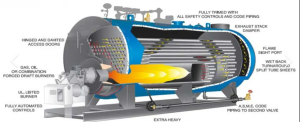
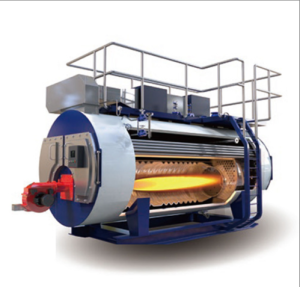
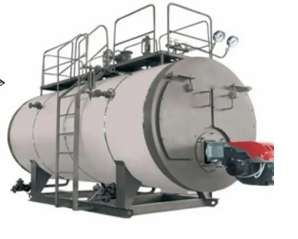
Industrial hot water boilers are constructed similarly to steam boilers but operate with water levels and steam space rather than being partially filled with water.

Burners fire into the boiler’s furnace and tubes to heat water inside the boiler shell. With the help of circulation pumps and piping, hot water is delivered to the process and then returned to the boiler for reheating. To prevent corrosion, any water loss must be replaced with chemically treated fresh water.

Additionally, boiler pressure vessels are typically horizontal, enclosed, insulated cylindrical tubes. Most industrial hot water boilers have two or three passes, each consisting of a unique piping system through which hot flue gases travel before turning inside the boiler.

Industrial Water Boiler Types

Let’s examine the available hot water boiler types in more detail.

1. High-Temperature Hot Water Boiler (HTHW)

These boilers operate at temperatures above 350°F with typical maximum working pressures below 300 PSIG. HTHW systems are ideal for large systems like district and campus heating due to their large size, high heat load capacity, and extensive piping networks. They’re also perfect for large process applications with high-temperature requirements that other boilers can’t meet.

2. Medium-Temperature Hot Water Boiler (MTHW)

These boilers operate between 250°F and 350°F with maximum working pressures of 150 PSIG. Systems using these boilers include campus and district energy loops, as well as apartment/hotel complexes and small processes.

3. Low-Temperature Hot Water Boiler (LTHW)

These systems provide temperatures below 250°F with maximum working pressures below 30 PSIG. LTHW boilers are often used in smaller structures including homes, where radiators distribute heat to various spaces.

Industrial Hot Water Boiler Advantages

As an industrialist, your primary goal is to improve boiler efficiency while reducing operating costs. Industrial hot water boilers deliver these benefits:

1. Lower Initial Equipment Costs

HTHW boilers have simpler designs and require fewer boiler room components, resulting in lower upfront investment costs. They’re also easier to install and maintain compared to other systems.

2. Reduced Operating Costs

HTHW boilers eliminate losses associated with steam boilers (steam traps, leaks, vents, and blowdown), helping lower ongoing operational expenses. They’re also less affected by temperature and pressure drops, resulting in additional operational savings.

3. Higher System Efficiency

HTHW systems efficiently handle high load spikes due to their large heat storage capacity. This means burners operate more evenly and effectively, resulting in higher overall system efficiency and reduced energy consumption.

4. Elevation Changes Don’t Affect System

Unlike steam systems, HTHW boilers use circulation pumps that overcome total system losses, making elevation differences largely irrelevant to system performance. This creates a more versatile and reliable heating solution.

Industrial Water Boiler Applications

Various industries use industrial commercial hot water boiler systems to simplify heating processes:

1. Sterilization

The high temperature of hot water efficiently destroys bacteria, making it ideal for sterilizing hard surfaces in:

  • Food processing facilities
  • General industry sections requiring facility, equipment, counter, and floor cleaning

2. Industrial Water Heating

Heated water is used in various industrial processes like mixing, curing, and cleaning, facilitating product manufacturing and maintaining sterile environments in:

  • Bottle cleaning facilities
  • Vehicle and truck washes
  • Construction sites
  • Gypsum plants
  • High-volume facilities like hotels and hospitals

Industrial Water Boiler Fuel Types

1. Gas

Due to its efficiency and cleanliness, gas is the most popular fuel for hot water boilers. It generates less waste than other “dirty” energy sources, making it the preferred boiler fuel.

2. Oil

Oil requires pumping into tanks or delivery by tanker truck, making it a more expensive option. It also needs regular maintenance and inspections as undiscovered leaks can cause significant damage.

3. Electricity

Electricity eliminates the need to store or handle fossil fuels and requires less maintenance than oil or gas systems, making it a popular hassle-free heating solution.

Industrial Water Boiler Lifespan

The typical lifespan of an industrial hot water boiler is 10-20 years, though this varies depending on maintenance and usage conditions.

Signs Your Boiler Needs Replacement

1. Water Leaks

Check for leaks from the unit’s bottom or pipe connections. Address any leaks promptly to prevent further damage.

2. Insufficient Hot Water

If your boiler struggles to meet your facility’s hot water demand, it might need replacement or upgrades.

3. Wear and Tear

While hot water boilers have few moving parts, significant wear might justify replacing them with energy-efficient tankless units that require less maintenance and offer long-term savings.

Difference Between Steam Boilers and Hot Water Boiler Systems

Steam boilers and hot water systems differ in several ways. Steam boilers are categorized by pressure (>15 PSIG or ≤15 PSIG), while hot water boilers are categorized by temperature (HTHW, MTHW, LTHW).

Hot water boilers operate at lower pressures than steam boilers and use circulation pumps rather than natural convection. They also have different applications: steam boilers are better for humidification, direct injection, and heat exchangers, while HTHW boilers excel at district and campus heating.

Hot Water Boiler Pricing

Industrial water boiler costs depend on size and features. A new 1000 kW hot water boiler with a 20-year warranty typically costs between $10,000 and $30,000. While the initial investment may seem significant, these boilers save money long-term through reduced repair and replacement costs.

Final costs vary based on size, features, and installation charges. Purchasing energy-efficient models that consume less fuel can qualify you for state government tax credits while lowering operational expenses.

Conclusion

Industrial water boilers offer unique features and benefits you won’t find in many other systems. With three boiler types to choose from, they deliver lower prices, reduced operating costs, higher energy efficiency, and pollution-free operation. When purchased from a reputable source, industrial water boilers offer long lifespans that can make your business more profitable and hassle-free.

Take this opportunity to enhance your business operations! Contact us today to begin your journey toward a greener, more efficient future with our cutting-edge industrial water boilers.

Industrial Electric Steam Boiler: The Complete Guide

Looking to move away from fossil fuel dependency and embrace cleaner, more sustainable solutions? Electric steam boilers are the way forward! Industrial electric steam boilers provide reliable, precise heating tailored to your specific requirements. These boilers offer everything from steam generation for electrical applications to process hot water supply. They deliver exceptional performance, energy savings, and minimal maintenance.

How Do Industrial Electric Steam Boilers Work?

Working Principle of Electric Boilers

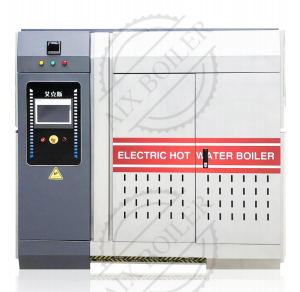
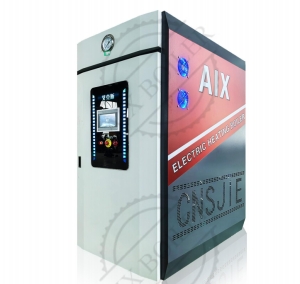
Industrial electric boilers, like other industrial boilers, are enclosed vessels used for heating water or generating steam for industrial purposes. The only difference is they use electricity instead of fossil fuels.

The main component of an industrial electric steam boiler is the transformer. These transformers are used to convert electrical energy into thermal energy. The water is then heated to 200°F and distributed through pipes throughout the building to provide heat. This heat is used for various processes such as sterilization equipment.

Simply put, industrial electric steam boilers use electricity to heat water. The process begins by converting electric current into high-pressure steam. Then, the heat generated by the steam will be used for your industrial processes.

What Are the Types of Industrial Electric Steam Boilers?

There are primarily two types of industrial electric steam boilers.

 Industrial Electric Steam Boiler

Electric steam boilers generate steam by heating water. This heat’s pressure ranges from a few psi to hundreds of psi, depending on the application. The temperature of this steam may vary based on pressure and the specific needs of the industrial process. They are typically used in industries requiring a steady steam source. Examples include food processing and chemical manufacturing.

Are Electric Boilers Worth It?

There’s no one-size-fits-all solution. However, you can know whether an industrial electric boiler is right for you. Let’s look at the pros and cons to conclude.

Advantages of Industrial Electric Steam Boilers

The main advantages of boilers are described below.

Efficient and Convenient

Industrial electric steam boilers are much more efficient than gas boilers in providing heating and hot water. Since they don’t use combustion, there’s no loss due to flue gases. As a result, you end up consuming less energy.

Zero Emissions

Unlike gas boilers, industrial electric steam boilers don’t emit any carbon dioxide. This makes them an excellent choice if you want to reduce environmental impact. However, note that the boiler’s electricity must come from renewable sources like wind or solar. Only in this case is your boiler truly zero-emission.

Quick Installation

Industrial electric steam boilers are simple to install because they don’t require venting or gas connections. Thus, no complex venting arrangements and flue systems are needed. This makes the installation process much simpler. Industrial electric boilers can be installed in a wider range of locations since they don’t rely on flues to exhaust combustion gases.

Future-Proof

The question “Are industrial electric steam boilers the future?” must be bothering you. Let’s discuss it. Over time, the need to reduce toxic gas release into the environment has grown. Plus, governments have been promoting renewable energy, even offering incentives. This clearly indicates one thing: industrial electric steam boilers have great potential in the future.

Disadvantages of Industrial Electric Steam Boilers

While industrial electric steam boilers have many advantages, they also have some drawbacks. Let’s look at them.

High Operating Costs

Another question you might want to ask is, “Are industrial electric boilers expensive to run?” Well, it’s undeniable that the cost per kilowatt-hour of electricity is higher than that of natural gas. However, it’s essential to note that the overall cost of running the boiler depends on various factors. In the long run, this includes the system’s energy efficiency and its operating costs.

Typically Shorter Warranty Period

Compared to gas boilers, electric boilers come with warranties of only 2 or 3 years. There are many reasons for this, such as fierce competition among electric boiler manufacturers against gas or thermal oil boilers. For now, though, industrial electric boilers offer lower warranty periods.

How Much Does an Industrial Electric Steam Boiler Cost?

Most people ask, “How much does an industrial electric steam boiler cost?” Let’s discuss the answer in detail. To determine its cost, you need to consider three expenses: the boiler’s initial cost and its operating costs.

Regarding the initial cost of an industrial electric steam boiler, it’s roughly comparable to gas boilers. However, operating costs differ significantly.

 Purchase Cost

An industrial steam boiler can cost between $2,000 and $11,000. High-end boilers can cost up to $60,000. However, many variables, such as size (capacity), brand, features, and installation, affect the cost. Let’s briefly discuss them.

Size

Your facility’s size will dictate the size of your boiler. Larger facilities will need larger electrical boilers as they require more electricity. Therefore, the boiler used for such a facility will also be bigger in size and capacity.

Features

The number of features a commercial electric steam boiler offers will affect the cost. Expensive variants come with extra features, including automatic error detection systems. This may lower maintenance expenses and prevent overheating.

Brand

A company’s reputation and brand should be considered when buying an industrial electric steam boiler. These factors reveal the quality of their output. Some companies have better reputations, meaning they produce superior, longer-lasting products.

Installation Costs

The installation cost depends on various factors.

Professional Installation

If you’re having your industrial electrical steam boiler installed by qualified professionals, be prepared to pay anywhere from $1,000 to $5,000. Their expertise ensures proper connections, electrical wiring, and adherence to safety regulations.

Installation Complexity

Complex installations may range from $2,000 to $10,000 or more, depending on the project’s requirements.

Integration with Existing Systems

Some adjustments will be required if you integrate the electrical boiler with existing systems. This will affect installation expenses. Integration costs can vary significantly, ranging from $2,000 to $20,000 or more.

Types

Currently, WDR electric boilers and LDR electric boilers are common types of commercial electric steam boilers.

Running Costs

The cost of operating an electric boiler might differ depending on various variables, including the boiler’s size, the property’s insulation, and local electricity prices. Due to electricity’s higher cost compared to natural gas, electric boilers are typically more expensive to run than gas boilers.

Operating an industrial electric boiler would cost roughly $670 per month when using 8 hours of heating daily for 30 days, assuming an average electrical boiler power output of 24 kW.

Industrial Electric Steam Generator Vs Gas Boiler

As you might assume, the cost of an industrial electric steam boiler is higher than that of a gas boiler. The boiler’s size, capacity, and electricity consumption determine the electric steam boiler price. However, their cost is lower than gas boilers in the long run because they need less maintenance and are energy efficient.

The main benefit of utilizing an industrial electric boiler and electric steam generator is that it can be used for heating in any season. For example, you can use them in very cold temperatures when no other heating method is safe or effective.

Verdict

An industrial electric steam boiler offers many advantages that make it a compelling choice. It provides efficient operation, emission-free performance, and low maintenance requirements. Moreover, it establishes itself as a reliable and eco-friendly option for industrial needs. The long-term benefits and energy savings offset the investment, while it may have a higher initial cost than gas boilers.

Additionally, the versatility of an industrial electric steam boiler allows it to be used in any season. This makes it a reliable heating solution, even in cold temperatures. Hence, the industrial electric steam boiler leaves other boilers behind and establishes itself as the superior option.

About Boiler Philippines

Boiler Philippines is a leading steam boiler manufacturer dedicated to providing the most economical steam boiler solutions with efficiency ratings of 85%+.

For more information, visit our website: www.boiler.ph

Our Boiler Products

Steam Boiler
Coal Fired Boiler
Biomass Steam Boiler
Thermal Oil Boiler
Vertical Boiler
Electric Steam Boiler
Hot Water Boiler

2025 Commercial Electric Boiler Information Guide

As an industrialist, decreasing boiler efficiency and rising energy costs have been your nightmare. Then there’s the greenhouse gas emissions issue making things worse. Well, not anymore! Commercial electric boilers are specifically designed to deliver better performance with lower environmental impact.

What Are Commercial Electric Boilers?

Commercial electric boilers, also called industrial electric steam boilers, are small heating systems. They use electricity to heat large houses, offices, and factories. They work similarly to conventional boilers that use gas or oil but use electricity instead. They heat water and circulate it around the building to provide heat, much like radiators heat a room.

The good news is they also help protect the environment. By using them, we can reduce pollution and help the planet. Plus, if they’re powered by clean energy like wind or solar, they’re even better for the Earth.

Commercial Electric Water Boilers

You might wonder when an electric boiler becomes a “commercial electric boiler.” There’s no fixed rule, but in the boiler world, any boiler with an output exceeding 50 kW is typically called a commercial boiler.

What’s important is that commercial electric water boilers use energy to create safe, clean hot water heating. This doesn’t involve burning anything, so there’s no risk of gas leaks, smoke, or carbon dioxide. Electric water heating technology has also improved, making water in heating systems heat up faster and stay warm consistently.

Are Commercial Electric Boilers Worth Buying?

In short, yes – commercial electric boilers and electric steam generators are worth purchasing.

There’s no question it’s worth it because it uses less power and has lower operating costs than gas appliances. This makes sense since electric boilers are typically more efficient than gas boilers. Because of their efficiency, they also have a lower carbon footprint.

6 Things You Should Know About Commercial Electric Boilers

To determine if these boilers are worth your money, let’s look at key points no one tells you about.

1. Electric Boiler Efficiency

Commercial electric boilers are considered 100% efficient. The conversion from BTUH or MBH to KW typically shows 100% efficiency in boiler manufacturer literature.

Though effective, 100% might be somewhat exaggerated. Even after insulation, some heat escapes to the surroundings. The boiler itself and metal components require some energy to heat up. However, 96% would be a fair number. Circulating boiler efficiency may vary by manufacturer but typically ranges between 95% to 97%.

2. Heating Element Size

Most commercial boilers use Incoloy 800 to cover heating elements. This material prevents damage from rust while remaining affordable.

Think of a heating element as a very hot surface surrounded by water. Chemicals in the water may stick to components and form coatings. On smaller, higher-power elements, this happens faster than on larger, lower-power elements.

Here we measure the power used compared to the element’s surface size – called “watt density.” For elements to work properly long-term, aim for no more than 75 watts per square inch. Some manufacturers recommend less, like 50 watts per square inch.

3. Space Requirements

Commercial electric boilers tend to be larger than the gas condensing boilers you might be used to. To ensure you have enough space for the boiler, take measurements early. Here are examples of boilers with 3 million BTU capacity:

Manufacturer Series Type Dimensions
Bryan Gas-fired FF-3000 35″ x 93″ x 75″
Elco Gas-fired BMK-3000 28″ x 68″ x 78″
Bryan Electric 900BH 59″ x 84″ x 82″
Cemline Electric VB200FTB900 60″ x 60″ x 91″

4. Element Control and Staging

Elements in electric boilers turn on and off gradually to maintain desired temperature – called stepped control. The controller should also modify the firing sequence of components to ensure equal wear. A good boiler specification should mention this staging control to help you make decisions.

5. Maintenance Requirements

You might think commercial electric boilers don’t need maintenance since there’s no burner. This isn’t true. Safety controls should be checked per manufacturer recommendations to ensure proper operation. Elements should be inspected regularly for damage. If the system uses water treatment, this should be maintained similarly to gas equipment systems.

6. Converting BTUH to KW for Boiler Sizing

Remember this simple math to convert boiler size from BTUH to KW:

  • To convert BTU to kW: multiply by 0.000293
  • To convert kW to BTU: multiply by 3414

Commercial Electric Boilers: Electricity Usage and Lifespan

Do Commercial Electric Boilers Use a Lot of Electricity?

Electricity is typically more expensive than natural gas. One reason is generation and distribution costs. Another is that most electric utilities are privately owned by large companies rather than government entities. A typical commercial gas boiler only needs 1-3 kWh/MBTU. However, commercial electric boilers average 4-8 kWh per million BTU (kWh/MBTU).

How Long Do Commercial Electric Boilers Last?

With proper maintenance, commercial electric boilers can last 15-20 years. However, their lifespan depends on water quality, maintenance frequency, and operating conditions. The heating elements typically need replacement every 5-10 years.

How Much Do Industrial Electric Steam Generators Cost?

The boiler size and whether it needs indoor or outdoor housing affect electric steam boiler prices. Small commercial electric boilers may cost between $1,500 to $3,000, while large ones can cost up to $10,000. These prices fall between gas and oil boilers.

While more expensive than gas and oil boilers initially, they offer advantages including quieter operation, better heat distribution, and requiring less maintenance.

Commercial Electric Boiler Manufacturers

When considering commercial electric boilers, making an informed decision is crucial. Manufacturer reliability and quality vary, affecting boiler lifespan and efficiency. Boiler Philippines stands out as an excellent choice known for pursuing excellence. Their boilers combine cutting-edge technology with careful engineering to ensure optimal performance and energy efficiency.

What truly sets them apart is their customer-focused approach. Boiler Philippines provides comprehensive assistance from initial selection to after-sales support. Their commitment to excellent service and top-tier products makes them a reliable partner for your heating needs.

Conclusion

Industrial electric boilers serve you in multiple ways. They provide needed efficiency along with zero emissions and little maintenance. However, it’s important to consider several factors and not believe everything manufacturers claim. For example, remember that commercial electric boilers require maintenance and their efficiency is less than 100%.

When purchasing boilers, it’s crucial to consider trustworthy manufacturers with honest claims. Contact us for the best commercial electric boilers and customer service. Don’t miss the opportunity to revolutionize your heating system – order your preferred boiler today!


Best Industrial Electric Steam Boiler Efficiency

Efficient Industrial Electric Steam Generators: Simplified Guide

Traditional boilers require significant maintenance yet fail to deliver optimal efficiency. Moreover, governments are discouraging the use of fossil fuels for heat generation. This is where efficient electric steam boilers come in – they’re not only easy to use and maintain but also environmentally friendly.

What Are Industrial Electric Steam Generators and How Do They Work?

Industrial Electric Steam Generator Definition

An industrial electric steam generator is a boiler that uses electricity to produce steam. Since it uses electricity instead of fossil fuels, it doesn’t produce toxic emissions, making it an eco-friendly solution.

How Industrial Electric Steam Generators Work

Industrial steam generators use thermal energy to heat water in an enclosed tank. The boiler uses electrical elements to generate energy, typically located inside the boiler. When powered, these elements heat the water, and the resulting steam has various applications including cooking, sterilization, and heating.

The water level in the boiler is monitored, with additional water added as needed to maintain a steady steam supply. This monitoring ensures the produced steam has proper temperature and pressure.

Types of Industrial Electric Steam Generators

  1. Resistance Boilers: These offer precise temperature control and can be equipped with advanced control systems to fine-tune steam production.
  2. Storage Boilers: These use off-peak electricity to heat water stored in insulated tanks, gradually releasing heat for a controlled supply.
  3. Electrode Boilers: These use electrodes to generate current and heat, offering excellent response times for immediate steam needs.
  4. Combined Heat and Power (CHP) Boilers: These use generators to provide both heat and electricity, ideal for facilities with high steam and power demands.
  5. Heat Pump Boilers: These use energy to run heat pumps that collect heat from air or ground to heat water, offering an energy-efficient solution.

Are Industrial Electric Steam Generators Worth It?

To answer this, let’s consider their advantages, efficiency, and power consumption.

Advantages of Industrial Electric Steam Generators

  • Low Maintenance: Fewer moving parts compared to traditional boilers, no fuel storage needed, and no soot or ash cleaning required.
  • Easy Installation: Require less installation work as no flue is needed (no combustion occurs inside).
  • High Efficiency: Energy efficiency approaches 98% with no heat loss from combustion processes.
  • Safety: No toxic pollutants emitted and can be shut down immediately in emergencies.
  • Compact Size: Ideal for space-constrained industrial environments.

Efficiency and Power Consumption

Industrial electric steam generators are highly efficient in converting water to steam, potentially reducing electricity costs. While other boilers lose 20%-60% of energy, industrial electric steam generators lose only about 10% in the process.

Power Consumption

Electricity usage varies greatly by size and application. Small units for business use may require 5-10 kW, while large industrial generators can use hundreds of MW. While electricity costs may be higher than oil/gas, the advantages (low maintenance, simple operation, no emissions) often offset the higher price.

How to Reduce Power Consumption

  1. Insulation: Proper boiler room insulation minimizes heat loss, increasing energy efficiency.
  2. Environmental Modifications: Optimize facility layout to ensure heat is delivered efficiently where needed.
  3. Boiler Regulation: Use systems that automatically adjust workload based on demand, reducing energy consumption.

Choosing the Right Industrial Electric Steam Generator

Key factors to consider:

  1. Efficiency: High-efficiency boilers reduce operating costs and energy consumption.
  2. Steam Requirements: Choose a boiler with capacity matching your specific needs.
  3. Space Requirements: Consider physical dimensions and maintenance access needs.
  4. Safety: Ensure the boiler meets all safety standards for your industry.

Industrial Electric Steam Generator Pricing

Boiler Size (kW) Cost (USD)
200 7,000 – 12,000
400 15,000 – 20,000
600 25,000 – 30,000
800 35,000 – 40,000
1000 44,000 – 50,000

Manufacturers

Costs can vary between manufacturers. Purchasing from a reputable boiler manufacturer is the best way to maximize your investment. Choosing one that specializes in boiler manufacturing is even better.

Installation

Installing these boilers requires experienced engineers to ensure design, installation, and operation safety. Therefore, it’s best to work with a reputable manufacturer.

Conclusion

Industrial electric steam generators could be your next purchase. While initially expensive, their low maintenance and high efficiency features demonstrate their value. Various options are available to match different requirements and budgets.

To maximize your investment, contact a reliable electric boiler manufacturer. Boiler Philippines offers some of the best electric steam boilers on the market. Contact our professionals today to get your ideal boiler at an affordable price!

Condensing Gas Boilers Explained – 2025 Guide

Your Next Industrial Condensing Gas Boiler | A Simple 2025 Guide

Have you been considering an industrial condensing gas boiler but can’t make up your mind? We’ve got you covered! Industrial condensing steam boilers are highly popular for their top-tier efficiency, significantly reducing energy costs and carbon footprints. However, there’s a lot to understand before making a decision.

In this article, you’ll find detailed information about industrial condensing gas boilers, including how they work, their efficiency, lifespan, and more. You’ll also learn about the best industrial condensing gas boilers to help you make an informed choice. Let’s dive in!

How Condensing Gas Boilers Work

The primary question is: How do industrial condensing gas boilers work, and how do you choose a condensing steam boiler? Condensing boilers utilize condensation technology to maximize heat efficiency. They burn fuel to generate heat, which is then transferred to radiators to provide system warmth.

Additionally, they produce fewer carbon monoxide and nitrogen oxide emissions, reducing factory pollution.

The standout feature of condensing boilers is their ability to capture heat from exhaust gases produced during combustion. They have an extended heat exchange surface, converting more heat from the burner into usable energy.

Once water circulates in the central system, this energy is reused to heat water, reducing the energy required to start the heating process. This demonstrates how industrial condensing gas boilers achieve higher efficiency while using less energy for the same output.

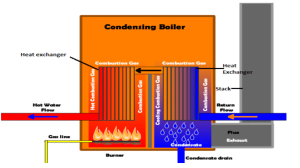
Condensing Boiler Diagram

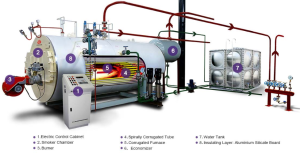
The diagram below illustrates the components of a typical condensing boiler and their functions. The heat exchanger heats water while cooling exhaust gases from fuel combustion.

Outdoor pipes expel these gases (also called flue gases). The latent heat energy in the gases is released during cooling via condensation. The boiler then uses this thermal energy to continue powering the central heating system.

Pros and Cons of Condensing Boilers

Industrial condensing gas boilers offer advantages like reduced carbon footprints and higher efficiency, but they also have drawbacks. Let’s compare their pros and cons to determine if they’re worth the investment.

Advantages of Condensing Boilers

  1. Latent Heat Recovery
    This improves thermal efficiency, the primary advantage of condensing boilers. The moisture content in boiler fuel is around 50%. During condensation, the heat exchanger recovers latent heat from this moisture, achieving efficiencies exceeding 100% compared to the fuel’s lower calorific value.
  2. Reduced Emissions
    Condensing boilers use flue gas condensers to lower emissions. Condensation forms a layer that traps large particles like sulfates and chlorides, reducing harmful emissions, including CO₂ and nitrogen oxides. Installing a condensing boiler can cut carbon footprints by up to 1,200 kg.
  3. Lower Energy Costs
    To prevent heat loss, condensing boilers preheat cold water before it enters the system. This maximizes efficiency, allowing the boiler to use less fuel and reduce costs compared to other industrial gas boilers.
  4. Space Savings
    Condensing boilers don’t require hot water tanks, making them easier to install in tight spaces—ideal for limited boiler rooms.

Disadvantages of Condensing Boilers

  1. Higher Maintenance Costs
    Condensing boilers are more complex and require professionals with gas safety certifications, increasing costs. Non-condensing boilers are cheaper to repair short-term, but condensing boilers save money long-term.
  2. Corrosion Risks
    Combustion byproducts can cause corrosion, especially under mechanical strain, leading to cracks in low-temperature steel heat exchangers. Using corrosion-resistant materials, careful installation, and advanced controls can mitigate this.
  3. Complexity
    In cold weather, external pipes may freeze, causing the boiler to stop working. Acidic condensate can also cause corrosion, but proper maintenance can minimize these risks.

Condensing Boiler vs. Combi Boiler: Are They the Same?

A common question is: Are condensing boilers and combi boilers the same? The short answer is no. Condensing boilers refer to the technology used to improve efficiency, while combi (or combination) boilers don’t require storage tanks.

Interestingly, a condensing boiler is required for a combi boiler installation, but not all condensing boilers are combi boilers—they can also be conventional or system boilers.

Condensing vs. Non-Condensing Boilers

Industrial condensing gas boilers are far more efficient than non-condensing models. Modern condensing boilers achieve efficiencies of 90% or higher, while non-condensing boilers max out at 70–80%.

Condensing boilers use flue gas recovery systems to preheat incoming cold water with waste heat, reducing fuel consumption for the same output. This makes them not only more efficient but also more eco-friendly.

Feature Condensing Boiler Non-Condensing Boiler
Annual CO₂ Emissions 5.2 tons 7.95 tons
Cost Efficiency Higher upfront cost, long-term savings Lower upfront cost, less efficient long-term
Combustion Temperature 50–60°C 120–180°C

Industrial Condensing Gas Boiler Efficiency

Condensing boiler efficiency is measured by Annual Fuel Utilization Efficiency (AFUE). A 90% AFUE means 10% energy loss, with 90% converted into usable heat. Higher AFUE ratings mean greater savings.

On average, industrial condensing gas boilers are 12% more efficient than non-condensing models. They recover 30% of heat that non-condensing boilers waste, boosting efficiency to 99% with flue gas heat recovery systems.

Do You Need a Hot Water Tank with a Condensing Boiler?

In short, no—condensing boilers don’t require hot water tanks. However, the answer depends on the boiler type:

  • Combi boilers don’t need tanks.
  • System or heat-only boilers may require them.

Combi boilers heat water on demand, while system or heat-only boilers store hot water in tanks.

Is Installing an Industrial Condensing Gas Boiler Complicated?

Installation isn’t overly complex. The main difference from non-condensing boilers is the need for condensate drainage. A skilled installer can easily position a drain and install a plastic overflow pipe.

Best Condensing Boilers

Pricing

  • 4 tons/hour steam output: $500–$7,000
  • 60 tons/hour steam output: $6,000–$30,000
  • Higher-capacity models: Up to $100,000+

Top Industrial Condensing Boiler Specifications

Here’s a standout condensing steam boiler:

  • Horizontal integrated design saves space.
  • Larger chamber heats faster with less energy.
  • Threaded flue pipes and corrugated furnace threads enhance heat transfer and fuel efficiency.
  • Safety features like explosion-proof doors ensure continuous safety.

Final Verdict

Industrial condensing gas boilers are in high demand due to their efficiency and reduced carbon footprint. They also lower energy costs and save space. However, drawbacks like corrosion exist.

The good news? These can be mitigated with careful purchasing and timely maintenance. For the best deals, buy from reputable suppliers like Boiler Philippines, offering affordable prices and post-installation support.

About Boiler Philippines

We are a leading steam boiler manufacturer with decades of experience in delivering top-tier boiler systems. Our oil/gas boilers achieve 98% efficiency, while coal/biomass models reach 85%. We’re committed to providing the most economical steam boiler solutions.

Our Products

  • Steam boilers
  • Coal-fired boilers
  • Biomass steam boilers
  • Thermal oil boilers
  • Vertical boilers

For inquiries, visit www.boiler.ph.

The Complete Guide to Wood Boiler Systems: Efficient & Cost-Effective Solutions

As an industrial professional, you know the market is flooded with thousands of high-efficiency boilers. However, many are either too expensive or emit harmful gases. This comprehensive guide explores why wood-fired boiler systems present an affordable, efficient alternative for industrial applications.

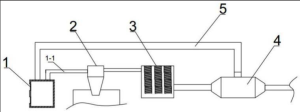
System Overview

Key Components:

Boiler
Cyclone Dust Remover
Water Softener
Water Tank
Water Separating Header
Feed Water Pump
Decoxygenation Pump
Chimney
Energy-Saving Pump
Economizer
Deaerator

Wood Boiler Systems: Definition and Operation

A wood-fired boiler system is a heating device that converts renewable wood fuel into thermal energy. Utilizing advanced combustion technology and control systems, it efficiently transfers heat from burning wood to water. Key components include the combustion chamber, chimney, control furnace, and automated systems that ensure both high efficiency and operational safety.

How Wood Boiler Systems Work

The process begins by loading wood into the combustion chamber and igniting it. The generated heat transfers to water through a heat exchanger. This heated water circulates through pipes to radiators and heating plates, then returns for reuse after cooling. For optimal performance, water must be free of impurities like metals. The system typically provides heat ranging from 1300°C to 1900°C.

System Structure

1. Combustion Chamber

The heart of the system where fuel (wood, coal, rice husks, etc.) burns. Design flexibility allows customization for different fuel types and operational requirements.

2. Radiation Heat Collector

Constructed from cast steel pipes to capture and utilize heat emitted during furnace operation.

3. Ash Handling System

Integrated screw mechanisms ensure efficient ash and slag removal, maximizing energy efficiency.

4. Furnace Body

Features multiple pass systems (1-3) with various pipe configurations managing steam valves, safety components, and control signals.

5. Dust Removal System

Essential for environmental protection and energy conservation by removing particulate matter.

6. Dust Suppression Tank

Uses water sprays to neutralize collected dust, ensuring cleaner emissions.

Types of Wood Boiler Systems

Log Boilers

  • Most affordable option
  • Compact and user-friendly design
  • Up to 85% efficiency

Pellet Boilers

  • Highest efficiency (up to 95%)
  • Quiet operation with automatic feeding
  • Longest lifespan among wood boilers

Chip Boilers

  • Up to 90% efficiency
  • Convenient silo storage system
  • Similar functionality to pellet boilers

Key Technologies

Push-Fire Technology

Adaptable to various wood shapes, sizes, and moisture levels, making it ideal for handling diverse fuel qualities.

Fluidized Bed Technology with Smoke Circulation

Offers exceptional flexibility with temperature regulation capabilities and stable operation across different fuel types.

Fuel Selection Guide

Hardwoods (Recommended)

Oak, beech, ash, walnut, and fruit trees provide slow, consistent burns ideal for industrial applications.

Softwoods

Fir, spruce, and pine offer quick heat but require careful storage and management due to faster degradation.

Important Note on Wood Moisture

Never burn wet (“green”) wood. It reduces energy output by 50%, increases environmental impact, and accelerates equipment deterioration. Always use properly seasoned wood for optimal performance.

Four-Step Operational Guide

1. Professional Installation

Proper sizing and expert installation ensure optimal system performance from the start.

2. Fuel Preparation

Use dry, properly sized wood. Consult experts for storage best practices to maximize fuel efficiency.

3. Daily Operation

Monitor boiler at least twice daily. Refuel as needed based on thermostat signals and water circulation patterns.

4. Maintenance

Critical for longevity and efficiency:

  • Regular ash removal with provided tools
  • Heat exchanger cleaning (simplified in modern designs)
  • Annual professional inspections and adjustments

Efficiency Factors

Wood boilers can achieve up to 90% efficiency when:

  • Using quality hardwoods
  • Maintaining proper moisture content (below 20%)
  • Operating at optimal temperatures
  • Following regular maintenance schedules
  • Implementing automated feeding systems

System Longevity

With proper care, wood boiler systems can last up to 20 years. Key preservation practices include:

  • Exclusive use of seasoned dry wood
  • Regular firebox cleaning to prevent soot buildup
  • Periodic inspections for leaks or cracks
  • Annual professional servicing

Comparative Analysis: Wood vs. Electric Boilers

Wood Boiler Advantages:

  • Lower operational costs
  • Renewable fuel source
  • Higher energy independence

Electric Boiler Advantages:

  • Cleaner operation
  • Advanced control systems
  • Simpler safety profile

Conclusion

Wood-fired boiler systems offer industries an efficient, eco-friendly, and cost-effective heating solution. Achieving optimal performance requires proper fuel selection, regular maintenance, and professional installation. When selecting equipment, always choose reputable manufacturers to ensure quality and reliability.

For premium wood boiler systems backed by decades of engineering expertise, trust Boiler Philippines. Our solutions combine exceptional efficiency with unmatched reliability to meet your industrial heating needs.

Learn more at www.boiler.ph

Wood-Fired Steam Generators: A Sustainable Solution for Industrial Applications

Introduction

In this modern era, scientists are exploring sustainable energy sources that do not harm the environment. While many modern solutions, such as electricity, have proven helpful, traditional methods like burning wood for heat remain highly effective. Wood-fired steam generators are an excellent eco-friendly way to produce steam, making them a valuable option for industrial applications.

But the question remains: Are these wood-fired steam boilers truly useful? Let’s explore everything you need to know about wood-fired boilers in this guide.

What Is a Wood-Fired Steam Generator?

A wood-fired steam generator is a system that converts boiling water into steam. It is commonly used in industrial applications, ranging from small-scale projects to large-scale production.

The steam generator consists of a combustion chamber where the fuel—in this case, wood—is burned. This system can also operate using other fuels such as natural gas, oil, coal, or biomass.

To ignite the steam generator, you’ll need wood logs or pellets. Typically, the generator features a removable grate for easy wood loading, though the design may vary depending on the boiler’s size and brand.

Are Wood-Fired Steam Generators Suitable for Industrial Applications?

Yes, wood-fired steam generators are well-suited for industrial applications. They come in various sizes, with smaller units being standard for commercial and industrial use, while larger operations may require more powerful generators.

These systems are not limited to steam production; they can also generate hot water, depending on their capacity. Here are some common industrial applications:

  • Sterilization
  • Distillation
  • Disinfection
  • Production

Modern industrial wood-fired boilers offer advanced features, including compatibility with multiple fuel types such as biomass or coal. They also incorporate technologies like radiators, which enhance overall efficiency.

Components of a Wood-Fired Steam Generator

The effectiveness of wood-fired steam generators lies in their robust construction. Here are the key components and their functions:

1. Furnace

The furnace is responsible for burning wood and generating steam. It includes a wood storage unit for fuel.

2. Pellet Boiler Storage Tank

This tank stores steam or hot water for future use, making the generator cost-effective by optimizing industrial operations.

3. Cyclone Dust Remover

An automatic dust collector keeps the workspace clean by removing debris and preventing health issues.

4. Flue Gas Extractor

This component channels flue gases away from the system, maintaining optimal furnace temperature and operation.

5. Forced Draft Fan

The fan ensures a clean environment by generating mechanical air pressure for handling wood chips or pellets.

6. Water Treatment

This system removes harmful substances that could cause corrosion or foaming, prolonging the boiler’s lifespan.

7. Chimney

Essential for ventilation, the chimney releases toxic gases, ensuring a healthy work environment.

8. Grate Reducer

This component assists in fuel combustion by regulating airflow.

9. Ash Conveyor

The conveyor transports ash to a separate unit, minimizing physical hazards for workers.

10. Automated Control System (ACS)

Modern generators require minimal human intervention. The ACS optimizes performance, ensuring all components work seamlessly.

11. Additional Components

Auxiliary devices like dust removers, self-cleaners, FD/ID fans, valves, and economizers further enhance efficiency.

System Diagram

Equipment Names:

  • Boiler
  • Water Tank
  • Decoxygenation Pump
  • Economizer
  • Cyclone Dust Remover
  • Water Separating Header
  • Chimney
  • Deaerator
  • Water Softener
  • Feed Water Pump
  • Energy-Saving Pump

Benefits of Wood-Fired Steam Generators

1. Energy Efficiency

Wood-fired boilers can achieve over 80% efficiency under optimal conditions, rivaling other steam generators.

2. Low Maintenance Costs

With self-cleaning components, these systems require minimal upkeep. Routine checks every two months are recommended.

3. Durability and Reliability

Using renewable wood as fuel, these generators are long-lasting and environmentally friendly.

4. Cost-Effective Energy

Wood is cheaper than alternatives like natural gas, making these boilers an affordable choice.

5. Safety Features

Protective coatings and efficient valves ensure operator safety and smooth adjustments.

Factors to Consider When Purchasing

1. Size

Smaller units are easier to install, while larger systems may require more manpower. Choose based on your industrial needs.

2. Auxiliary Parts and Spare Parts

Opt for reputable manufacturers like Boiler Philippines to ensure quality components and warranties.

3. Energy Efficiency

Select a generator with the right design and components to maximize efficiency (up to 86%).

4. Installation and Maintenance

Professional installation and reliable customer support are crucial for long-term performance.

5. Safety Standards

Prioritize boilers with protective features and fail-safe mechanisms.

Conclusion

The first step in choosing the right wood-fired steam generator is understanding your industrial requirements and budget. For a reliable solution, look no further than Boiler Philippines. We offer high-efficiency wood-fired steam generators in various sizes at competitive prices, along with exceptional customer support.

For more information, visit Boiler Philippines.