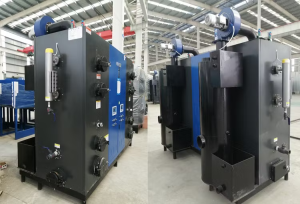
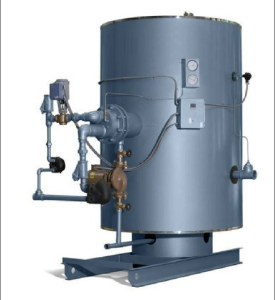
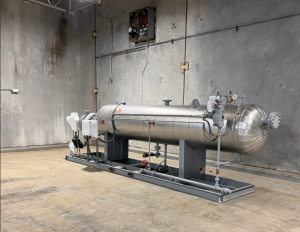
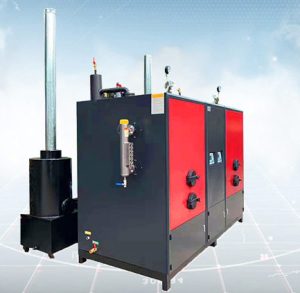
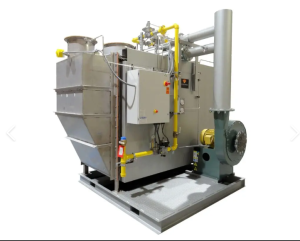
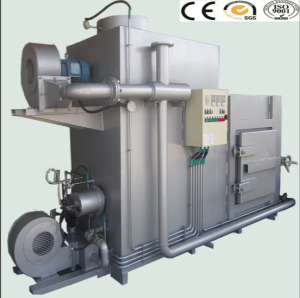
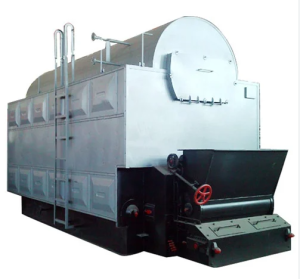
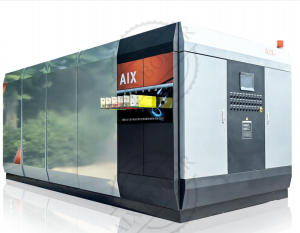
Wood Pellet Steam Generators: The Smart Choice for Modern Industries

5 Compelling Reasons to Choose Wood Pellet Steam Generators for Industrial Applications

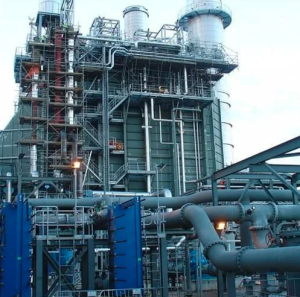
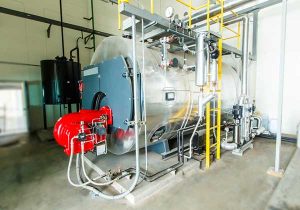
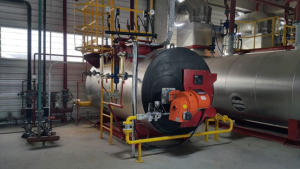
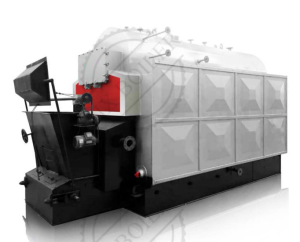
Wood pellet steam generators are gaining significant popularity in industrial sectors due to their cost-effectiveness, high efficiency, and low maintenance requirements. These systems represent one of the most practical solutions in their category for various industrial steam needs.

How Wood Pellet Steam Genzerators Work

These systems utilize wood-based fuels as their primary energy source. While pellets are common, generators can also process wood chips, corn cobs, bamboo sticks, rice husks, and various wood residues. The operational process follows these steps:

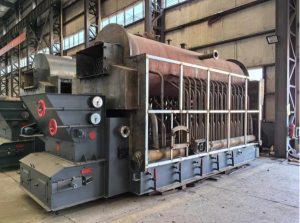
  1. Wood fuel is fed through an automated pellet belt feeder
  2. Material passes over a chain grate surface
  3. The combustion process ignites the wood, generating energy
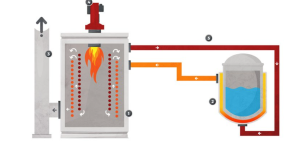
  4. Heat transfers to water in the boiler drum, producing steam or hot water

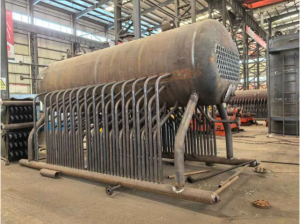
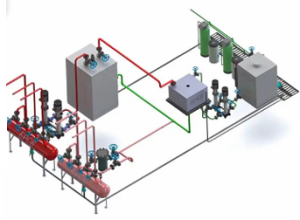
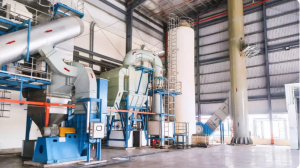
The system incorporates several specialized components to ensure smooth operation, including automatic feeders, slag removers for waste management, cooling fans, and an extensive piping network for efficient heat transfer.

Types of Wood Pellet Steam Generators

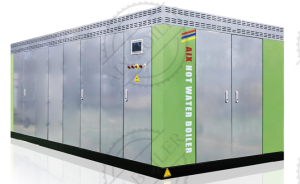
1. Hot Water Output Systems

These units function similarly to wood-fired hot water boilers, with adjacent furnace and chamber designs. Operators can set precise temperature parameters, typically operating between 0.4 to 1.25 MPa pressure ranges.

2. Thermal Oil Systems

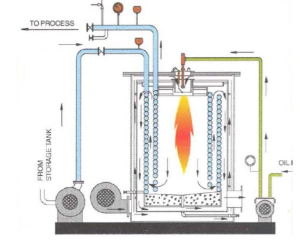
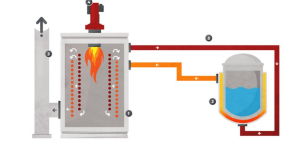
The most common industrial variant, these generators use conduction oils with circulating pumps to produce consistent thermal oil output. Key advantages include stable processing temperatures and oil recycling capabilities that enhance fuel efficiency.

3. Steam Generation Systems

Designed for commercial and industrial applications, these units convert wood combustion into high-pressure steam. Industrial models accommodate both indoor and outdoor installations, with operating temperatures ranging from 35°F to 350°F and pressure capacities between 0.4 MPa and 3.82 MPa. High-capacity models can produce over 50 tons of steam per hour.

z

Top 5 Advantages of Wood Pellet Steam Generators

1. Intelligent System Design

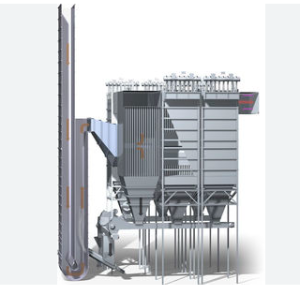
Modern generators incorporate optimized component configurations for maximum efficiency, including automatic dust removal systems that maintain clean work environments and ensure operator safety.

2. Significant Cost Savings

Wood pellet systems offer substantial long-term savings compared to gas or fuel-powered alternatives, with the added flexibility to utilize various wood byproducts beyond just pellets.

3. High Thermal Capacity

Capable of maintaining temperatures up to 350°F with adjustable output settings, these systems suit operations of all scales while maintaining excellent pressure tolerance.

4. Reduced Maintenance Needs

Integrated components like ID fans and automatic slag removers minimize manual intervention while preventing contamination of operational processes, extending equipment lifespan.

5. Energy Efficiency and Fuel Flexibility

With typical efficiency ratings above 80%, these systems often support multiple biomass fuel sources, enhancing operational versatility across different applications.

Key Selection Criteria for Industrial Buyers

1. Automation Level

Modern automated systems handle loading, adjustment, and discharge processes independently, improving safety and reducing labor requirements while maintaining consistent output quality.

2. Efficiency Considerations

While average efficiency exceeds 80%, actual performance depends on:

  • Unit design and model specifications
  • Quality of auxiliary components
  • Automation implementation
  • Thermal capacity utilization

3. Component Quality

Durable construction using reinforced steel plates, tubes, and drums ensures reliable performance under high-temperature conditions, while proper auxiliary systems maintain clean operations.

4. Warranty Coverage

Comprehensive warranty packages (up to 5 years for premium models) indicate manufacturer confidence and provide long-term protection for your investment.

5. Capacity Requirements

Accurate assessment of current and future steam needs ensures proper system sizing, preventing operational limitations as production demands evolve.

Pricing Overview

Wood pellet steam generator costs vary based on several factors:

  • Automation: Advanced control systems increase initial cost but reduce labor expenses
  • Components: Additional features like dust collectors add $1,500-$10,000
  • Capacity: Systems range from 70 kW to 700 kW output
  • Installation: Some manufacturers include setup in base pricing
  • Multi-fuel: Biomass-compatible models command premium pricing

Price ranges:
Industrial systems: $20,000 – $150,000
Commercial/residential units: $2,000 – $12,000

Purchasing Recommendations

When selecting a wood pellet steam generator:

  1. Evaluate both current and anticipated future requirements
  2. Compare specifications and pricing across multiple manufacturers
  3. Prioritize direct-from-factory purchases to eliminate middleman markups
  4. Verify warranty terms and after-sales support availability

Conclusion

Wood pellet steam generators offer industrial operations an efficient, cost-effective solution for steam generation needs. With proper selection and maintenance, these systems deliver reliable performance across various applications while providing significant operational savings.

For premium-quality wood pellet steam generators with comprehensive support services, consider Boiler Philippines as your trusted equipment provider.

About Boiler Philippines

As a leading steam boiler manufacturer, Boiler Philippines delivers high-efficiency solutions for industrial applications. Our product lineup includes:

Steam Boilers
Thermal Oil Systems
Biomass Boilers
Hot Water Generators
Industrial Steam Plants

For more information, visit: http://www.boiler.ph


The Operator’s Guide to Wood-Fired Boiler Efficiency & Performance

Ultimate Guide to Wood-Fired Steam Boiler Efficiency

Wood-fired steam boilers have become a standard for industrial applications. They offer numerous advantages, such as affordable and renewable energy. Additionally, their ease of installation and operation makes them accessible to small and emerging industries. But the question remains: Are these boilers efficient? Many assume that wood-fired generators might be inefficient due to their lower cost, but this isn’t necessarily true. This guide will help you understand the efficiency of wood-fired steam boilers.

What Does Boiler Efficiency Mean?

Let’s start with the basics. Boiler efficiency measures how effectively the system converts input energy into output. It defines the transformation of fuel into heat, steam, or warm oil. The better the boiler performs, the higher its efficiency.

What Makes a Boiler Efficient?

An efficient boiler is one that uses minimal input to produce optimal output. However, efficiency depends on several factors:

  • Design: Poor design can lead to longer transfer times between components and wasted fuel.z
  • Fuel Type: The type of fuel used impacts overall efficiency.
  • Operation: How the boiler is operated also plays a role.

How to Calculate Boiler Efficiency

You can determine boiler efficiency using the following formula:

Boiler Efficiency (%) = (Heat Output / Heat Input) × 100

Most boilers come with chimneys to support continuous evaporation. The evaporation ratio is another critical factor:

Evaporation Ratio = Steam Output / Fuel Input

For a more scientific approach, use this formula:

Boiler Efficiency (%) = [Q × (H – h) / (q × GCV)] × 100

  • Q = Heat output
  • H – h = Steam enthalpy – Water enthalpy (measured in kcal/kg)
  • GCV = Gross Calorific Value

Why Is Wood-Fired Steam Boiler Efficiency Important?

1. Energy Efficiency

Inefficient boilers require more fuel input for unsatisfactory output, leading to higher fuel costs. Efficient generators maximize output from the given input.

2. Cost Reduction

Inefficient boilers need more maintenance due to component wear and tear. Efficient systems, with streamlined designs, require minimal repairs and upkeep.

3. Environmental Impact

Inefficient systems emit more harmful gases, increasing their carbon footprint and harming the environment.

How Efficient Are Wood-Fired Steam Boilers?

Efficiency depends on several factors:

  • Fuel type (wood chips, pellets, scraps, etc.)
  • System design
  • Quality of auxiliary components
  • Reliability of main parts
  • Compliance with industry regulations

Under poor conditions, wood-fired boilers may operate below 50% efficiency. However, with proper handling, they can achieve up to 90% efficiency. Well-designed steam generators typically offer 80-86% efficiency, but regular maintenance is crucial for optimal performance.

How to Improve Wood-Fired Steam Boiler Efficiency

1. Use High-Quality Auxiliary Components

Upgrading auxiliary parts, such as dust collection bags or automated control panels, can enhance efficiency.

2. Keep the Boiler Clean

Regular manual cleaning ensures cleaner steam output and reduces component wear.

3. Install ID/FD Fans

These fans improve airflow, optimizing conversion rates and preventing overheating.

4. Insulate Valves

Uninsulated valves lead to heat loss and uncomfortable working conditions. Proper insulation is essential.

5. Schedule Regular Inspections

Professional inspections help identify and fix issues before they affect efficiency.

With proper care, wood-fired boiler efficiency can improve by 6-10%, potentially reaching up to 90%.

Heat Loss and Its Impact on Efficiency

Causes of Heat Loss:

  • Poorly insulated components
  • Inefficient chambers or furnaces
  • Overheating due to inadequate cooling

Effects of Heat Loss:

  • Reduced output
  • Unworkable environments due to high temperatures
  • Component damage and system failures

How to Minimize Heat Loss:

  • Insulate valves and pipes.
  • Ensure fans and cooling systems are functional.
  • Avoid overloading the boiler.
  • Use auxiliary cooling devices.
  • Conduct regular system checks.

Key Notes About Wood-Fired Steam Boiler Efficiency

  • Efficiency testing standards vary (e.g., U.S. vs. EU methods).
  • Wood pellet boilers are generally more efficient than wood chip boilers.
  • Claims of 99% efficiency are unrealistic due to unavoidable heat loss.
  • Test methods for efficiency calculations may not always be accurate.
  • Lower Heating Value (LHV) and Higher Heating Value (HHV) yield different efficiency results.

Choosing an Efficient Wood-Fired Steam Boiler

Investing in a high-quality boiler from a reliable manufacturer is the best way to ensure efficiency. Boiler Philippines offers a range of high-performance steam boilers, including wood-fired models, designed for industrial applications.

For more details, visit: http://www.boiler.ph

Conclusion

This guide covers everything you need to know about wood-fired steam boiler efficiency, from calculations to improvement tips. Regular maintenance and professional inspections are key to sustaining high performance. For the best results, choose a trusted supplier like Boiler Philippines to maximize fuel savings, optimize output, and minimize future issues.

About Us

Boiler Philippines is a leading steam boiler manufacturer with decades of experience in delivering high-efficiency solutions. Our oil/gas boilers achieve up to 98% efficiency, while coal/biomass boilers reach 85%. We are committed to providing cost-effective and reliable steam boiler systems for industrial applications.

Our Products:

Steam Boilers
Coal-Fired Boilers
Biomass Steam Boilers
Thermal Oil Boilers
Vertical Boilers

For inquiries, visit: http://www.boiler.ph

One-Stop Guide to Small Wood-Fired Steam Boilers

The boiler industry offers a wide array of choices, each utilizing different energy sources. While not every boiler is as cost-effective as a wood-fired boiler, the latter has become increasingly popular, especially for industrial and commercial purposes. The question remains: Why are small wood-fired steam boilers so well-received? The short answer lies in their affordable energy utilization. But that’s not all. Let’s delve deeper into this specific boiler type. After reading this guide, you’ll have a comprehensive understanding of the system. So, let’s get started!

What is a Small Wood-Fired Steam Boiler?

You may have noticed the use of the word “small” in wood-fired steam boilers. This is because small sizes are typically the standard choice for commercial and industrial settings. These boilers primarily use wood as their power source, with inputs such as wood chips, pellets, raw wood, or wood offcuts. However, it’s important to note that these boilers don’t necessarily have to rely solely on wood; they can also utilize other energy sources like coal and natural gas. In fact, most industries prefer systems that offer multiple energy options, as it enhances flexibility, convenience, and cost-effectiveness.
Efficiency

Another common question concerns the efficiency of wood-fired boilers. Typically, these systems can achieve up to 90% efficiency. However, this rate depends on factors such as boiler design, additives, additive quality, and heat loss. Many inexperienced individuals mistakenly equate boiler efficiency with combustion efficiency. The latter only defines the efficiency of a single process. Wood steam boiler efficiency, on the other hand, measures everything from input to output. This is why combustion efficiency can reach as high as 99%, while the system’s overall rate may be affected by other input-related operations.

History and Evolution

Boilers underwent revolutionary changes in the 1900s, with most modern fossil fuel sources discovered during that century, including coal, oil, and wood. Wood-fired boilers gained prominence in the 1970s, thanks to Professor Richard Hill, often hailed as the mastermind behind wood-fired boilers. His model featured an independent fan, secondary air unit, and water-based heat storage device, along with two combustion stages to enhance efficiency. Since then, multi-fuel wood boilers have become prevalent, utilizing both wood and oil in their heating chambers. The 1980s witnessed the rise of ingeniously designed wood-fired boilers. Today, these systems incorporate advanced technologies in their design and auxiliary equipment to maximize efficiency.
Components and Auxiliary Equipment of Small Wood-Fired Steam Boilers

The composition and design of small wood-fired steam boilers may vary depending on the manufacturer, input and output capacity, and energy compatibility. However, certain components and auxiliary equipment are common across all wood-fired generators. Let’s take a closer look at them and their functions:

1. Fans

Fans play an indispensable role in boilers. They provide the necessary air pressure and cooling functions within the system. Typically, generators require a certain amount of air pressure to operate, which is where forced draft fans come into play. They are usually installed as a single unit in wood-fired boilers, generating mechanical air pressure to maintain the environment. Additionally, induced draft fans provide negative air pressure by evacuating system space through combustion output absorption. Lastly, auxiliary fans, though optional, are highly recommended for wood-fired boilers, extending the functionality of induced draft fans by maintaining a viable environment.

2. Combustion Chamber

The combustion chamber is the core component of a wood-fired boiler. Constructed from fire-resistant bricks, it houses the intense flame that burns the input wood chips, pellets, or leftovers. However, you can always control this chamber, adjusting the temperature according to the boiler’s range.

3. Grate

The grate is arguably the most understated component of a wood-fired boiler system. It serves as the platform for igniting the input wood. In essence, it keeps the flame contained within the combustion chamber. Typically made of cast iron, grates can withstand high temperatures.

4. Economizer

An economizer can be a primary or additional component, but it’s something you should consider installing in your boiler. Why? Because it directly enhances system efficiency by recovering heat that would otherwise be wasted through heat loss. It utilizes this heat during boiler operation to maintain the recommended temperature.

5. Discharge Machine

After obtaining the desired output, you’ll need assistance in removing it from the system. This is where the discharge machine comes into play. It helps unload the combustion products into your storage unit, ensuring optimal output without waste.

6. Deslagging Agent

Wood-fired boilers can operate at very high temperatures, leaving behind some burnt slag in the system. A deslagging agent is the device for this task. It effectively removes boiler by-products and features a pre-installed water-cooling system to prevent damage from hot slag.

7. Steam Header

The steam header is essentially a set of pipes that help expel unwanted steam from the system. Otherwise, it could damage the boiler and affect its operation. These pipes feature an efficient design and a durable reinforced steel body.

8. Dust Bag

Dust bags are an excellent alternative to manual cleaning. They collect all unwanted particles from the system, keeping your boiler in a filtered state and preventing dust from reducing efficiency.

9. Chimney

Chimneys play an environmental role in boilers. They eliminate all combustion flue gases without affecting your work environment. Also known as steel bags, they release these gases at heights that do not pollute the atmosphere. Chimneys are highly recommended components to ensure the safety of boiler operators.

Can You Obtain Spare Parts for Small Wood-Fired Steam Boilers?

Small wood-fired steam boilers are more prominent than ever in today’s industrial and manufacturing sectors. Much of this credit goes to their convenience. Their maintenance and repair are easier compared to large wood-fired boiler systems. So, can you obtain spare parts for these boilers? The short answer is yes. However, you must consider the following factors:
Compatible Spare Parts

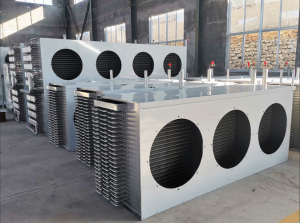
Remember, not every boiler component is replaceable. Moreover, manufacturers do not carry every part of the system. Nevertheless, some common spare parts are readily available in the market, including safety valves, pressure gauges, blowdown valves, shut-off valves, three-way cocks, check valves, water level sensors, grates, and pipes.

Manufacturers and Their Policies

Many manufacturers do not provide spare parts; they mention this in their policy documents, manuals, etc. However, many other companies, such as Boiler Philippines, offer free spare parts as long as your system is under warranty. Afterward, they may charge you for the components. Alternatively, many manufacturers’ warranties do not cover spare parts, meaning you must purchase them directly. Otherwise, opt for a reliable third-party seller with quality auxiliary tools.

Maintenance of Small Wood-Fired Steam Boilers

Assuming you’ve purchased a small wood-fired steam boiler, how will you maintain it? This can be challenging, especially for beginners. However, maintenance is relatively straightforward. Here’s what you need to do:
1. Regular Inspections

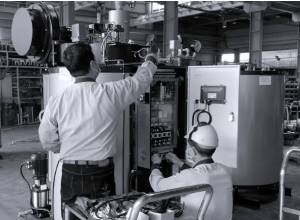
Your system requires frequent inspections to avoid larger issues. Regular inspections are strongly recommended to prevent additional expenses. Many believe professional inspections are necessary, but that’s not the case. All you need to do is ensure the system operates efficiently. Monitor its liquid level, working temperature, and efficiency through sensors and testers. You should also look for gas leaks and heat loss, checking components such as the combustion chamber, pipes, chimney, and gaskets.

2. Cleaning

Even if your system has cleaning components like dust collectors, prioritize cleaning. However, this doesn’t mean sterilizing the boiler after each use. Simply check its cleanliness monthly. Ensure the removal of unwanted particles from the chamber, chimney, economizer, and discharge machine. Remember, most boiler problems can be resolved through frequent cleaning.

3. Recalibration

Calibration involves setting the boiler’s operating conditions. These settings ensure your system works effectively and stops running when provided conditions are unsafe. Ultimately, this simple step can help extend the boiler’s lifespan. However, calibration may be canceled over time, especially in older boilers. Consider recalibrating your system every six months or year.

4. Safety Measures

When operating a high-end system, your safety is equally important. Remember, these boilers operate at higher temperatures. Always double-check safety measures, including valves, smoke alarms, and temperature controls. Experts recommend monitoring these aspects weekly to prevent workplace accidents. Lastly, ensure your boiler complies with regional safety standards.

Should You Purchase a Small Wood-Fired Steam Boiler?

Yes, a small wood-fired steam boiler can meet your industrial needs for the following reasons:
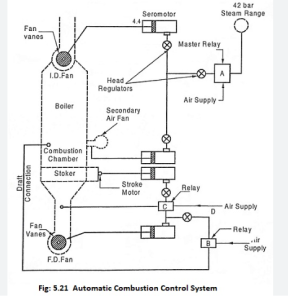
  • Higher Efficiency: Wood-fired boilers can achieve up to 90% efficiency, with combustion efficiency reaching 99%. They are among the most efficient wood-fired steam generators for industrial applications. To maintain this rate, all you need to do is conduct regular inspections, cleaning, and install necessary auxiliary equipment.
  • Capacity Range: Despite their small size, these boilers are powerful. They can provide a maximum output of 1400 kW, meaning you can obtain a small system with a maximum size of 2 tons.
  • Obstacle-Free: Their small size makes them more suitable for indoor installation, a significant advantage for small industrial and commercial spaces. Additionally, their installation is cheaper and more convenient than large boilers.
  • Safety Measures: Since they operate at higher temperatures, these systems offer all essential safety measures. You can obtain durable valves, pipes, gaskets, and chimneys, ensuring a safe environment and efficient boiler operation for years.
  • Cheaper Energy: Wood is a relatively inexpensive energy source, more accessible than fuel, natural gas, and coal. The best part is that these boilers can accept various forms of wood input, including chips, pellets, raw wood, lumber, or leftovers.
  • Multi-Energy Input: Many small wood-fired boilers may feature multi-energy input, allowing you to combine wood with other sources like coal, oil, or biomass.

How to Purchase a Small Wood-Fired Steam Boiler?

Are you looking to buy a small wood-fired steam boiler? Consider the following factors: input and output range, components and auxiliary equipment, design, size, and installation guarantee. If you choose a reliable manufacturer like Boiler Philippines, you can overlook most of these factors. We offer free spare parts, efficient boilers, installation assistance, after-sales service, and quality auxiliary equipment.

Conclusion

Small wood-fired boilers can be the ultimate solution to meet your industrial needs. They can handle operations more effectively than many other generators. Additionally, their design makes them superior in terms of installation, efficiency, and convenience compared to other types. A professional tip for this system is to always consider inspections and maintenance. This simple step can save you from more significant problems and expenses in the long run. Choose Boiler Philippines for the best deals on small wood-fired steam boilers, as we exclude intermediary costs. Moreover, our catalog is extensive, offering many options in this category, allowing you to easily find a product that suits your industrial or commercial requirements.

Visit us at http://www.boiler.ph for more information.

 

Why You Need to Buy a Coal-Fired Boiler

With the development of the times, many people believe that coal-fired steam boilers will eventually be replaced by new energy sources and gas. However, this is not the case. Currently, new energy sources face instability in terms of access, efficiency, and cost, and a complete replacement of coal will take some time. Especially since gas remains an unstable heat source, coal-fired boilers will continue to be a major player in the market for the foreseeable future.

Why We Recommend Choosing Coal-Fired Boilers

  1. Stable Coal Supply: In the energy sector, coal holds a leading position. As a fossil fuel, it has a certain storage base, ensuring a stable, convenient, and continuous supply with high reliability.
  2. Higher Overall Efficiency: Compared to natural gas, coal remains relatively low in cost. The construction of natural gas pipelines is expensive and carries potential risks. For example, two years ago, China promoted the use of natural gas boilers, but many had to cease operations due to natural gas shortages. Coal-fired boilers can coexist with biomass boilers, helping enterprises achieve good production efficiency. They are highly favored in the industrial and power sectors.
  3. Mature and Stable Technology: The development of coal-fired boilers has spanned over half a century, undergoing multiple technological improvements and innovations, reaching a highly mature level. The industry boasts a group of experienced boiler professionals and technicians capable of providing timely and professional service support. Choosing coal-fired boiler technology for heating or industrial heat supply helps lower the technical acquisition threshold and reduces operational risks to a certain extent.
  4. Promoting Industry: A stable energy supply is crucial for many industrial sectors, especially in heavy industries and energy-intensive fields such as thermal power, chemicals, cement, steel, papermaking, food, textiles, and more. Coal-fired boilers are often the first choice in these energy-intensive areas.
  5. Continuous Technological Innovation: Coal-fired boilers now incorporate numerous new technologies aimed at burning hotter and cleaner, as well as better utilizing thermal energy and making the system easier to operate.


Innovations in Our Coal-Fired Boilers

  • New Energy Savers: Adopting condenser designs that recover heat from new sources, making the equipment more energy-efficient. The innovative condenser design overcomes issues of low heat dissipation efficiency and high energy consumption found in traditional condensers. By optimizing the heat dissipation structure and improving heat transfer efficiency, these problems are effectively resolved, ensuring more stable and reliable equipment operation and bringing considerable economic benefits to enterprises.

  • Desulfurization and Denitrification Technology: Reduces harmful gas emissions, playing a significant role in environmental protection. Through a series of chemical reactions, sulfur and nitrogen compounds produced during coal combustion are converted into harmless substances, reducing atmospheric pollution. This not only aligns with current green and environmental trends but also earns enterprises a good social reputation.


  • Improved Boiler Structure: Increasing the combustion area of chain grates and the contact area between boiler downcomers and heat sources, resulting in a larger heating area and improved thermal energy utilization. Firstly, the increase in the chain grate combustion area ensures a fuller combustion of fuel, reducing incomplete combustion phenomena. This not only improves boiler combustion efficiency and reduces fuel consumption but also decreases harmful gas emissions, benefiting environmental protection. Additionally, increasing the combustion area helps stabilize the combustion process, reducing boiler operational instability and enhancing equipment safety. Secondly, increasing the contact area between boiler downcomers and heat sources allows for more sufficient heat transfer, improving thermal energy utilization. This improvement brings significant effects in actual operation, enabling the boiler to generate more useful heat under the same conditions to meet production needs.

  • Dust Removal Methods: Employed dust removal methods include ceramic multi-tube dust collectors, cyclone dust collectors, water film dust collectors, and bag dust collectors. These methods effectively reduce the smoke concentration emitted by coal-fired boilers, improving air quality and protecting the ecological environment. Ceramic multi-tube dust collectors utilize inertial collision principles to cause smoke particles to adhere to the tube walls when passing through the pipes at high speeds, achieving dust removal. Cyclone dust collectors separate smoke particles through cyclone effects. Water film dust collectors use water film adsorption and scrubbing to remove smoke particles. Bag dust collectors filter smoke particles through the filtering action of filter materials, blocking them outside the bags to achieve dust removal.

  • Fully Imported PLC Intelligent Control System: Enhances the intelligent and automated level of coal-fired boilers. With cutting-edge control systems and sensor technology, the operational precision and efficiency of coal-fired boilers are significantly improved. By monitoring key parameters such as temperature, pressure, and flow in real-time, the system can automatically adjust fuel supply, air volume, water level, and other parameters to ensure stable boiler operation and efficient energy conversion. Additionally, the application of remote monitoring and fault diagnosis systems enables the timely detection and handling of potential issues during boiler operation, enhancing the reliability and safety of the boiler system.

In summary, in the energy sector, the status of coal-fired boilers cannot be overlooked. Despite rapid advancements in new energy technologies, coal-fired boilers, with their stable energy supply, relatively high economic efficiency, mature technology, and continuous innovation trends, still play a crucial role in many industries.

Looking ahead, with increasingly stringent environmental standards and continuous technological innovation, coal-fired boilers will develop in a more environmentally friendly, efficient, and intelligent direction, providing more stable and reliable energy security for various industries. For more information, visit http://www.boiler.ph.

Design Features of DZL Coal-Fired Steam Boiler

For the first type of boiler, we recommend the commonly used DZL chain grate steam boiler.

Core Design Features: The DZL coal-fired steam boiler features a single-cylinder, longitudinal chain grate design. “Single-cylinder” refers to the boiler having only one horizontal cylinder inside, distinguishing it from double-boiler designs which have two cylinders, one larger at the top and one smaller at the bottom. “Longitudinal” refers to the layout of the boiler’s water tubes. The water tubes are designed as vertical water-cooled walls near the furnace, directly absorbing heat from the grate and converting hot water into steam, which is then discharged from the upper horizontal cylinder to provide a stable heat source. These water-cooled walls effectively protect the boiler furnace from high-temperature erosion and also reduce the external temperature of the boiler.

The furnace is the core working area of the coal-fired boiler, with an internal sawtooth structure that allows coal to combine very fully with air. Temperature control inside the furnace is crucial to prevent high-temperature combustion of the grate. Therefore, a blower is installed at the bottom of the boiler to ensure a constant flow of fresh air for high boiler combustion efficiency.

Internal Space Design: High-temperature flue gas from the boiler is discharged through the smoke pipes, but it carries a significant amount of heat. Directly discharging it into the air would be wasteful, so an energy saver is usually equipped at the furnace exit. The flue gas enters the pipes, while softened water flows through the internal water pipes. The softened water is heated by the high-temperature flue gas to a certain temperature and then input into the boiler body, effectively improving the temperature of the hot water entering the boiler and thus enhancing the efficiency of the coal-fired boiler.

The chain grate allows coal to be evenly spread on top. It has an automatic speed adjustment box that allows coal to be slowly conveyed backward. During this process, the coal gradually burns out, providing a very stable feeding method that also improves coal combustion efficiency.

conclusion

In terms of safety performance, you can rest assured. Our DZL grate system is specially equipped with a design that prevents backfire and promotes complete combustion. It can precisely control the operating speed of the grate and flexibly and dynamically adjust the ratio of primary air to secondary air, effectively controlling combustion speed and temperature and significantly reducing the production of harmful gases and particulate matter due to incomplete combustion.

People are also more concerned about the cleanup of boiler cinders and daily maintenance. We have designed it with an automatic slag remover. After the coal is completely burned, the waste slag in the furnace is automatically guided to the slag remover, which is usually equipped with scraper or screw slag devices that automatically transport the cinders to the outside of the boiler in a fully automatic manner.

Of course, coal-fired boilers have many other advantages. Whether you need a large tonnage or a small tonnage, coal-fired boilers are a good choice for you. If you are unsure about the structure you need or the output capacity, our engineers can customize it for you.


WNS Corrugated Boilers: An Engineering Breakthrough for Low-Carbon Production


Why WNS Gas Boilers Feature Corrugated Furnace Design

Introduction

The furnace design of gas steam boilers is crucial for stable operation. When the burner ignites, the flame requires an optimally designed combustion space that directly impacts fuel efficiency, heat transfer, and overall boiler performance. This article examines the structural advantages, material selection, and production processes behind WNS series boilers’ corrugated furnace design.

Furnace Structure Design

High-Performance Construction

  • Material: Uses high-temperature/corrosion-resistant boiler steel plates (Q345R/Q245B)
  • Design Focus: Optimizes heat transfer efficiency while ensuring structural integrity

Key Benefits

  • Withstands intense thermal loads
  • Enhances equipment durability
  • Extends service life significantly
  • 15-20% greater heat transfer efficiency
  • 30% longer lifespan than standard designs
  • 5-8% higher thermal efficiency

Material Specifications (Q245B)

Property Specification
Carbon (C) ≤0.20%
Silicon (Si) ≤0.35%
Manganese (Mn) 0.30-0.70%
Yield Strength ≥245 MPa
Tensile Strength 375-500 MPa
Elongation ≥21% (thickness ≤16mm)

Core Design Principles

Enhanced Heat Exchange

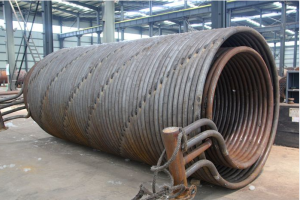
  • Cylindrical corrugated shape extends flue gas retention time
  • Increased surface area improves contact with hot gases/water
  • Wet-back design (fully water-immersed) ensures efficient heat transfer

Mechanical Advantages

  • Superior thermal expansion/contraction response
  • Ideal for frequent start-stop operations
  • Maintains structural stability under varying pressures

Precision Manufacturing Process

Material Procurement: Certified steel from qualified suppliers

Barrel Formation:

  • Precision rolling into cylindrical form
  • Professional welding for extended sections

Spin Forming:

  • High-temperature rotary press molding
  • Controlled cooling process

Quality Verification:

  • Rigorous testing at all production stages
  • Compliance with design specifications

4. Optimal Combustion Indicators

Flame Characteristics:

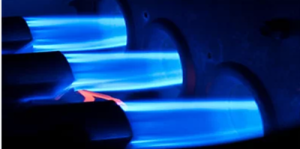
  • Light blue color indicates proper air-fuel mix
  • Moderate length ensures complete combustion
  • Stable thermal field formation

Emission Standards:

  • No visible black smoke
  • Particulate matter ≤30mg (with low-NOx burners)
  • Significantly reduced pollutants

5. Technical Advantages Summary

Feature Benefit
Corrugated Design 15-20% greater heat transfer
Q345R Materials 30% longer lifespan than standard
Wet-back System 5-8% higher thermal efficiency
Precision Welding Withstands 25% higher pressures

Conclusion

The corrugated furnace design represents Boiler Philippines’ engineering excellence in gas boiler technology. By combining advanced materials with innovative geometry, WNS series boilers deliver:

  • Unmatched combustion efficiency
  • Exceptional durability
  • Industry-leading thermal performance
  • Sustainable operation

For customized boiler solutions tailored to your specific operational requirements, visit www.boiler.ph

Eco-Friendly Papermaking: Energy-Saving Steam Boiler Technologies

Steam Boilers in the Paper Manufacturing Industry

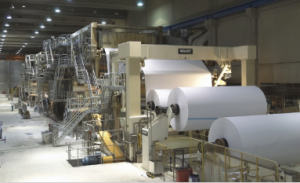
Steam boilers play a vital role in paper manufacturing, serving as the heart of thermal energy supply for production processes. These systems not only ensure stable heat delivery but also significantly impact paper quality and production efficiency. This article explores the applications, optimization strategies, and environmental technologies of steam boilers in paper manufacturing.

 The Critical Role of Steam Boilers

The paper industry has enormous energy demands, and steam boilers meet these requirements by providing powerful heat output for various production stages:

  • Raw material pretreatment
  • Pulping processes
  • Bleaching operations
  • Paper drying and forming
  • Calendering and finishing

Steam application accelerates production timelines while enhancing final product quality, making boilers indispensable in modern paper manufacturing.

 Paper Production Line Overview

Paper manufacturing involves complex processes where steam serves essential functions:

Key Production Stages:

Raw Material Preparation: Steam adjusts material moisture for optimal processing

Pulping: Steam heats and softens fibers for mechanical/chemical treatment

Bleaching: Steam activates bleaching agents for improved efficiency

Wire Section: Steam controls humidity for proper sheet formation

Drying: Steam-heated air rapidly removes moisture

Calendering: Steam heats rollers to enhance surface smoothness

Precise steam temperature and humidity control directly affect paper quality, strength, and appearance throughout these processes.

Recommended Boiler Model: SZL Series

Boiler Philippines recommends the SZL series steam boiler for paper manufacturing applications, featuring:

  • Double-drum longitudinal design: Ensures continuous, uniform steam generation
  • Chain grate stoker: Promotes even fuel distribution and complete combustion
  • Water-cooled walls: Protects furnace while absorbing thermal energy
  • Automated control system: Precisely regulates fuel/air ratios for safe operation

These features combine to deliver high thermal efficiency ideal for paper production needs.

Boiler Operation Optimization

Enhance paper manufacturing efficiency through these boiler optimization strategies:

Performance Improvements:

  • Load management: Match output to production demands
  • Combustion optimization: Fine-tune parameters for maximum efficiency
  • Automated controls: Maintain precise steam pressure/temperature
  • Preventive maintenance: Regular inspections and component servicing

Production Line Integration

Modern integration solutions connect boilers seamlessly with paper manufacturing:

  • Real-time data exchange: Automatic boiler adjustments based on production needs
  • Energy management: Comprehensive monitoring for optimal consumption
  • Environmental control: Precise steam conditioning for process stability

Environmental Protection Measures

Boiler Philippines implements sustainable technologies for greener operations

Eco-Friendly Solutions:

  • Emission controls: Advanced desulfurization and denitrification systems
  • Waste heat recovery: Utilizing flue gas energy for preheating
  • Clean fuels: Biomass alternatives to reduce fossil fuel dependence

Conclusion

As the core of paper manufacturing systems, steam boilers enable both production efficiency and quality control when properly optimized. By implementing advanced control systems and environmental technologies, Boiler Philippines helps paper manufacturers achieve sustainable operations without compromising performance.

About Us

Boiler Philippines is a leading steam boiler manufacturer with 40 years of industry experience, committed to delivering cost-effective thermal solutions.

Contact Information

Email: [email protected]

Address: Manila, Philippines

Visit us at: http://www.boiler.ph

Steam Boilers for Textile Industry – Boiler Philippines Solutions

Introduction to Textile Steam Boilers

Textile manufacturing becomes significantly more complex without proper industrial steam boilers. High-quality boilers from Boiler Philippines offer:

  • Rapid steam generation
  • Short startup times
  • Quick response to steam demand fluctuations

These features are essential for efficient textile production operations.

Critical Textile Processes Using Steam

1. Pre-Treatment

The most crucial stage preparing materials for dyeing and finishing:

  • Removes impurities from fabrics
  • Uses pure steam and hot water
  • Requires highly efficient steam boilers

2. Dyeing Process

Steam boilers enable temperature adjustment for various fabrics:

  • Synthetic fibers
  • Silk
  • Wool
  • Nylon
  • Jute
  • Rayon
  • Cotton

3. Printing Applications

Similar to dyeing but adds patterns/designs:

  • Steam ensures print durability
  • Provides precise heat/moisture control
  • Maintains fabric quality

4. Finishing Touches

Final preparation before sale:

  • Steam finishing for certain fabrics
  • Enhances product quality
  • Improves market readiness

Key Features of Our Textile Boilers

Boiler Philippines offers advanced solutions with:

  • Eco-friendly operation (no pollutants)
  • 98% efficiency rating
  • No separate boiler house required
  • Quiet, clean operation
  • Minimal maintenance requirements
  • Instant steam generation

Steam Properties for Textile Production

Our boilers provide steam that enhances fibers with:

  • Shrinkage resistance
  • Dimensional stability
  • Corrugation resistance
  • Enhanced luminosity
  • Improved dye absorption
  • Better weaving performance

Selection Guide for Textile Boilers

Critical Selection Factors

1. Operational Flexibility

  • Quick start/stop capability
  • Rapid response to demand changes
  • Water tube boilers recommended

2. Maintenance Simplicity

  • Self-diagnosing systems
  • Real-time monitoring
  • Easy troubleshooting

3. Fuel Efficiency

  • Adapts to steam fluctuations
  • Cost-effective long-term operation
  • Verified consumption rates

4. Heating Parameters

  • Matches room requirements
  • Proper pressure/temperature balance
  • Optimized thermal efficiency

Optimization Areas for Textile Boilers

1. Boiler Blowdown Management

  • Controls dissolved solids
  • Prevents foaming/carryover
  • Reduces heat loss
  • Automated systems available

2. Steam Trap Optimization

  • Prevents heat loss
  • Removes condensate efficiently
  • Proper sizing crucial
  • Regular inspection recommended

3. Leak Prevention

  • Reduces energy loss
  • Lowers operational costs
  • Improves system reliability

4. Condensate Recovery

  • Recovers 20-30% heat energy
  • Reduces makeup water needs
  • Lowers fuel consumption
  • Improves overall efficiency

Efficiency Improvement Strategies

1. Feed Water Management

  • Maintains optimal temperature
  • Reduces dissolved gases
  • Ensures continuous supply

2. Advanced Steam Traps

  • Maintains steam line efficiency
  • Prevents moisture accumulation
  • Regular replacement schedule

3. Comprehensive Recovery

  • Maximizes condensate reuse
  • Reduces water treatment costs
  • Lowers energy consumption

4. Automated Systems

  • Automatic blowdown controls
  • Conductivity monitoring
  • Optimized surface management

Why Choose Boiler Philippines?

With decades of experience in textile boiler manufacturing, we offer:

  • Customized energy solutions
  • Premium quality equipment
  • Long-lasting performance
  • Cost-effective operations

Our Product Range

  • Steam Boilers
  • Coal-Fired Boilers
  • Vertical Boilers
  • Electric Steam Boilers
  • Hot Water Boilers
  • Chain Grate Systems

Contact Boiler Philippines

Phone: +86-15896773898

Email: [email protected]

Website: Boiler.PH – Professional Industrial Boiler Supplier


Precision Control Redefined: Exploring Boiler Philippines’ WNS Gas Steam Boiler Panel Components


How Our WNS Gas Steam Boiler Control Panel Works

Boiler Philippines presents cutting-edge WNS series gas steam boiler control panels, engineered for optimal performance and safety in demanding industrial applications.

Intelligent Operation Management

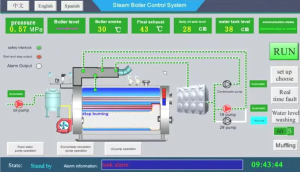
When your gas steam boiler operates, the Boiler control panel collects real-time sensor data to maintain ideal conditions. Our PLC evaluates this data and executes precise commands.

  • Automated water level regulation with dual-color gauge and alarm system
  • Pressure surge protection with safety interlocks
  • Instant response to operational anomalies

Core Components of Boiler Philippines WNS Control Panel

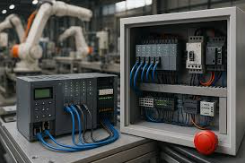
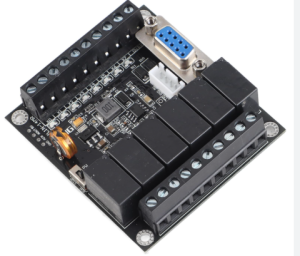
1. PLC Controller

The programmable logic controller serves as the system brain, processing sensor signals and executing control logic for safe, efficient operation.

2. Human-Machine Interface (HMI)

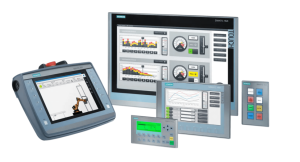
Featuring premium touchscreens from Siemens/Schneider, displaying:

  • Real-time pressure/temperature data
  • Water level indicators
  • Exhaust temperature readings
  • Operational status updates


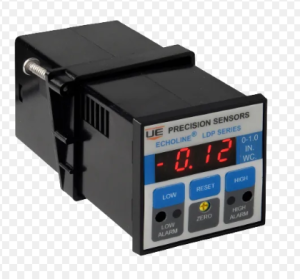
3. Precision Sensors

  • Temperature Sensors: Monitor steam/water/exhaust temperatures (PT100 400℃)
  • Pressure Sensors: 1.6 MPa capacity with pressure controllers
  • Water Level Controller: Prevents dry burning/overflow with real-time monitoring

4. Advanced Combustion Control

  • Electronic air-fuel ratio management
  • Emergency shut-off valves
  • Flame detection systems

Safety & Efficiency Assurance

98% Operational Efficiency

Through optimized combustion control

Ultra-Low Emissions

<20ppm NOx with 93.3% combustion efficiency

Rapid Response

5-minute steam capacity achievement

Comprehensive Protection

Pressure relief valves, overheat protection, emergency shutdown

Technical Specifications

Category Specification Details
Control Cabinet Dimensions 1200*1000*550mm
PLC System SR30 CPU + AE08/AE06 modules
HMI Display 10″ Touchscreen
Sensors Temperature Range PT100 200-400℃
Pressure Capacity 1.6 MPa
Response Time <2s for critical alerts
Safety Systems Emission Control <20ppm NOx

Remote Monitoring Capabilities

Optional cloud-connected systems enable:

  • Mobile diagnostics
  • Remote parameter adjustment
  • Predictive maintenance alerts


Why Choose Boiler Philippines?

  • 40+ years industrial boiler expertise
  • ISO-certified manufacturing
  • Customized solutions for Philippine industries
  • Comprehensive after-sales support

Contact Our Engineers Today:

📞 +86 15896773898
📧 [email protected]


Everything You Need to Know About Oil-Fired Hot Water Boilers


A Complete Guide to Oil-Fired Hot Water Boilers

By Boiler Philippines | July 25, 2025

Hot water is a vital need for industries and homes, especially in regions with colder climates. Bulk hot water production is only feasible with an oil-fired hot water boiler system.

Hot Water boiler Oil Fired System Drawing


What Is an Oil-Fired Hot Water Boiler System?

An industrial hot water boiler is a complex network of vessels enclosed in a metal container. It uses heat energy from fuel combustion to raise water temperature, which is then transported through pipes for industrial use.


Design of an Oil-Fired Hot Water Boiler

Unlike commercial systems, industrial boilers do not boil water but heat it to 220°F (beyond the standard boiling point of 212°F) due to increased internal pressure.

Key Design Features:

  • Compact and durable: Made from anti-corrosive metals like stainless steel.
  • Lightweight insulation: Aluminum silicate fiber lining for temperature and pressure resistance.
  • Shape options: Circular, vertical, or horizontal designs.

Components of an Oil-Fired Hot Water Boiler

Every boiler includes these core parts:

  1. Burner: Combusts fuel (oil, gas, or solid) to generate heat.
  2. Heat Exchanger: Transfers heat from combustion to water.
  3. Combustion Chamber: Space where fuel burns continuously.
  4. Control Systems: Automation tools for monitoring temperature, pressure, and alarms.


Accessory Parts (Optional):

  • Economizer
  • Circulation pump
  • Aquastat
  • Feedwater heater
  • Condenser

Types of Industrial Hot Water Boilers

1. Gas-Fired Boilers

  • Fuels: Natural gas, LPG, propane, or butane.
  • Most efficient but costly.

2. Oil-Fired Boilers

  • Fuels: Light oil, heavy oil, kerosene, red diesel.
  • Ideal where piped gas is unavailable.

3. Solid-Fuel Boilers

  • Fuels: Wood, coal, agricultural waste.
  • Lower efficiency but cost-effective.

4. Electric Boilers

  • 98% efficiency; requires stable power supply.


5. Vacuum Boilers

  • Operates under negative pressure for safety.
  • Energy-efficient and versatile for varying temperature needs.


How Does an Oil-Fired Hot Water Boiler Work?

  1. Fuel Intake: Oil is fed into the combustion chamber.
  2. Combustion: Heat is generated and transferred via the heat exchanger.
  3. Water Heating: Water circulates through tubes, absorbing heat.
  4. Distribution: Hot water is pumped to industrial systems.

Advantages of Oil-Fired Hot Water Boilers

  • Safety: Stainless steel construction and pressure-resistant design.
  • High Efficiency: Up to 98% with economizers/condensers.
  • Automation: Smart controls for temperature regulation and leak detection.


Safety Precautions

  • Wear protective gear.
  • Regularly check fuel/water levels and leaks.
  • Never leave the boiler unattended.

Maintenance Steps

  1. Inspect: Fuel lines, water supply, and heat surfaces.
  2. Revise: Professional check every 2 years.
  3. Clean: Remove residue and blockages.

Cost Range

  • Standard boilers: $9,000–$80,000 (capacity-dependent).
  • 5-ton boilers: $55,000–$98,000.


Why Choose Boiler Philippines?

With 40+ years of expertise, we provide:

  • Durable, lightweight boilers with aluminum silicate insulation.
  • Custom temperature control (10°C–90°C).
  • Microcomputerized systems for precision.

Contact us today for a tailored solution!

📧 [email protected]

🌐  http://www.boiler.ph


A Guide to Choosing the Best Boiler Grate Bars for Maintenance

How to Purchase the Right Boiler Grate Bars During Maintenance?

Boiler grate bars are critical components directly involved in fuel combustion, widely used in chain grate steam boilers, hot water boilers, thermal oil boilers, and other thermal equipment. To ensure the boiler operates efficiently, regular inspection and maintenance of the chain grate and its components are essential.

Common Chain Grate Issues and Solutions

  • Chain Grate Movement Failure: Large fuel particles or external forces can cause the grate to jam, leading to intermittent movement or complete stoppage. Severe cases may result in broken fuse links or damaged transmission mechanisms. Immediate inspection and troubleshooting are required


  • Chain and Gear Misalignment:Prolonged operation can cause significant wear, leading to misalignment. Timely chain replacement is necessary.


  • Chain Beam Bending: External forces or overload can bend the beams, requiring immediate replacement.


  • Grate Deviation During Operation: Improper adjustment of the front and rear axles during installation can cause unstable grate movement.


  • Fuel Coking on the Grate: Long-term use of low-quality coal or high-oil-content fuel can lead to caking on the grate surface. Regular cleaning is recommended.

Purchasing New Chain Grate Spare Parts

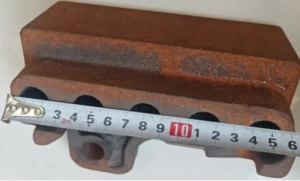
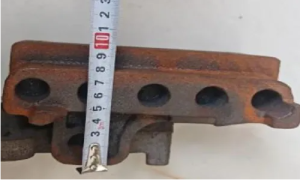
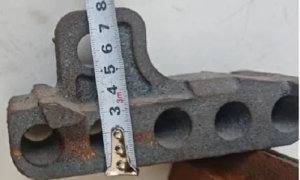
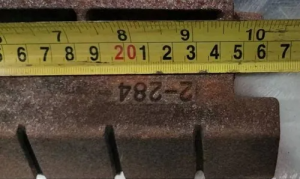
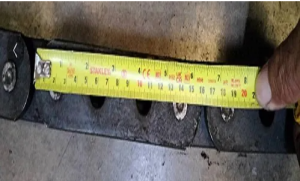
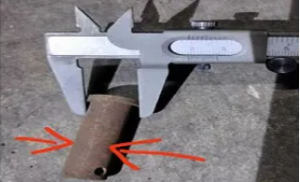
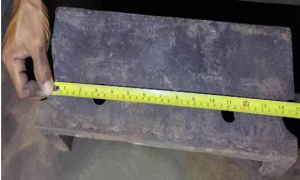
When replacing essential parts like grate bars, it’s crucial to provide suppliers with accurate details to avoid confusion. Below are key measurements for a 20t/h chain grate steam boiler:

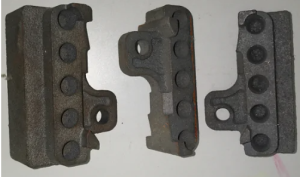
1. Left and Right Boiler Grate Bars

Measure the length, width, height, and positioning dimensions. Note that left and right bars may look similar but have different installation orientations.


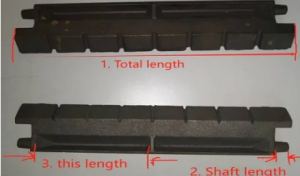
2. Middle Grate Bar

Provide detailed measurements as illustrated.


3. Large Grate (Fish Scale Type)

Due to variations between manufacturers and batches, measure the length, width, height, hole spacing, hole diameter, and other parameters.


4. Chain

Specify the length, number of sections, thickness, and other requirements. For example, a 20m chain with 125 sections.

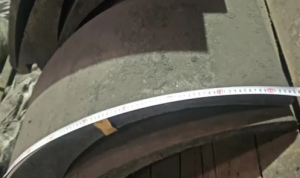
5. Boiler Slag Stopper/Ash Remover

Measure the arc length and the distance between endpoints.

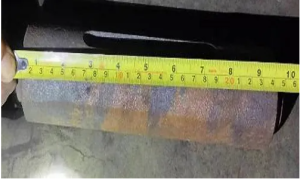
6. Roller

Provide the overall length.

7. Bushing

Include outer and inner dimensions.

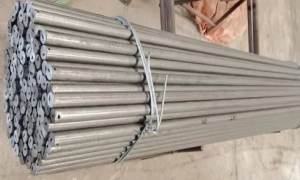
8. Shaft

Specify the dimensions and overall length.

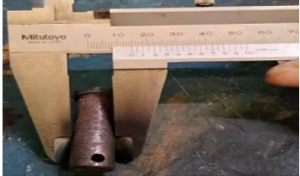
9. Grate Buckle

Provide the end face diameter and connecting part diameter.

10. Side Seal Plate

Measure the overall length, height, and width, as designs vary.

Summary

By providing the above data to suppliers, you can easily purchase the correct parts. If unsure, feel free to contact Boiler Philippines for professional assistance.

About Boiler Philippines

As a leading boiler manufacturer, we offer high-quality products at competitive prices. Our equipment is rigorously inspected and packaged to ensure superior performance.

Our Products Include:

  • Steam Boilers: Coal-fired, biomass, gas/oil-fired, electric, and more.
  • Thermal Oil Boilers
  • Chain Grate Stokers, Grate Bars, and Related Components


For inquiries, contact us:

[email protected]

🌐 www.boiler.ph


Continue reading