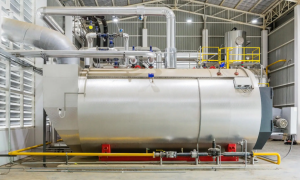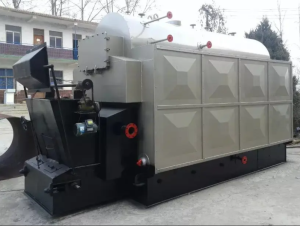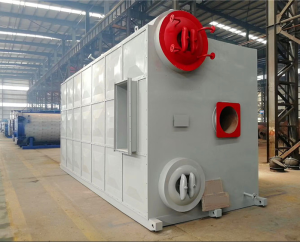
Which is More Energy Efficient: Steam Boilers or Thermal Oil Heaters?

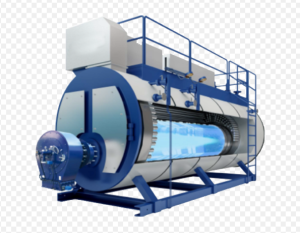
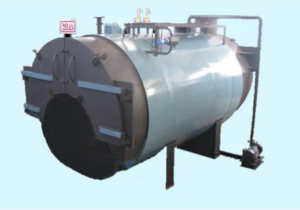
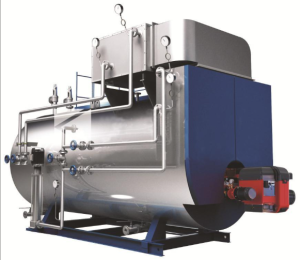
Steam boilers and thermal oil heaters are among the most commonly used heating systems in industrial applications. However, many face uncertainty when choosing between these systems based on energy efficiency. This article will help clarify these concerns by examining key comparison factors.

Understanding Energy Efficiency in Boilers

Energy efficiency has become a fundamental characteristic of modern boiler systems. But what exactly does “energy efficient” mean in industrial boiler context?

An energy efficient boiler maximizes output while minimizing energy input. Some boilers may use more energy to generate heat but less to transfer it, while others might generate heat efficiently but lose energy during transfer. The most efficient systems optimize both generation and transfer processes.

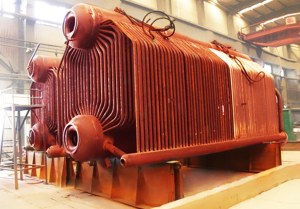
Steam Boiler Systems

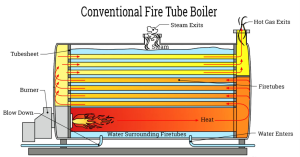
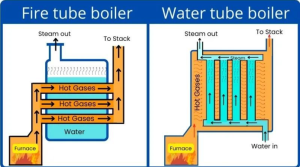
Steam boilers generate energy by heating water beyond its boiling point, converting liquid water into steam. The steam then transfers heat throughout the system.

Advantages:

  • Excellent heat transfer capabilities
  • Well-established technology with widespread industry knowledge
  • Suitable for applications requiring large amounts of instantaneous energy

Disadvantages:

  • Prone to corrosion from oxygen, foaming water, and reactive waste
  • Mineral deposits and scale buildup reduce efficiency over time
  • Requires regular maintenance and water treatment
  • Vulnerable to freezing in cold conditions
  • Operates under high pressure, requiring safety precautions
Thermal Oil Heater Systems

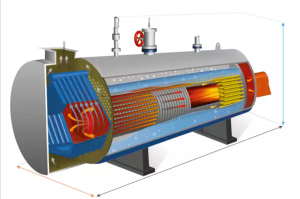
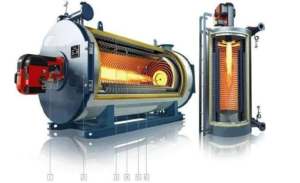
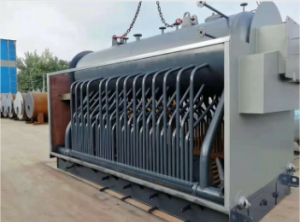
Thermal oil heaters generate energy from hot combustion byproducts firing over a helical coil. The system heats fluid through particle emission and convection, circulating it in a closed loop without phase change.

Advantages:

  • Operates at high temperatures with low pressure
  • No corrosion issues (closed system with no water)
  • No mineral deposits or scaling
  • Resistant to freezing temperatures
  • Doesn’t require water treatment or steam traps
  • Generally safer with lower explosion risks

Disadvantages:

  • Higher flue gas temperatures indicate some energy loss
  • Less suitable for applications needing instantaneous large energy bursts
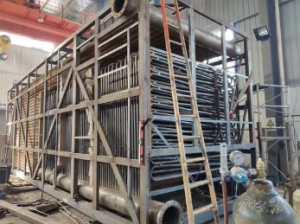
Key Efficiency Comparison Factors

1. Corrosion Resistance

Steam boilers are prone to corrosion from water and chemicals, while thermal oil systems are completely non-corrosive. Corrosion significantly impacts energy efficiency by degrading components over time.

2. Performance in Cold Conditions

Steam boilers require frequent winter maintenance and are vulnerable to freezing damage. Thermal oil systems perform reliably in cold weather without special precautions.

3. Operating Pressure

Steam systems generate high pressure that increases exponentially with temperature, requiring safety measures and dedicated operators. Thermal oil systems operate at low or no pressure, reducing risks and operational costs.

4. Operating Temperature

While thermal oil systems can operate at higher temperatures (typically around 300°C for organic oils), they have higher flue gas temperatures (~350°C) compared to steam systems (~200°C), indicating greater heat loss.
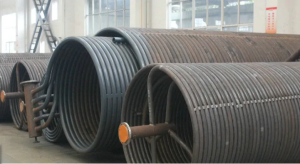
Technical Specifications Comparison

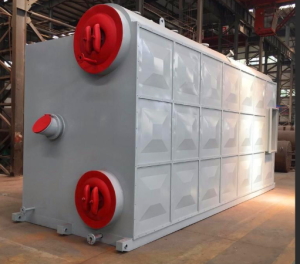
Steam Boiler Specifications

Boiler Model Capacity (ton/h) Rated Pressure (MPa) Steam Temperature (°C) Design Efficiency (%)
SZL6-1.25/1.6-AII 6 1.25/1.6 193/204 80.11/79.44
SZL10-1.25/1.6-AII 10 1.25/1.6 193/204 80.55/80.28
SZL20-1.25/1.6-AII 20 1.25/1.6 193/204 81.09/80.77

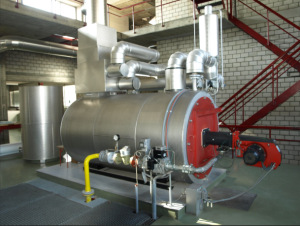
Thermal Oil Heater Specifications

Model Rated Power (KW) Thermal Efficiency (%) Design Pressure (MPa) Temperature (°C)
(Y(Q)L)(W)-120-YQ 120 ≥75% 1.0 350
(Y(Q)L)(W)-1000-YQ 1000 ≥75% 1.0 350
(Y(Q)L)(W)-3500-YQ 3500 ≥80% 1.0 350

Which System is More Energy Efficient?

After comparing both systems, thermal oil heaters generally demonstrate better energy efficiency due to:

  • Ability to operate at high temperatures with low pressure
  • Superior performance in extreme conditions
  • Corrosion resistance that prevents energy loss
  • Lower operational pressure reducing energy requirements

However, steam boilers remain preferable for applications requiring large instantaneous energy output. The optimal choice depends on your specific operational requirements and conditions.
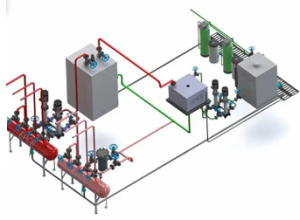
Why Choose Boiler Philippines?

Boiler Philippines offers both high-quality steam boilers and thermal oil heaters with these advantages:

  • Advanced regulation mechanisms for optimal heat efficiency
  • Compact designs that save space while maximizing efficiency
  • Automated detection, regulation, and alarm systems
  • Simplified heating systems that reduce maintenance requirements
  • Efficiency-promoting coil structures and heating surfaces
  • Air-preheaters that boost overall system efficiency

Our technical team can assess your specific needs to recommend the most energy-efficient solution for your application.
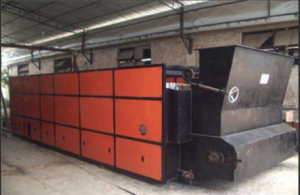
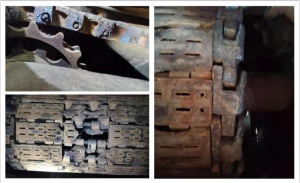
About Boiler Philippines

Boiler Philippines is a leading provider of industrial heating solutions with decades of experience in both steam boilers and thermal oil systems. Our team is dedicated to delivering the most energy-efficient solutions tailored to your specific requirements.

For more information or consultation, visit our website: www.boiler.ph


Chain Grate Stoker Burnout Problems and Solutions

Understanding and resolving common chain grate stoker burnout issues in industrial boilers

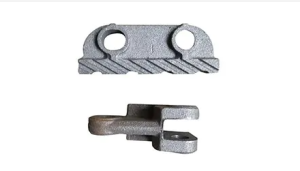
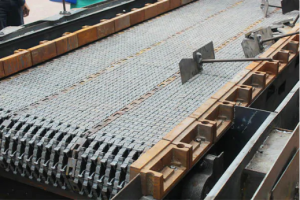
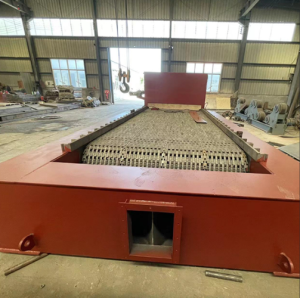
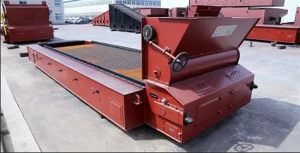
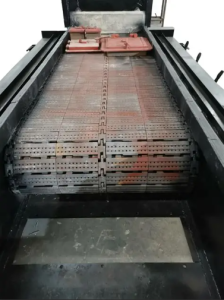
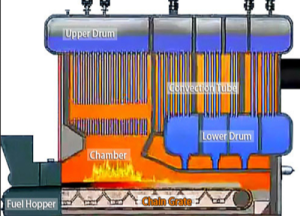
Chain grate stokers are essential components of industrial boilers, responsible for stacking solid fuel and enabling efficient combustion. The horizontal chain grate stoker consists of alternating fixed boiler grate bars and movable heating furnace grate bars, with each set of grate bars positioned on the same plane.

While their advantages include low fuel quality requirements and automatic fire management, significant drawbacks exist. During regular industrial boiler inspections, we frequently encounter severe burn-through and deformation of horizontal grates, with some requiring replacement after just a few months of operation. These issues directly impact production efficiency.
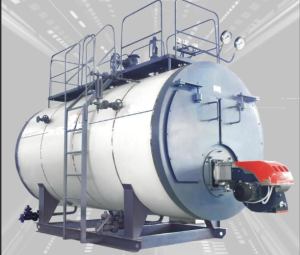
Case Study: SZL10-1.0-AII Industrial Steam Boiler

This boiler plant was manufactured in December 2019 and began operation in December 2021. All pre-commissioning instrument checks indicated good furnace condition and normal stoker operation. After two years of operation, significant grate problems emerged.
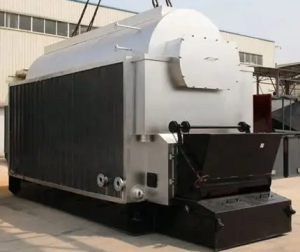
Extensive burn deformation severely affected production, with the shortest replacement interval being just three months. Upon inspection, removed grate fragments showed severe corrosion, with some grate bars reduced to just 2/3 or less of their original length.

Factors Affecting Chain Grate Stoker Burnout

1. Fuel Selection

Chain grate stokers are suitable for medium-low volatile bituminous coal, inferior coal, lignite, and biomass fuels with low calorific value (below 5000 kcal/kg).

The coal used in this case had a calorific value of about 5500 kcal/kg, which is too high for horizontal chain grate stokers. Certain coals like coking coal, gas coal, lean coal, and lignite tend to cake easily, exacerbating grate problems.

2. Chain Grate Stoker Design

The design significantly impacts fuel combustion through several aspects:

  • Grate bar material: The RQTAI5Si heat-resistant cast iron specified wasn’t used – instead IT150 material was substituted, which cannot withstand the maximum working temperature of 900°C.
  • Grate bar size: While geometric dimensions and overlapping methods met specifications, material issues remained problematic.
  • Ventilation: Proper spacing between grate bars and moderate coal particle size are crucial to prevent carbon particle blockage that hinders cooling.

3. Grate Bar Manufacturing Process

While current casting technology achieves good yields with smooth surfaces free of defects like blowholes, material selection remains critical for longevity.

4. Boiler Operation Management

Several operational factors contribute to grate burnout:

  • Improper coal bed thickness and stoker travel speed
  • Failure to promptly remove fine ash accumulation in air chambers
  • Poor grate ventilation due to excessive coal bed density
  • Inadequate ventilation in high-temperature zones
  • Excessive furnace positive pressure or strong arch reflection
  • Improper shutdown procedures allowing coal to burn on the grate

Root Causes of Grate Burnout

Three primary factors were identified in this case:

  1. Incorrect grate bar material selection (failure to use RQTSi5 material in main combustion zones)
  2. Long-term positive pressure combustion affecting primary air and grate cooling
  3. Excessive temperature at the coal-grate contact point due to poor cooling

These issues created a vicious cycle that significantly shortened grate lifespan and caused unnecessary economic losses.

Recommended Solutions

  1. Replace main combustion zone grate bars with RQTSi5 material to improve heat resistance
  2. Use bituminous coal with lower calorific value (~4000 kcal/kg)
  3. Mix coal with slag or use coal blends to improve combustion and maintain negative pressure operation
  4. Ensure proper grate cooling through optimal coal bed thickness and stoker travel speed

Implementing these measures will extend grate lifespan and ensure safe, stable boiler operation.
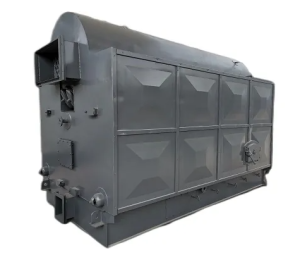
About Boiler Philippines

Boiler Philippines is a leading steam boiler provider with decades of experience in supplying optimal steam boiler systems. Our team is dedicated to providing the most economical steam boiler solutions for various industries.

For more technical information and boiler solutions, visit our website: www.boiler.ph


Pulverized Coal Fired Boilers – High Energy Producers

Introduction

Did you know that pulverized coal fired boiler systems generate about 38% of the world’s electricity?

These mechanical systems are essential as they reduce nearly 97% of total air pollutant emissions. These boilers can generate electricity with 34% to 37% net thermal cycle efficiency, producing greater heat and achieving over 42% efficiency without harming the planet.

Pulverized Coal Fired Boiler Design and Components

These high numbers demonstrate that pulverized coal fired boilers dominate electricity generation in power plants. They provide better economic and ecological approaches by reducing fuel consumption and pollution.
An industrial or utility boiler that burns pulverized coal blown into a firebox is called a pulverized coal boiler. “Pulverized coal” refers to coal extracted from sedimentary rock broken down into small particles, typically black and producing thermal energy.

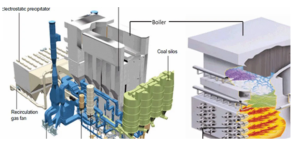
The boiler’s furnace or base area contains burners and the combustion system. In traditional combustion boilers, this is where combustion occurs.

Additionally, the convection section houses the convection heat transfer surfaces. Typically, the boiler’s membrane walls serve as evaporators, and the convection section contains heat exchanger components.

In standard boiler designs, heat exchangers are arranged according to flue gas flow as follows:

  • Superheater 2 (acts as a hanging superheater)
  • Superheater 4
  • Reheater 2
  • Superheater 3
  • Reheater 1
  • Economizer 2
  • Economizer 1

Modern boiler design elements include dry ash removal, super water-cooled furnaces, and regulated ventilation settings. They also feature horizontal and vertical convection passages to reduce initial investment costs.

Technical Specifications

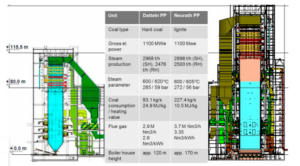
Unit Dattain PP Neurath PP
Coal type Hard coal Lignite
Gross electrical power 1100 MWe 1100 MWe
Steam production 2868 t/h (SH), 2476 t/h (RH)
Steam parameter 600 / 620 °C 285 / 59 bar
Coal consumption / heating value 93.1 kg/s 24.9 MJ/kg
Flue gas 2.9 M Nm3/h 2.6 Nm3/kWh
Boiler house height approx. 120 m approx. 170 m

Reheat and superheat layers come in both horizontal and vertical configurations. While the horizontal and vertical convection passage enclosures are typically steam-cooled, natural circulation cools the furnace wall.

Temperature regulation is crucial in pulverized coal fired boilers. A spray temperature controls the superheat temperature, and gas proportioning dampers at the reheater and economizer exits regulate the reheat temperature.

A reheat spray attemperator is used during transient load and boiler breakdown conditions, with spray volumes minimized for optimal engine efficiency.

Rotating filters enhance coal fineness while consuming less fuel to ensure ideal performance, increasing engine efficiency. Adjustable grinding unit loading systems enable optimal mill turndown without excessive vibration.

Ceramic components and coatings increase service duration, while rotating air entrance “throats” prevent pressure loss.

Role in Electricity Production

An EGU (Electric Generating Unit) is a static boiler or combustion turbine that drives a generator to produce electricity. EGUs have three main boiler types for utilizing and burning coal, with pulverized coal (PC) units being the most effective.

In these boilers, coal is crushed into small particles via a pulverizer. This powdered coal is then burned in a burner. Most coal EGU technologies are PC units, comprising about two-thirds of units currently used for electricity production.

Several coal EGU components generate electricity in power plants or other industries. These components don’t require huge, tailored parts or special metals to handle specific high steam temperatures and pressures.

Using such components benefits the overall economy as they are readily available and durable.

Role of Coal Pulverizers

Coal pulverizers are primarily made of steel and steel parts, standing approximately 30 feet tall. Several autonomous pulverizers are typically installed for an EGU to meet firing and performance criteria.

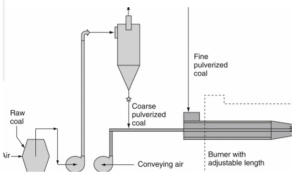
The process begins with coal being placed into a pulverizer for PC units, where it’s ground into a fine powder to aid combustion. The coal is mechanically crushed to appropriate fineness, with larger particles reground and moisture removed before burning.

After grinding, the coal is pushed through a burner. As the mixture reaches the boiler, the burner ignites the coal with controlled airflow. Each pulverizer typically has four to eight burners, with at least four pulverizers feeding a larger boiler.

Lowering combustion temperatures and oxygen concentration during initial coal burning stages can significantly reduce smog-forming NOx production.

Finally, the mixture is transported to a coal-fired steam boiler. While boilers burn various fuels, those designed for power plants are massive, integrated systems built with specialized materials and machinery.

Pollution Control

Plant owners can shift to lower-sulfur coal to reduce SO2 emissions and meet environmental standards. Another pollution reduction method is using SCR (Selective Catalytic Reduction) technology.

SCR is part of the pollution-control system in these boilers, located in the exhaust. The SCR or SNCR system injects ammonia into the flue gas to eliminate NOx.

After pollutants are removed, residual flue gases are released into the atmosphere through tall smokestacks or chimneys (hundreds of feet high), built from reinforced concrete and lined with specialized materials to withstand corrosive conditions and high temperatures.

Cost Estimation

Estimated cost distribution for pulverized coal fired boilers in power plants:

Component Percentage of Costs
Coal and sorbent handling, preparation, and feeding 6%
Feedwater systems 10%
Boiler and NOx controls 35%
Flue-gas cleanup 18%
Ductwork and smokestack 4%
Steam piping 5%
Cooling water system 3%
Waste-handling system 1%
Accessory electric plant and controls 6%
Site improvements, buildings, and structures 1%

Advanced Trends and Performance Goals

Globally, initiatives are underway to develop cutting-edge pulverized coal fired boiler systems that meet future power production demands in economically and ecologically acceptable ways.

Key aspects include increasing thermal efficiency, improving sustainability impact, growing prevalence, controlling initial capital costs, and managing overall power costs.

A slight difference in operating cost can achieve greater thermal efficiency, offering various benefits. Over 70% of a fossil fuel-fired power plant’s operating expenses relate to fuel consumption.

Regulating this can allow efficiency improvements to offset additional investments while giving plants a strategic advantage in the global power market.

Reduced fuel usage per kilowatt-hour generated immediately lowers production of primary air pollutants (SO2, NOx, and particulates), making efficiency improvements one of the most cost-effective ways to reduce CO2 emissions.

While exact performance indicators vary, common targets include:

  • Thermal effectiveness of at least 42% (higher heating value basis), with long-term goals reaching 50% HHV
  • Pollutant emission levels:
    • SO2 < 0.1-0.2 lb/106 Btu (120-250 mg/Nm3)
    • NOx < 0.1 lb/106 Btu (120 mg/Nm3)
    • Particles 0.015 to 0.030 lb/106 Btu (20-40 mg/Nm3)
    • Water discharge ~ 0
    • Solid waste = minimum
  • Minimal change or decrease in electricity cost

Conclusion

Pulverized coal fired boilers are indeed an ideal solution for power plants. Designed to withstand extreme temperatures while significantly reducing pollution and emissions, they achieve optimal performance.

These systems benefit not just ecology but also the economy. When resources are well-utilized with reduced waste, cost savings and higher industry annual revenue can be expected.

About Boiler Philippines

Boiler Philippines is a top-level steam boiler provider with decades of experience in supplying optimal steam boiler systems. Our oil/gas boilers achieve up to 98% efficiency, while coal/biomass boilers reach 85%+ efficiency. Our team is dedicated to providing the most economical steam boiler solutions.

For more information, visit our website: www.boiler.ph


The Complete Guide to Industrial Boiler Capacity Calculation

Introduction

When purchasing or replacing an industrial boiler, one critical question arises: “What boiler capacity does my operation require?” Simply replacing your current boiler with a similar model isn’t always the best solution. Proper research and calculations are essential to avoid investing in an inefficient system that could compromise your productivity.

This comprehensive guide will walk you through methods to measure steam and hot water boiler capacity, highlight common sizing issues, and introduce helpful calculation tools to determine your ideal industrial boiler requirements.

Understanding Boiler Types and Their Capacity Requirements

Industrial operations typically use either hot water boilers or steam boilers, each with different capacity considerations:

Steam Boiler Capacity Factors

  • Fuel input requirements
  • Operating hours
  • Load curve (in lbs/hour of steam)
  • Working pressure

Hot Water Boiler Capacity Factors

  • Circulation medium (water or glycol mixture)
  • Working pressure
  • Fuel input
  • Load curve and temperature limits

The Risks of Improper Boiler Sizing

Problems With Oversized Boilers

  • Excessive fuel consumption leading to budget overruns
  • Increased thermal fatigue on system components
  • Reduced efficiency from constant cycling
  • Higher maintenance and labor requirements
  • Generation of more heat than the system can effectively use

Problems With Undersized Boilers

  • Inability to meet production demands
  • Requirement for extended operating shifts
  • Risk of catastrophic failure from overloading
  • Premature need for replacement

Units for Measuring Boiler Capacity

Boiler Horsepower (BHp)

The capacity of a boiler to generate steam from water. Defined as the thermal energy required to convert 34.5 pounds (15.6 kg) of water into steam at 212°F (100°C) in one hour.

BHp × 34.5 = lbs of steam per hour
lbs of steam ÷ 34.5 = BHp

BTU/Hour

British Thermal Unit – measures heat energy. One BTU raises one pound of water by 1°F. Industrial boilers typically require capacities above 135,000 BTU/h.

Specific Heat

The amount of heat required to raise a material’s temperature. Crucial for understanding fuel performance in boiler operations.

Specific Gravity

The ratio of a material’s density to that of a reference substance (usually water). Helps evaluate fuel properties.

Density

Mass per unit volume. Understanding fuel density helps estimate boiler capacity requirements.

ρ = m/V (where ρ is density, m is mass, V is volume)

Delta T (ΔT)

The temperature difference in a system. Critical for heat dissipation calculations and system safety.

Gallons Per Minute (GPM)

Measures liquid flow rate. Essential for determining production capacity requirements.

Boiler Capacity Calculators

1. Boiler Horsepower Calculator

Converts steam loads (lbs/hour) into boiler horsepower. Simply input your steam load and the calculator divides by 34.5 to determine the required thermal energy at 212°F.

2. BTU/HR to Boiler Horsepower Calculator

Works for both steam and hot water boilers. Converts heat transfer input to BHp by dividing BTU/h by 33,475 (the amount of steam produced by one boiler horsepower).

3. Boiler BTU Calculator (Given Flow and ΔT)

Calculates boiler capacity based on liquid flow and temperature change. Requires inputs of GPM, ΔT, specific heat, specific gravity, and density values.

Conclusion

Accurate industrial boiler capacity calculation is essential for meeting production demands, optimizing efficiency, and protecting your investment. This guide has provided the key concepts and calculation methods to help you determine your perfect boiler size.

For professional assistance in selecting and sizing your industrial boiler system, contact our engineering team today.

Contact Our Boiler Experts


© 2025 Boiler Philippines. All rights reserved.

www.boiler.ph | Your Trusted Industrial Boiler Solutions Provider

Advanced Water Tube Steam Boiler Systems | Boiler Philippines

About Boiler Philippines

Boiler Philippines is a leading manufacturer of water tube steam boilers with decades of experience in the industry. Our boilers are designed for optimal performance, energy efficiency, and long service life.

Our Water Tube Boiler Products

DZL Series (1-10 ton/hour)

Compact water tube boilers perfect for small to medium operations. Features manual feeding system with low overall equipment requirements.

Request Quote

SZL Series (6-40 ton/hour)

Chain grate stoker boilers suitable for coal or biomass fuels. Designed for continuous operation with high thermal efficiency.

Request Quote

SZS Series (2-50 ton/hour)

Oil/gas fired water tube boilers with superior heat transfer efficiency. Our most popular model for industrial applications.

Request Quote

Why Choose Our Water Tube Boilers?

  • Fuel Flexibility: Compatible with coal, biomass, oil, gas and other fuels
  • High Pressure Capacity: Can withstand working pressure up to 555 psi
  • Energy Efficient: Thermal efficiency up to 90% with economizers
  • Durable Construction: Made with premium boiler steel for 20+ year lifespan
  • Modular Design: Easy transportation and on-site assembly

Water Tube Boiler Advantages

Our water tube steam boilers offer significant benefits over fire tube designs:

  • Higher steam generation capacity
  • Faster steam production
  • Better handling of pressure fluctuations
  • More efficient for large-scale operations
  • Clear water circulation pattern

Technical Specifications

All our water tube boilers include these standard components:

  • Steam drum for water/steam separation
  • Water tubes for optimal heat transfer
  • Mud drum for sediment collection
  • Economizer for heat recovery
  • Advanced control systems

Applications

Our boilers are ideal for:

  • Power generation plants
  • Chemical processing
  • Paper manufacturing
  • Textile industries
  • Food processing
  • District heating systems

Ready to Get Started?

Contact our boiler experts today to discuss your requirements:

Send Inquiry


Chain Grate Stoker and Travelling Grate Boilers: Technical Overview

Chain Grate Stoker Boilers

Chain grate stoker boilers provide a cost-effective solution for both large industries and small industrial users. These modern boilers use a grate stoking system that allows for complete combustion and lower emissions.

Applications

  • Power plants
  • Chemical industry
  • Heating systems
  • Water supply systems
  • Air conditioning system heating

Key Features

  • Uses less fuel compared to other boiler types
  • Reduced carbon footprint
  • Produces less ash
  • Lower greenhouse gas emissions
  • Materials can be customized (typically steel plates or alloy steel plates)

Travelling Grate (Pinhole Grate) Boilers

Pinhole grate boilers feature a fixed grate designed for burning low-ash fuels. These high-quality, robust and cost-effective boilers are particularly suitable for biomass fuels.

Technical Specifications

  • Available in sizes from 30kW to 1MW
  • Compact design allows installation anywhere with fuel access
  • Suitable for commercial and industrial applications

Construction Features

  • Made from high-strength steel plates with small surface holes
  • Ensures complete combustion while preventing flame penetration
  • Ideal for high-temperature, high-pressure steam boilers
  • Widely used in metallurgy, chemical industries, and coal gasification

Advanced Design Elements

  • All-steel construction with stainless steel combustion chambers
  • Large diameter fire tubes for rapid heat transfer
  • Efficient circulating fluidized bed combustion system
  • Can accept air temperatures up to 250°C
  • Capable of burning high-moisture bagasse
  • Over-fire air system ensures complete combustion

Grate Systems Explained

What is a Boiler Grate?

The grate is part of a steam boiler that supports the fire and allows air circulation. Typically made of metal, the grate helps maintain proper combustion by allowing airflow through the firebox. Without this airflow, there wouldn’t be enough oxygen for complete combustion.

Types of Stokers

  1. Chain grate stoker/travelling grate stoker: Coal is fed onto one end of a moving steel chain grate. As the grate rolls along the length of the boiler furnace, the coal burns and drops off as ash at the end.
  2. Spreader stoker: Classified by how fuel is fed into the furnace and the grate type.
  3. Underfeed stoker: Fuel is placed in a large hopper at the front of the furnace, with coal conveyed to a horizontal trough where it mixes with air.


Industrial Boilers: Performance Across 10 Different Industries

What Are Industrial Boilers?

Industrial boilers are pressurized vessels used to generate steam for various industrial applications. Through the creation of clean, efficient energy, industrial boilers from Boiler Philippines help customers increase revenue.

Types of Industrial Boilers

There are several different types of industrial boilers, each with its own advantages and disadvantages.

Fire Tube Boilers

The most common type of industrial boiler is the fire tube boiler, which consists of a series of tubes filled with water. The water is heated by a series of burning fuels, and the resulting steam is used to power various industrial applications.

Fire tube boilers are very large and require a significant amount of fuel to operate.

Water Tube Boilers

Another type of industrial boiler is the water tube boiler, which consists of a series of tubes filled with water. The water is heated by a series of burners, and the resulting steam is used to power various industrial applications.

Water tube boilers are much smaller than fire tube boilers and operate more efficiently.

10 Different Industries That Use Industrial Boilers

1. Food Industry Boilers

Water or other fluids are heated by our industrial boilers. The liquid doesn’t need to boil. Various heating applications such as water heating, central heating, boiler-based power generation, cooking, and sanitation can be performed by the heated or vaporized fluid exiting the boiler.

Food industry boilers can be used for drying, sterilizing, curing, distilling, and sterilizing. In fact, thermal oil boilers are recommended as a better choice for the food industry.

2. Rice Mill Steam Boilers

The rice mill steam boiler is a critical piece of equipment in rice processing. It provides the steam needed for the harsh environment of the rice mill while also providing the power to drive the rice milling equipment.

The rice mill steam boiler is used to remove the husk from rice. The rice boiler process feeds the rice into the husk bucket, separating it from the husk.

3. Brewery Steam Boilers

It’s essential to understand how a steam boiler works in any brewery. It produces steam by heating water. The brewery’s steam boiler produces steam by heating water. Afterwards, the steam is used to power brewing equipment such as fire kettles and mash tuns.

4. Sugar Industry Boilers

The boilers used in the sugar industry are essential equipment in sugar mills as they are responsible for generating steam to power the mill’s machinery. They help in crystallizing and drying sugar. Most boilers in the sugar industry use bagasse, coal, and biomass as fuel.

5. Textile Industry Steam Boilers

The textile industry uses steam boilers to convert water into steam using thermal energy. The steam is then used to run large turbines that generate electricity. Steam boilers are essential equipment in the textile industry as they help generate the steam that powers the turbines.

6. Milk Processing Steam Boilers

In milk processing plants, steam boilers are very commonly used. To kill microorganisms, milk is heated to high temperatures and then cooled. The milk is then processed into cheese, butter, yogurt, and other items.

7. Pharmaceutical Industry Boilers

For pharmaceutical plants, it’s very important to have boilers for heating. If steam boilers are used for drying, sterilization, or purification of drugs, they must be very precise. This means they must be able to maintain temperature very stable.

8. Distillery Incineration Boilers

Incineration boilers are commonly used in distilleries as a way to process waste. The incineration process helps to sanitize the waste, and the heat produced can be used to generate steam or hot water.

9. Oil and Gas Industry Boilers

Boilers have multiple uses in the oil and gas industry, including powering refinery operations and providing energy for offshore rigs. In addition to generating steam, boilers can also be used to produce hot water for space heating, domestic hot water, or process heating.

10. Distillery Steam Boilers

In the distillation process, steam is used to heat the wort, which breaks down the sugars and creates alcohol. The steam boiler also provides steam to the stills for further distillation of the alcohol.


Future-Proof Your Heating: 2025 Guide to Condensing Boiler Systems

With rising energy costs affecting everyone, the demand for scrubbers and filters to remove particles from exhaust gases is increasing. This makes it necessary to consider alternatives. In these situations, condensing boilers are becoming the solution. They are intelligent, clean, and achieve efficiencies up to 96%. Boiler Philippines is one of the top condensing boiler manufacturers, offering various brands to meet different needs.

This article serves as a crash course on condensing steam boilers, covering their operation, efficiency, advantages, and disadvantages. It also recommends top boilers on the market to assist in your search. Let’s begin!

How Condensing Steam Boilers Work

A condensing steam boiler is an energy-efficient steam generator that operates as follows:

  1. Burner: Fuel is ignited by an igniter, creating a combustion reaction in the combustion chamber that releases heat.
  2. Flue gas flows through the flue: The flue gas passes through the flue, transferring the generated heat to the water in the boiler, heating the water and producing steam.
  3. Steam separation: The steam inside the boiler mixes with water and needs to be separated using a steam separator to prevent water droplets from entering the steam pipes.
  4. Steam pipe delivery: The separated steam is delivered through steam pipes for heating or driving equipment.
  5. Flue gas condensation: The flue gas contains a large amount of water vapor. The gas passes through a condenser to cool it, causing the water vapor to condense into water, which is then drained, improving thermal energy utilization.
  6. Gas emission: After cooling in the condenser, most of the water has condensed, and the flue gas is emitted into the atmosphere.

Through this process, high-efficiency condensing boilers achieve efficient energy conversion and utilization, reducing energy consumption.

Types of Condensing Boilers

Condensing boilers are mainly divided into three categories:

1. Combi Boilers

These are among the highest category (Grade A) boilers on the market in terms of efficiency. They save space and significantly reduce heating costs.

2. System Boilers

Combi boilers and system boilers are similar in consuming water from the mains. The difference is that system boilers store hot water in a cylinder rather than delivering it on demand. System boilers can better meet facility hot water needs.

3. Conventional Boilers

Conventional boilers consist of a cylinder and a storage tank. They are also known as regular boilers or open-vent boilers. While they can provide large amounts of hot water, there are better options if space is limited. They can be used with solar heating systems, similar to system boilers, helping to reduce energy costs.

Condensing vs. Non-Condensing Boilers

Boilers with condensing technology are much more efficient than non-condensing boilers. Newer models can achieve efficiencies above 90%, while boilers without condensing technology operate at only 70-80% efficiency.

The condensing system is more efficient because it uses a “flue gas recovery system” to utilize waste heat from the flue to preheat cold water entering the boiler. Additionally, it uses less fuel and produces less CO₂, making it more environmentally friendly.

Are Condensing and Combi Boilers the Same?

A common question is whether condensing boilers and combi boilers are the same. While these names are sometimes used interchangeably, they are actually different. Condensing technology refers to the method the boiler uses to improve efficiency. In contrast, combi boilers don’t require a storage tank. All new combi boiler installations require condensing technology boilers, but a condensing boiler isn’t always a combi boiler—it can be a system boiler or conventional boiler.

Why Condensing Boilers Are Better

Condensing boilers are superior to non-condensing boilers primarily because of their higher energy efficiency. Before condensing technology, boilers could lose up to 30% of their heat when directly vented through the flue. However, condensing boilers use a flue gas heat recovery system to reclaim waste heat from the flue to preheat incoming cold water. This allows them to operate at higher efficiencies.

Additionally, they have the highest heating output potential. Compared to standard gas or electric boilers with the lowest heat values, condensing boilers can provide an additional 10-15% efficiency through condensation. Therefore, condensing boilers can achieve efficiencies of 90-96%, far exceeding the 78% efficiency of non-condensing systems.

How Long Do Condensing Boilers Last?

The lifespan of condensing technology depends on the quality of construction, type, and usage. However, proper maintenance can extend its life. A gas-safe registered heating professional should service your boiler annually. Always verify the boiler’s warranty to ensure you’re selecting a high-quality product. Boiler Philippines offers warranties of up to five years, along with after-sales support to make the installation process worry-free and help you save money.

Advantages and Disadvantages of Condensing Boilers

Condensing boilers offer numerous advantages, but they also have some drawbacks. Let’s analyze their pros and cons to help you decide if they’re right for you.

Advantages of Condensing Boilers

  1. Latent Heat Recovery: The most significant benefit of condensing technology is latent heat recovery, which improves thermal efficiency. The heat exchanger recovers latent heat from moisture during condensation, resulting in efficiency greater than 100% compared to the fuel’s lower heating value.
  2. Reduced Emissions: Flue gas condensers also reduce emissions, making condensing boilers more environmentally friendly. The condensed water forms a film that captures pollutants. In short, condensing systems emit significantly less CO₂ than non-condensing boilers. Installing a new unit could reduce annual carbon emissions by up to 1,200 kg!
  3. Lower Energy Costs: Condensing technology boilers use heat that would otherwise be wasted to preheat cold water entering the system. This maximizes efficiency, resulting in lower fuel costs due to reduced fuel consumption.

Disadvantages of Condensing Boilers

  1. Higher Maintenance Costs: Condensing technology boilers are more complex and require gas-safe certified experts, affecting maintenance costs. Non-condensing boilers have lower repair costs in the short term, but condensing boilers are more efficient in the long run.
  2. More Complex: External pipes in condensing boilers risk freezing in cold weather, which can cause the boiler to stop working. Acid concentration may also lead to corrosion in these boilers. Despite these issues, their superior efficiency makes them valuable.
  3. Corrosion Risk: When mechanical stress is high, combustion products can cause corrosion, potentially leading to cracks in low-temperature steel heat exchangers. However, using corrosion-resistant materials, careful installation, and sophisticated controls can mitigate this risk.

Condensing Boiler Costs

The cost of condensing technology boilers depends on their capacity, features, efficiency, and performance. As an estimate, a 1-20 ton/hour boiler with 98% thermal efficiency might cost around $10,000. Higher-capacity condensing boilers can cost $75,000 or more.

Specifications

  • Horizontal, integrated design saves space.
  • Larger chamber consumes less energy but heats faster.
  • Wavy furnace threaded flue tubes improve heat transfer and save fuel.
  • Built-in safety measures, including explosion-proof doors, ensure constant safety.
  • LCD screen helps monitor boiler operation.
  • Multiple boilers can be connected, with load distribution for each.
  • Condensing waste heat recovery device ensures maximum energy utilization.

Conclusion

Recently, demand for condensing boilers has grown significantly, primarily because they use less energy and are more efficient. Most manufacturers prefer them due to their ease of use and environmental safety. Their improved efficiency mainly comes from the flue gas recovery system that reclaims heat.

Condensing technology boilers also offer multiple advantages, such as latent heat recovery and a smaller carbon footprint. However, they have some disadvantages, including corrosion risk and higher maintenance costs.

Finally, the cost of condensing boilers depends on their features, capacity, and efficiency. Always purchase from a reputable manufacturer to ensure you get the most value from your investment.


Efficiency, Economy and Ecology: 5 Reasons to Choose Wood-Fired Steam Boilers

What makes buyers smart is the right awareness to purchase the best product. The best product is one with a low budget but the best performance. Industrial wood steam boilers are the best example. They not only provide the maximum heat rate but also consume cheaper and less fuel.

This is one of the prime reasons that make them the best choice for buyers, but that’s not all. There are numerous other reasons that compel you to choose industrial wood steam boilers over any other steam boiler. Let’s read this article to understand wood-fired boilers and their design briefly for better knowledge of their working. Then we’ll read the 5 best reasons to replace your boiler with an industrial wood-fired steam boiler.

Understanding Industrial Wood Steam Boilers

Before we proceed to the reasons for choosing industrial wood steam boilers, let’s understand what an industrial wood steam boiler is. It’s a type of biomass boiler that uses wood as fuel. You can use wood waste from your own industry (if available) and save on fuel costs.

Wood waste comes in several forms and shapes like logs, pellets, chips, etc. Similarly, industrial wood steam boilers have different designs depending on the consumption of each wood waste type. They can be wood pellet boilers or wood chip boilers, referring to their fuel consumption.

Design and Manufacturing

Wood-fired boilers come in various sizes and dimensions. Their combustion chambers, furnaces, and tubes also vary, but what makes them the same is their operating power. These boilers operate with high efficiency, up to 95% with operating pressure ranging between 180 psi to 350 psi.

Let’s enlist the main components of an industrial wood steam boiler to see its design. The main components of any wood-fired steam boiler include:

  • Wood waste bunker
  • Mobile fuel auger
  • Metering box
  • Stoker auger
  • Combustion chamber
  • Ash removal system
  • Boiler tubes
  • Economizer
  • Emission test port

5 Best Reasons to Choose Industrial Wood Steam Boilers

1. Safer Than Other Steam Boilers

Safety is the prime consideration of any wood-fired boiler manufacturer. Since a boiler is a continuous heating machine, it needs proper handling and care to avoid inconvenience or damage. Industrial wood steam boilers have robust designs that make them capable of withstanding extreme temperatures and pressure.

Wood steam boilers are safer than other boilers due to their dual combustion chambers. These dual chambers allow proper heating while maintaining the optimal amount of oxygen to keep the combustion process smooth and safe.

They also include lambda sensors that effectively manage the internal temperature of the boiler. These sensors keep the temperature at a controlled level, preventing explosions and internal damage.

Additionally, these boilers feature automatic ash removal systems that prevent ash accumulation in the furnace. This accumulation can cause internal damage due to excessive heating.

Safety Tips:

  • Always follow the boiler’s instructions and never exceed working pressure.
  • Check safety valves regularly.
  • Always wear masks and gloves when operating the boiler.
  • Regular cleaning of boiler tubes prevents clogging and corrosion.
  • Frequently check for steam or fuel leaks for timely repairs.

2. Environmentally Friendly

Today, industries have become a major source of environmental pollution. This is why industrialists must look for options that pollute less and are environmentally friendly. Industrial wood steam boilers use biomass fuel in the form of wood.

Wood waste is a super eco-friendly heat-producing fuel as it can reduce greenhouse gas emissions by up to 90%. Moreover, wood biomass boilers consume less electricity compared to other coal or gas-fired boilers.

In terms of carbon neutrality, industrial wood steam boilers are the best choice. Carbon neutrality refers to how efficiently a boiler absorbs greenhouse gases that might pollute the environment. Wood-fired boilers are carbon neutral as they use wood as their primary fuel source.

Besides these environmental benefits, wood steam boilers also emit the least amount of CO2 in the environment compared to lignite and natural gas. They emit only 9 to 18 grams of CO2, while lignite emits 9 times more.

3. Easy to Operate and Use

Industrial wood steam boilers are simple boilers that are easy to operate. Once set up by professionals, they require minimal attention.

Additionally, their safety control systems are highly efficient as they maintain internal temperature and automatically control ash removal. Moreover, there’s no risk of flame flare-ups or ash backfiring. These boilers also come in different ranges, making them suitable for performing various applications without any extra effort.

Wood-fired boilers use wood fuel that can be used in all seasons and weather conditions. This means you don’t have to trouble yourself to meet your fuel needs. This fuel is not only easily available but also easy to measure and manage for efficient heat production.

Another major advantage of choosing industrial wood steam boilers is their self-cleaning system, which further adds to ease of operation.

4. Economical Boiler

This might be the number one reason to replace your old boiler with an industrial wood steam boiler. In many cases, wood-fired steam boilers can save you a lot. First, the fuel they consume is much cheaper than other fuels like oil or gas. Moreover, the amount of fuel consumed is less as wood waste comes in bulk and burns for longer durations.

Second, their purchase price is also reasonable and affordable. Their prices start from $9,000 and vary by model. Some companies also offer free operation and maintenance for a considerable period, saving you money.

Furthermore, industrial wood boilers cost 30% less than other boilers. They save your budget on manual labor, operation and maintenance costs, and cleaning services. They can also reduce your heating expenses by up to 50%.

5. Highest Quality Steam Production

As promised earlier, this is the most crucial reason to purchase an industrial wood steam boiler. Apart from cost, the biggest concern for any industry is the steam produced by the boiler. Since wood-fired boilers use biomass fuel, they produce naturally pure steam. This steam is also of high quality, resulting in better industry operations.

This highest quality steam is highly efficient, with thermal efficiency up to 95%. This means your boiler will consume less fuel and save your hard-earned money. What more could you wish for? Low cost and more energy savings.

System Diagram

  • Steam Pipeline
  • Water Pipeline
  • Water Return Pipeline

Equipment Names:

  • Boiler
  • Cooler
  • Water Scheme
  • Water Task
  • Water Separating Headers
  • Feed Water Pump
  • Decomposition Pump
  • Chimney
  • Energy-Setting Pump
  • Conversion
  • Decoveryer

Conclusion

No matter what industry you operate, industrial wood-fired boilers are your best choice. They have all the super qualities you consider when choosing an industrial boiler. This includes your safety, 40% to 50% lower operating costs. Moreover, they’re easy to operate and maintain, reducing manpower needs.

The best part is they’re environmentally friendly, reducing greenhouse gas emissions while providing you with high-quality steam production. So now that you’ve considered purchasing an industrial wood steam boiler, you can contact us to find the right one for your industry.

About Boiler Philippines

Boiler Philippines is a top steam boiler manufacturer. We have about 40 years of experience in providing you with the best steam boiler systems. We guarantee 100% factory prices for steam boilers. Our oil/gas boilers achieve 98% efficiency, while coal/biomass boilers achieve 85% efficiency. Our team is committed to providing you with the most economical steam boiler solutions.

Our Industrial Boilers:

  • Steam Boilers
  • Coal-Fired Boilers
  • Biomass Steam Boilers
  • Thermal Oil Boilers
  • Vertical Boilers

Chain Grate Stokers

  • Chain Grate Stoker
  • Reciprocating Grate
  • Grate Bars

For more information, visit us at: www.boiler.ph

Biomass Boiler Systems | Waste Recovery Heating Systems

Are Biomass Boiler Systems Worth It?

Biomass boiler systems cannot be overlooked when it comes to heating efficiency with reduced emissions and low carbon footprint. These units have gained popularity in small businesses and residential communities for their ability to generate pressure waste and manage carbon dioxide in the atmosphere.

These boilers come in different sizes, shapes, installation techniques, and fuel types, making it challenging to find the right one. To help you choose, here’s an in-depth guide on how biomass boiler systems work, their efficiency, emissions, and costs.

How Does a Biomass Boiler System Work?

The working principle of biomass boiler systems is similar to conventional boilers, generating heat by burning non-fossil fuels. They are larger than their counterparts because of the substantial fuel volume used in the chamber, occupying more space.

Key Components:

  • Fuel hopper for storage
  • Combustion chamber where fuel burns
  • Heat exchanger that transfers heat to water
  • Exhaust system for fumes
  • Ash collection system

Three Stage Process:

  1. Fuel Feeding: The fuel (wood pellets, chips, or logs) is fed into the combustion chamber. Feeders can be automatic, semi-automatic, or manual depending on facility and budget.
  2. Combustion: When ignited, the fuel produces hot gases that travel through the flue into the heat exchanger chamber, heating water which turns to steam for industrial equipment.
  3. Byproduct Handling: Ash byproducts collect in a separate tray while remaining heat goes to thermal storage containers (buffer tanks). Maintaining adequate fuel supply reduces transportation costs.

Residential vs Commercial Biomass Boilers

For Homes:

Biomass boiler systems are ideal for homeowners seeking more sustainable, efficient heating. Using natural resources like wood pellets, chips, logs and other organic materials, they offer:

  • Reduced carbon footprint compared to oil/gas boilers
  • Renewable energy source
  • Lower emissions of pollutants
  • Efficient, sustainable low-maintenance heating

For Businesses:

Commercial biomass steam boilers help reduce carbon footprint, lower electricity costs and produce clean thermal energy. Used in both public and private industrial settings, large 500 MWth boiler plants can achieve heating efficiency up to 89%.

Combustion Process:

The commercial combustion process builds on four main units:

  • Feed system
  • Combustion chamber
  • Air supply
  • Emissions system

Industrial settings often add gas recirculation (FGR), automatic controllers and separate heat exchangers.

Factors Affecting Biomass Boiler Efficiency

1. Flue Gas Temperature

The difference between initial temperature and flue temperature indicates efficiency. Hot exiting gases mean heat wasn’t transferred to water, representing lost energy. Industrial installations often use maintenance devices to prevent such losses.

2. Type of Biomass Fuel

Typical biomass boiler systems average 80-90% efficiency, depending on fuel type. Here’s a breakdown of common fuels:

Fuel Type Energy per Ton (Moisture Content)
Wood chips ~4800 kWh (10-15%)
Logs ~3500 kWh (25-30%)
Wood pellets ~4800 kWh (5-8%)
Sawdust ~1500 kWh (<20%)

3. Emission Levels

Lower emissions generally indicate better heating efficiency. Commercial biomass boiler emissions fall into three categories:

CO₂ Emissions

While wood combustion produces high CO₂ due to high calorific value, biomass emissions are part of natural atmospheric carbon cycle, making the fuel carbon neutral.

NOₓ Emissions

Small dry pellets typically emit 50-60 mg/MJ, while chip boilers emit 170-180 mg/MJ. Both levels are negligible for maintaining efficiency.

Particulate Matter (PM)

Modern industrial biomass boilers produce 10-70 mg/MJ, similar to oil. Ceramic filters help maintain low emissions, especially in urban areas.

Thermal Storage Capacity

Thermal storage allows boilers to store heat energy, extending working life. High storage means better heating efficiency and lower emissions. Studies show:

  • 25 KW modern biomass boilers with buffer tanks achieve 74% efficiency
  • Same boilers without buffers achieve only 57% efficiency

However, separate buffer containers increase the already substantial system size.

Biomass Boiler Costs

Installation Costs

Purchase and installation costs can be high, especially for residential use:

  • 15kW automatic feed boiler: $16,000-$18,000
  • 15kW manual feed boiler: $11,000-$13,000

Fuel Costs

Wood pellets cost $200-$300 per ton, with annual residential fuel costs around $3,000.

Maintenance

Maintenance costs are minimal but important:

  • Weekly ash removal (or invest in self-cleaning models)
  • Feed system maintenance every two months
  • Weekly heat exchanger and ash remover cleaning
  • Annual technician inspection

How to Get Biomass Boiler Grants

  1. Research available grants and eligibility requirements
  2. Contact relevant agencies (local councils, energy companies, government departments)
  3. Complete application with all required documentation
  4. Submit application and await response (typically within weeks)