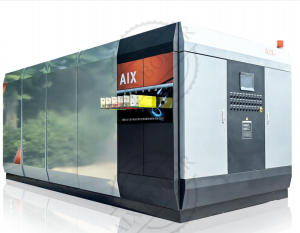
Steam Boilers for Textile Industry – Boiler Philippines Solutions

Introduction to Textile Steam Boilers

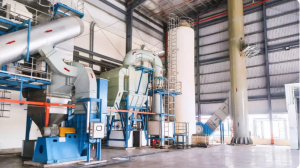
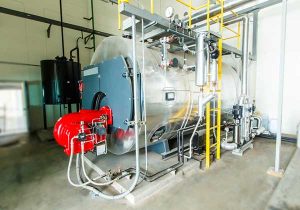
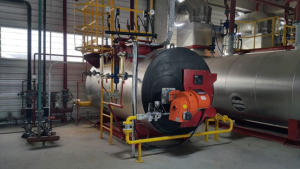
Textile manufacturing becomes significantly more complex without proper industrial steam boilers. High-quality boilers from Boiler Philippines offer:

  • Rapid steam generation
  • Short startup times
  • Quick response to steam demand fluctuations

These features are essential for efficient textile production operations.
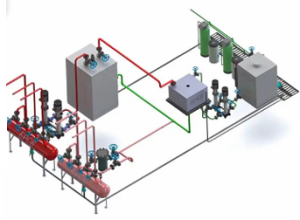
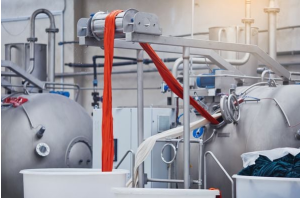
Critical Textile Processes Using Steam

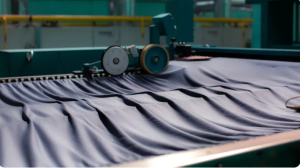
1. Pre-Treatment

The most crucial stage preparing materials for dyeing and finishing:

  • Removes impurities from fabrics
  • Uses pure steam and hot water
  • Requires highly efficient steam boilers

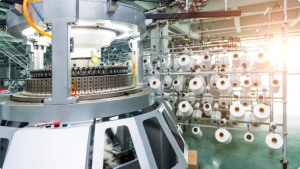
2. Dyeing Process

Steam boilers enable temperature adjustment for various fabrics:

  • Synthetic fibers
  • Silk
  • Wool
  • Nylon
  • Jute
  • Rayon
  • Cotton

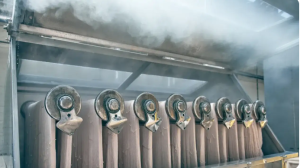
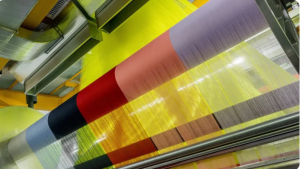
3. Printing Applications

Similar to dyeing but adds patterns/designs:

  • Steam ensures print durability
  • Provides precise heat/moisture control
  • Maintains fabric quality

4. Finishing Touches

Final preparation before sale:

  • Steam finishing for certain fabrics
  • Enhances product quality
  • Improves market readiness

Key Features of Our Textile Boilers

Boiler Philippines offers advanced solutions with:

  • Eco-friendly operation (no pollutants)
  • 98% efficiency rating
  • No separate boiler house required
  • Quiet, clean operation
  • Minimal maintenance requirements
  • Instant steam generation

Steam Properties for Textile Production

Our boilers provide steam that enhances fibers with:

  • Shrinkage resistance
  • Dimensional stability
  • Corrugation resistance
  • Enhanced luminosity
  • Improved dye absorption
  • Better weaving performance

Selection Guide for Textile Boilers

Critical Selection Factors

1. Operational Flexibility

  • Quick start/stop capability
  • Rapid response to demand changes
  • Water tube boilers recommended

2. Maintenance Simplicity

  • Self-diagnosing systems
  • Real-time monitoring
  • Easy troubleshooting

3. Fuel Efficiency

  • Adapts to steam fluctuations
  • Cost-effective long-term operation
  • Verified consumption rates

4. Heating Parameters

  • Matches room requirements
  • Proper pressure/temperature balance
  • Optimized thermal efficiency

Optimization Areas for Textile Boilers

1. Boiler Blowdown Management

  • Controls dissolved solids
  • Prevents foaming/carryover
  • Reduces heat loss
  • Automated systems available

2. Steam Trap Optimization

  • Prevents heat loss
  • Removes condensate efficiently
  • Proper sizing crucial
  • Regular inspection recommended

3. Leak Prevention

  • Reduces energy loss
  • Lowers operational costs
  • Improves system reliability

4. Condensate Recovery

  • Recovers 20-30% heat energy
  • Reduces makeup water needs
  • Lowers fuel consumption
  • Improves overall efficiency

Efficiency Improvement Strategies

1. Feed Water Management

  • Maintains optimal temperature
  • Reduces dissolved gases
  • Ensures continuous supply

2. Advanced Steam Traps

  • Maintains steam line efficiency
  • Prevents moisture accumulation
  • Regular replacement schedule

3. Comprehensive Recovery

  • Maximizes condensate reuse
  • Reduces water treatment costs
  • Lowers energy consumption

4. Automated Systems

  • Automatic blowdown controls
  • Conductivity monitoring
  • Optimized surface management

Why Choose Boiler Philippines?

With decades of experience in textile boiler manufacturing, we offer:

  • Customized energy solutions
  • Premium quality equipment
  • Long-lasting performance
  • Cost-effective operations

Our Product Range

  • Steam Boilers
  • Coal-Fired Boilers
  • Vertical Boilers
  • Electric Steam Boilers
  • Hot Water Boilers
  • Chain Grate Systems

Contact Boiler Philippines

Phone: +86-15896773898

Email: [email protected]

Website: Boiler.PH – Professional Industrial Boiler Supplier
 

Everything You Need to Know About Oil-Fired Hot Water Boilers


A Complete Guide to Oil-Fired Hot Water Boilers

By Boiler Philippines | July 25, 2025

Hot water is a vital need for industries and homes, especially in regions with colder climates. Bulk hot water production is only feasible with an oil-fired hot water boiler system.

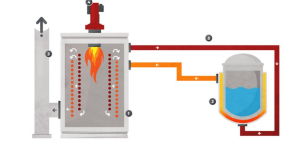
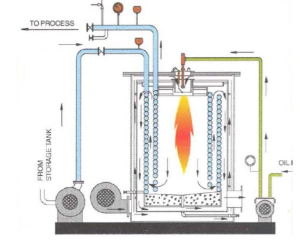
Hot Water boiler Oil Fired System Drawing


What Is an Oil-Fired Hot Water Boiler System?

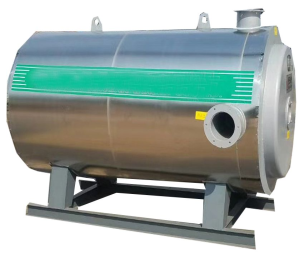
An industrial hot water boiler is a complex network of vessels enclosed in a metal container. It uses heat energy from fuel combustion to raise water temperature, which is then transported through pipes for industrial use.


Design of an Oil-Fired Hot Water Boiler

Unlike commercial systems, industrial boilers do not boil water but heat it to 220°F (beyond the standard boiling point of 212°F) due to increased internal pressure.

Key Design Features:

  • Compact and durable: Made from anti-corrosive metals like stainless steel.
  • Lightweight insulation: Aluminum silicate fiber lining for temperature and pressure resistance.
  • Shape options: Circular, vertical, or horizontal designs.

Components of an Oil-Fired Hot Water Boiler

Every boiler includes these core parts:

  1. Burner: Combusts fuel (oil, gas, or solid) to generate heat.
  2. Heat Exchanger: Transfers heat from combustion to water.
  3. Combustion Chamber: Space where fuel burns continuously.
  4. Control Systems: Automation tools for monitoring temperature, pressure, and alarms.


Accessory Parts (Optional):

  • Economizer
  • Circulation pump
  • Aquastat
  • Feedwater heater
  • Condenser

Types of Industrial Hot Water Boilers

1. Gas-Fired Boilers

  • Fuels: Natural gas, LPG, propane, or butane.
  • Most efficient but costly.

2. Oil-Fired Boilers

  • Fuels: Light oil, heavy oil, kerosene, red diesel.
  • Ideal where piped gas is unavailable.

3. Solid-Fuel Boilers

  • Fuels: Wood, coal, agricultural waste.
  • Lower efficiency but cost-effective.

4. Electric Boilers

  • 98% efficiency; requires stable power supply.


5. Vacuum Boilers

  • Operates under negative pressure for safety.
  • Energy-efficient and versatile for varying temperature needs.


How Does an Oil-Fired Hot Water Boiler Work?

  1. Fuel Intake: Oil is fed into the combustion chamber.
  2. Combustion: Heat is generated and transferred via the heat exchanger.
  3. Water Heating: Water circulates through tubes, absorbing heat.
  4. Distribution: Hot water is pumped to industrial systems.

Advantages of Oil-Fired Hot Water Boilers

  • Safety: Stainless steel construction and pressure-resistant design.
  • High Efficiency: Up to 98% with economizers/condensers.
  • Automation: Smart controls for temperature regulation and leak detection.


Safety Precautions

  • Wear protective gear.
  • Regularly check fuel/water levels and leaks.
  • Never leave the boiler unattended.

Maintenance Steps

  1. Inspect: Fuel lines, water supply, and heat surfaces.
  2. Revise: Professional check every 2 years.
  3. Clean: Remove residue and blockages.

Cost Range

  • Standard boilers: $9,000–$80,000 (capacity-dependent).
  • 5-ton boilers: $55,000–$98,000.


Why Choose Boiler Philippines?

With 40+ years of expertise, we provide:

  • Durable, lightweight boilers with aluminum silicate insulation.
  • Custom temperature control (10°C–90°C).
  • Microcomputerized systems for precision.

Contact us today for a tailored solution!

📧 [email protected]

🌐  http://www.boiler.ph


A Guide to Choosing the Best Boiler Grate Bars for Maintenance

How to Purchase the Right Boiler Grate Bars During Maintenance?

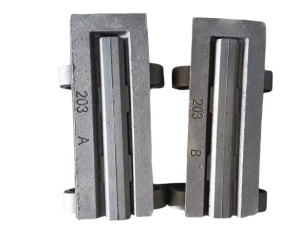
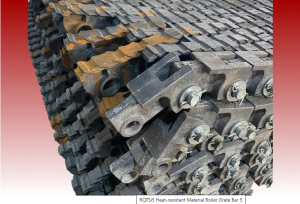
Boiler grate bars are critical components directly involved in fuel combustion, widely used in chain grate steam boilers, hot water boilers, thermal oil boilers, and other thermal equipment. To ensure the boiler operates efficiently, regular inspection and maintenance of the chain grate and its components are essential.

Common Chain Grate Issues and Solutions

  • Chain Grate Movement Failure: Large fuel particles or external forces can cause the grate to jam, leading to intermittent movement or complete stoppage. Severe cases may result in broken fuse links or damaged transmission mechanisms. Immediate inspection and troubleshooting are required


  • Chain and Gear Misalignment:Prolonged operation can cause significant wear, leading to misalignment. Timely chain replacement is necessary.


  • Chain Beam Bending: External forces or overload can bend the beams, requiring immediate replacement.


  • Grate Deviation During Operation: Improper adjustment of the front and rear axles during installation can cause unstable grate movement.


  • Fuel Coking on the Grate: Long-term use of low-quality coal or high-oil-content fuel can lead to caking on the grate surface. Regular cleaning is recommended.

Purchasing New Chain Grate Spare Parts

When replacing essential parts like grate bars, it’s crucial to provide suppliers with accurate details to avoid confusion. Below are key measurements for a 20t/h chain grate steam boiler:

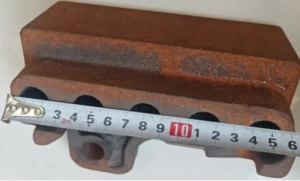
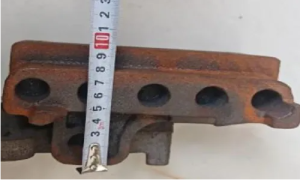
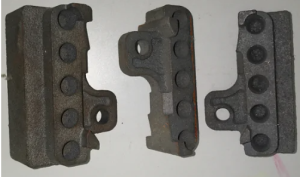
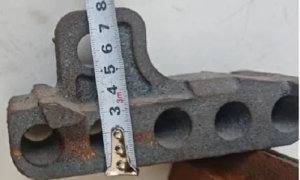
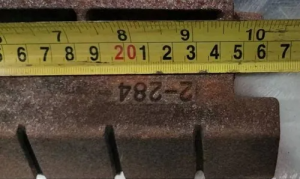
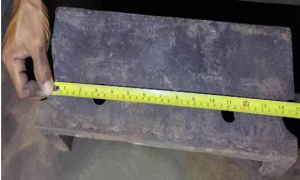
1. Left and Right Boiler Grate Bars

Measure the length, width, height, and positioning dimensions. Note that left and right bars may look similar but have different installation orientations.


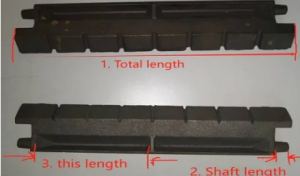
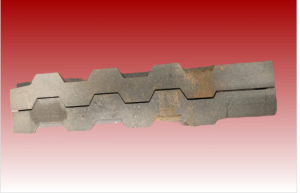
2. Middle Grate Bar

Provide detailed measurements as illustrated.


3. Large Grate (Fish Scale Type)

Due to variations between manufacturers and batches, measure the length, width, height, hole spacing, hole diameter, and other parameters.


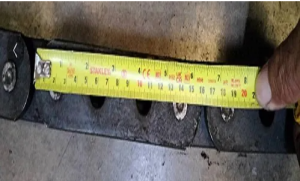
4. Chain

Specify the length, number of sections, thickness, and other requirements. For example, a 20m chain with 125 sections.

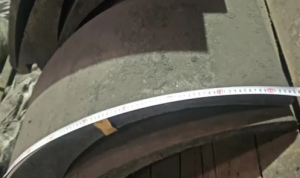
5. Boiler Slag Stopper/Ash Remover

Measure the arc length and the distance between endpoints.

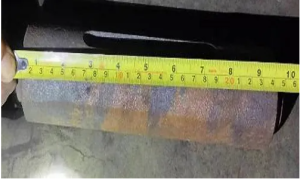
6. Roller

Provide the overall length.

7. Bushing

Include outer and inner dimensions.

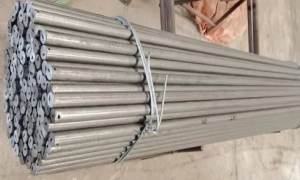
8. Shaft

Specify the dimensions and overall length.

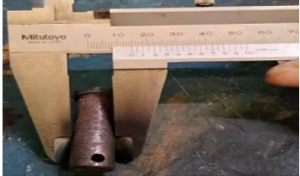
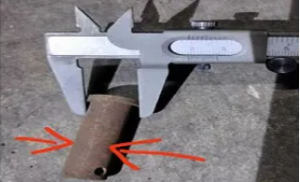
9. Grate Buckle

Provide the end face diameter and connecting part diameter.

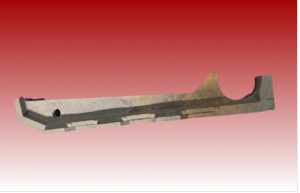
10. Side Seal Plate

Measure the overall length, height, and width, as designs vary.

Summary

By providing the above data to suppliers, you can easily purchase the correct parts. If unsure, feel free to contact Boiler Philippines for professional assistance.

About Boiler Philippines

As a leading boiler manufacturer, we offer high-quality products at competitive prices. Our equipment is rigorously inspected and packaged to ensure superior performance.

Our Products Include:

  • Steam Boilers: Coal-fired, biomass, gas/oil-fired, electric, and more.
  • Thermal Oil Boilers
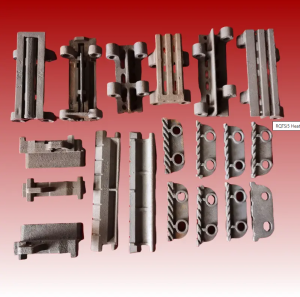
  • Chain Grate Stokers, Grate Bars, and Related Components


For inquiries, contact us:

[email protected]

🌐 www.boiler.ph


Continue reading

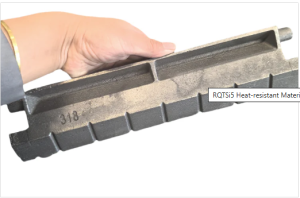
RQTSi5 Grate Bars – Superior Heat Resistance for Industrial Boilers

RQTSi5 Heat-Resistant Boiler Grate Bars: Superior Performance for Demanding Applications

Introduction to RQTSi5 Grate Bars

Boiler Philippines presents RQTSi5, our advanced heat-resistant material for boiler grate bars that outperforms traditional HT150 gray cast iron. Engineered for durability in harsh conditions, RQTSi5 offers extended service life and reduced maintenance downtime.

Key Advantages of RQTSi5 Material

  • Exceptional heat resistance (up to 900°C)
  • Superior thermal fatigue resistance
  • Maintained high-temperature strength
  • Enhanced corrosion resistance
  • Excellent chlorine corrosion protection

Chemical Composition

Component Minimum % Maximum %
Carbon (C) 2.4 3.2
Silicon (Si) 4.5 5.5
Manganese (Mn) 0.7
Phosphorus (P) 0.1
Sulfur (S) 0.03

Mechanical Properties

Form Test Temperature Tensile Strength (MPa) Hardness (HBW)
Casting Room Temp ≥370 228-302
Casting High Temp 67 (short-term)
Casting High Temp 30 (short-term)

Performance Features

1. Outstanding Heat Resistance

  • Withstands temperatures up to 800°C in air furnace gas (900°C at silicon upper limit)
  • Forms protective SiO₂ layer that prevents oxidation
  • Ideal for coal powder burners, furnace strips, and heating applications

2. Superior Thermal Fatigue Resistance

  • Maintains structural integrity through heating/cooling cycles
  • Low thermal expansion coefficient reduces stress cracking
  • Extends service life significantly compared to standard materials

3. High-Temperature Strength

  • Performs reliably at 950-1000°C combustion temperatures
  • Supports heavy loads in waste incineration applications
  • Resists softening and deformation under stress


4. Corrosion Resistance

  • Resists acidic gases (SO₂, HCl) from combustion
  • Handles alkaline ash conditions
  • Optional Mo alloying for enhanced acid resistance

5. Chlorine Corrosion Protection

  • Specialized protection against HCl formation
  • Maintains performance in waste incineration environments
  • Protective surface film prevents direct chloride contact

Applications

  • Coal-fired boilers (Class II bituminous/standard coal)
  • Waste incineration systems
  • Annealing furnaces
  • Heating furnaces
  • Industrial boiler grate systems

Why Choose Boiler Philippines?

  • 40+ years of boiler manufacturing expertise
  • Custom formulations available to meet specific needs
  • Foundry capabilities for specialized requirements
  • Factory-direct pricing with quality assurance
  • Comprehensive support for new installations and replacements

Product Replacement Benefits

  • 1-2 year service life under normal conditions
  • Reduced downtime versus standard materials
  • Improved operational efficiency
  • Lower total cost of ownership

Our Complete Product Range

Fuel Types

  • Coal
  • Biomass
  • Oil
  • Gas
  • Electric

Boiler Types

  • Steam
  • Hot water
  • Thermal oil

System Components

  • Chain grate stokers
  • Reciprocating grates

Specialty Equipment

  • Autoclaves for AAC blocks

Contact Boiler Philippines Today

For RQTSi5 grate bars or any boiler system needs:

Email: [email protected]

Website: www.boiler.ph


Boiler Philippines – Your trusted partner for high-performance boiler solutions since 1985. We guarantee quality equipment at competitive prices, with efficiency ratings up to 98% for oil/gas boilers and 85%+ for coal/biomass systems.