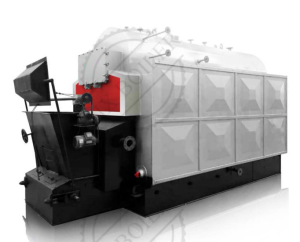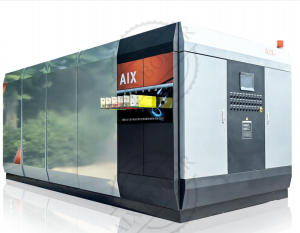
Precision Control Redefined: Exploring Boiler Philippines’ WNS Gas Steam Boiler Panel Components


How Our WNS Gas Steam Boiler Control Panel Works

Boiler Philippines presents cutting-edge WNS series gas steam boiler control panels, engineered for optimal performance and safety in demanding industrial applications.
Intelligent Operation Management

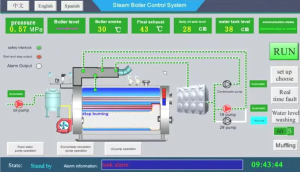
When your gas steam boiler operates, the Boiler control panel collects real-time sensor data to maintain ideal conditions. Our PLC evaluates this data and executes precise commands.

  • Automated water level regulation with dual-color gauge and alarm system
  • Pressure surge protection with safety interlocks
  • Instant response to operational anomalies
Core Components of Boiler Philippines WNS Control Panel

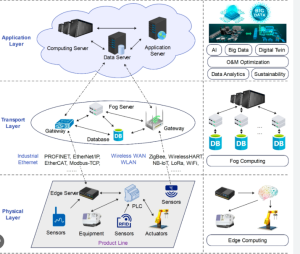
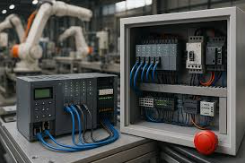
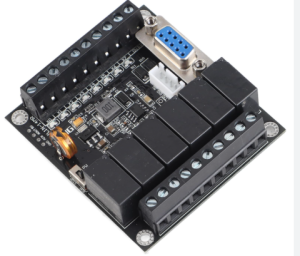
1. PLC Controller

The programmable logic controller serves as the system brain, processing sensor signals and executing control logic for safe, efficient operation.
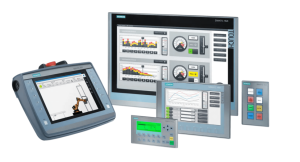
2. Human-Machine Interface (HMI)

Featuring premium touchscreens from Siemens/Schneider, displaying:

  • Real-time pressure/temperature data
  • Water level indicators
  • Exhaust temperature readings
  • Operational status updates


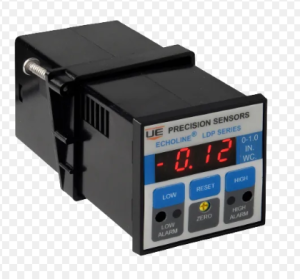
3. Precision Sensors

  • Temperature Sensors: Monitor steam/water/exhaust temperatures (PT100 400℃)
  • Pressure Sensors: 1.6 MPa capacity with pressure controllers
  • Water Level Controller: Prevents dry burning/overflow with real-time monitoring
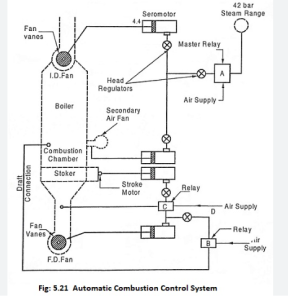
4. Advanced Combustion Control

  • Electronic air-fuel ratio management
  • Emergency shut-off valves
  • Flame detection systems

Safety & Efficiency Assurance

98% Operational Efficiency

Through optimized combustion control

Ultra-Low Emissions

<20ppm NOx with 93.3% combustion efficiency

Rapid Response

5-minute steam capacity achievement

Comprehensive Protection

Pressure relief valves, overheat protection, emergency shutdown

Technical Specifications

Category Specification Details
Control Cabinet Dimensions 1200*1000*550mm
PLC System SR30 CPU + AE08/AE06 modules
HMI Display 10″ Touchscreen
Sensors Temperature Range PT100 200-400℃
Pressure Capacity 1.6 MPa
Response Time <2s for critical alerts
Safety Systems Emission Control <20ppm NOx

Remote Monitoring Capabilities

Optional cloud-connected systems enable:

  • Mobile diagnostics
  • Remote parameter adjustment
  • Predictive maintenance alerts


Why Choose Boiler Philippines?

  • 40+ years industrial boiler expertise
  • ISO-certified manufacturing
  • Customized solutions for Philippine industries
  • Comprehensive after-sales support

Contact Our Engineers Today:

📞 +86 15896773898
📧 [email protected]
 

Everything You Need to Know About Oil-Fired Hot Water Boilers


A Complete Guide to Oil-Fired Hot Water Boilers

By Boiler Philippines | July 25, 2025

Hot water is a vital need for industries and homes, especially in regions with colder climates. Bulk hot water production is only feasible with an oil-fired hot water boiler system.

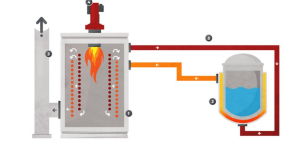
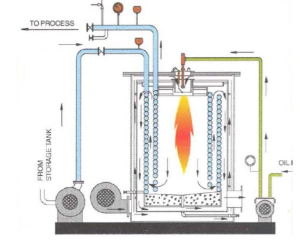
Hot Water boiler Oil Fired System Drawing


What Is an Oil-Fired Hot Water Boiler System?

An industrial hot water boiler is a complex network of vessels enclosed in a metal container. It uses heat energy from fuel combustion to raise water temperature, which is then transported through pipes for industrial use.


Design of an Oil-Fired Hot Water Boiler

Unlike commercial systems, industrial boilers do not boil water but heat it to 220°F (beyond the standard boiling point of 212°F) due to increased internal pressure.

Key Design Features:

  • Compact and durable: Made from anti-corrosive metals like stainless steel.
  • Lightweight insulation: Aluminum silicate fiber lining for temperature and pressure resistance.
  • Shape options: Circular, vertical, or horizontal designs.

Components of an Oil-Fired Hot Water Boiler

Every boiler includes these core parts:

  1. Burner: Combusts fuel (oil, gas, or solid) to generate heat.
  2. Heat Exchanger: Transfers heat from combustion to water.
  3. Combustion Chamber: Space where fuel burns continuously.
  4. Control Systems: Automation tools for monitoring temperature, pressure, and alarms.


Accessory Parts (Optional):

  • Economizer
  • Circulation pump
  • Aquastat
  • Feedwater heater
  • Condenser

Types of Industrial Hot Water Boilers

1. Gas-Fired Boilers

  • Fuels: Natural gas, LPG, propane, or butane.
  • Most efficient but costly.

2. Oil-Fired Boilers

  • Fuels: Light oil, heavy oil, kerosene, red diesel.
  • Ideal where piped gas is unavailable.

3. Solid-Fuel Boilers

  • Fuels: Wood, coal, agricultural waste.
  • Lower efficiency but cost-effective.

4. Electric Boilers

  • 98% efficiency; requires stable power supply.


5. Vacuum Boilers

  • Operates under negative pressure for safety.
  • Energy-efficient and versatile for varying temperature needs.


How Does an Oil-Fired Hot Water Boiler Work?

  1. Fuel Intake: Oil is fed into the combustion chamber.
  2. Combustion: Heat is generated and transferred via the heat exchanger.
  3. Water Heating: Water circulates through tubes, absorbing heat.
  4. Distribution: Hot water is pumped to industrial systems.

Advantages of Oil-Fired Hot Water Boilers

  • Safety: Stainless steel construction and pressure-resistant design.
  • High Efficiency: Up to 98% with economizers/condensers.
  • Automation: Smart controls for temperature regulation and leak detection.


Safety Precautions

  • Wear protective gear.
  • Regularly check fuel/water levels and leaks.
  • Never leave the boiler unattended.

Maintenance Steps

  1. Inspect: Fuel lines, water supply, and heat surfaces.
  2. Revise: Professional check every 2 years.
  3. Clean: Remove residue and blockages.

Cost Range

  • Standard boilers: $9,000–$80,000 (capacity-dependent).
  • 5-ton boilers: $55,000–$98,000.


Why Choose Boiler Philippines?

With 40+ years of expertise, we provide:

  • Durable, lightweight boilers with aluminum silicate insulation.
  • Custom temperature control (10°C–90°C).
  • Microcomputerized systems for precision.

Contact us today for a tailored solution!

📧 [email protected]
🌐  http://www.boiler.ph


A Guide to Choosing the Best Boiler Grate Bars for Maintenance

How to Purchase the Right Boiler Grate Bars During Maintenance?

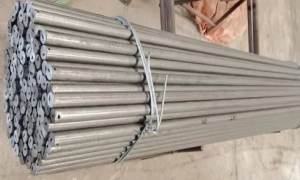
Boiler grate bars are critical components directly involved in fuel combustion, widely used in chain grate steam boilers, hot water boilers, thermal oil boilers, and other thermal equipment. To ensure the boiler operates efficiently, regular inspection and maintenance of the chain grate and its components are essential.

Common Chain Grate Issues and Solutions

  • Chain Grate Movement Failure: Large fuel particles or external forces can cause the grate to jam, leading to intermittent movement or complete stoppage. Severe cases may result in broken fuse links or damaged transmission mechanisms. Immediate inspection and troubleshooting are required


  • Chain and Gear Misalignment:Prolonged operation can cause significant wear, leading to misalignment. Timely chain replacement is necessary.


  • Chain Beam Bending: External forces or overload can bend the beams, requiring immediate replacement.


  • Grate Deviation During Operation: Improper adjustment of the front and rear axles during installation can cause unstable grate movement.


  • Fuel Coking on the Grate: Long-term use of low-quality coal or high-oil-content fuel can lead to caking on the grate surface. Regular cleaning is recommended.

Purchasing New Chain Grate Spare Parts

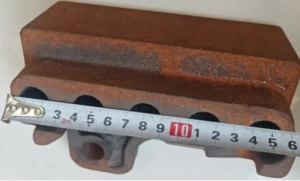
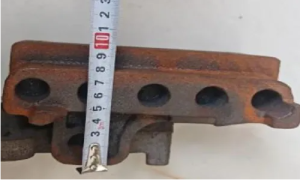
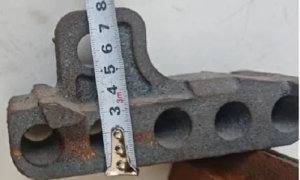
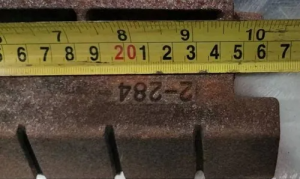
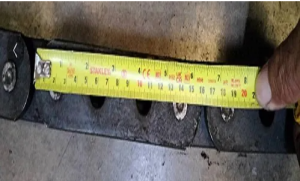
When replacing essential parts like grate bars, it’s crucial to provide suppliers with accurate details to avoid confusion. Below are key measurements for a 20t/h chain grate steam boiler:

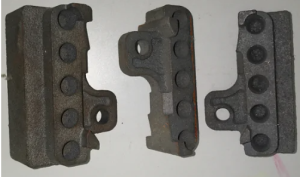
1. Left and Right Boiler Grate Bars

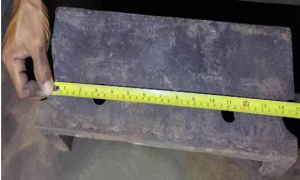
Measure the length, width, height, and positioning dimensions. Note that left and right bars may look similar but have different installation orientations.


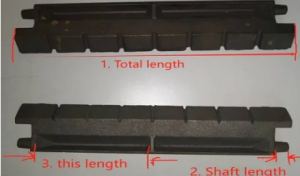
2. Middle Grate Bar

Provide detailed measurements as illustrated.


3. Large Grate (Fish Scale Type)

Due to variations between manufacturers and batches, measure the length, width, height, hole spacing, hole diameter, and other parameters.


4. Chain

Specify the length, number of sections, thickness, and other requirements. For example, a 20m chain with 125 sections.

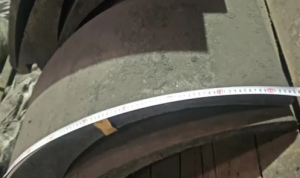
5. Boiler Slag Stopper/Ash Remover

Measure the arc length and the distance between endpoints.

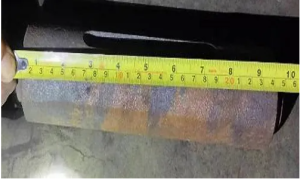
6. Roller

Provide the overall length.

7. Bushing

Include outer and inner dimensions.

8. Shaft

Specify the dimensions and overall length.

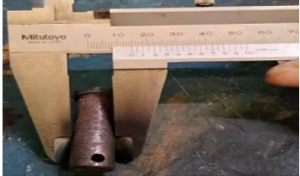
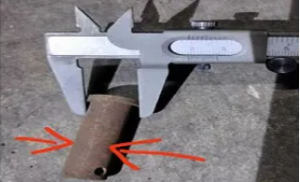
9. Grate Buckle

Provide the end face diameter and connecting part diameter.

10. Side Seal Plate

Measure the overall length, height, and width, as designs vary.

Summary

By providing the above data to suppliers, you can easily purchase the correct parts. If unsure, feel free to contact Boiler Philippines for professional assistance.

About Boiler Philippines

As a leading boiler manufacturer, we offer high-quality products at competitive prices. Our equipment is rigorously inspected and packaged to ensure superior performance.

Our Products Include:

  • Steam Boilers: Coal-fired, biomass, gas/oil-fired, electric, and more.
  • Thermal Oil Boilers
  • Chain Grate Stokers, Grate Bars, and Related Components


For inquiries, contact us:

[email protected]

🌐 www.boiler.ph


Continue reading

Why a Boiler Rental Service is Better Than Buying

When businesses or industries require a boiler for heating or power generation, they often face a crucial decision: should they buy or look for reliable boiler rental service? While purchasing a boiler might seem like a long-term investment, it comes with significant costs and responsibilities. On the other hand, opting for a boiler rental service provides flexibility, cost savings, and operational advantages. Here’s why renting a boiler is a smarter choice than buying.

Cost-Effective Solution

Buying a boiler is a major capital expense that requires a substantial upfront investment. Beyond the purchase price, additional costs such as installation, maintenance, and repairs can add up quickly. Renting, however, offers a more affordable option. A boiler rental service provides businesses with high-quality equipment without the burden of ownership costs. Companies can allocate their funds toward core operations rather than tying up capital in expensive equipment.

No Long-Term Commitment

Industries with seasonal heating needs or short-term projects benefit significantly from renting. Instead of purchasing a boiler that may sit idle during off-seasons, renting allows businesses to pay only for what they need. Whether it’s for a temporary facility, emergency replacement, or planned maintenance, a rental ensures maximum efficiency without long-term financial obligations.

Access to the Latest Technology

Boiler technology is constantly evolving, with newer models offering better efficiency, lower emissions, and advanced automation. Buying a boiler means committing to a single unit for years, potentially missing out on upgrades. A boiler rental service gives businesses access to state-of-the-art equipment without the hassle of obsolescence. When the rental period is over, companies can switch to newer, more efficient models without any sunk costs.

Hassle-Free Maintenance and Repairs

Owning a boiler means being responsible for maintenance, inspections, and unexpected repairs. These tasks can be costly and time-consuming. Most boiler rental services include routine maintenance and technical support, ensuring that equipment stays in peak condition without additional expenses. If an issue arises, rental companies provide immediate replacements or repairs, minimizing downtime.

Quick and Easy Deployment

When an emergency strikes—such as an unexpected boiler failure—businesses need a fast solution to avoid costly downtime. Renting a boiler ensures quick delivery and installation, allowing operations to continue with minimal disruption. Rental providers have pre-packaged, ready-to-use systems that can be deployed within hours, making them an ideal solution for urgent situations.

Scalability and Flexibility

Different projects have different energy demands, and buying a boiler may not always align with fluctuating needs. Renting offers scalability, allowing businesses to upgrade, downsize, or extend their rental period as needed. Whether a company requires additional capacity during peak seasons or a temporary solution during maintenance, renting provides unmatched flexibility.

Conclusion

For businesses seeking efficiency, flexibility, and cost savings, a boiler rental service is the best choice. Renting eliminates hefty upfront costs, offers access to the latest technology, and includes maintenance and support. It’s a hassle-free way to meet heating and power needs without long-term commitments. Whether for an emergency, planned maintenance, or a short-term project, renting a boiler ensures seamless operations while keeping costs in check.

Industrial Steam Generator vs. Steam Boiler, Which is Beneficial for You?

When it comes to choosing between industrial steam generators and steam boilers, understanding the key differences and benefits of each is crucial. Both systems have their specific roles in various industries, from manufacturing to food processing, but knowing which one fits your needs can save you significant costs and enhance operational efficiency. In this article, we will explore the distinctions, applications, and benefits of both systems, helping you make an informed decision. We’ll also highlight key factors to consider when choosing the right steam solution and examine how a steam generator manufacturer in Pakistan could play a pivotal role in your decision-making process.

What is a Steam Generator?

An industrial steam generator is a compact and efficient device designed to produce steam using minimal energy and resources. It is commonly used in applications where a smaller steam output is required. Steam generators are often found in settings such as laundries, food processing plants, hospitals, and small-scale manufacturing industries.

Key Features of a Steam Generator:

  • Compact Size: Steam generators are usually smaller than boilers, making them ideal for locations with limited space.
  • Rapid Start-Up: Due to their compact size and design, steam generators heat up and produce steam much faster than traditional boilers.
  • Energy Efficient: Steam generators are known for their energy efficiency, as they require less fuel and water to operate.
  • Lower Pressure: Steam generators typically produce steam at a lower pressure, which is ideal for applications that don’t require high-pressure steam.

What is a Steam Boiler?

On the other hand, steam boilers are large, heavy-duty systems designed to generate large volumes of steam under higher pressure. They are commonly used in industries that require significant steam production, such as power generation, oil refineries, chemical manufacturing, and large-scale food processing plants.

Key Features of a Steam Boiler:

  • Large Capacity: Boilers can produce a large quantity of steam, making them suitable for heavy industrial processes.
  • High Pressure: Steam boilers can generate high-pressure steam, essential for certain applications like power generation and chemical processes.
  • Durable and Long-Lasting: Due to their robust construction, steam boilers are known for their long operational life, often lasting decades with proper maintenance.
  • Continuous Steam Supply: Steam boilers can provide a constant and reliable supply of steam, which is vital for continuous industrial processes.

Key Differences Between a Steam Generator and a Steam Boiler

Understanding the main differences between these two systems is critical for selecting the right equipment for your specific industrial needs.

1. Size and Footprint

Steam generators are much smaller than steam boilers. This makes them ideal for industries with limited space or mobile operations. In contrast, steam boilers are large and require a substantial amount of space for installation and operation.

2. Steam Output and Pressure

Steam boilers are designed to produce large quantities of high-pressure steam, suitable for heavy industrial applications. Steam generators, however, produce smaller amounts of steam at lower pressure, which works well for applications like sterilization or small-scale production.

3. Energy Consumption

Since steam generators are designed to be energy efficient, they consume less fuel and water compared to traditional boilers. Steam boilers, while efficient for large-scale operations, require more resources to maintain high-pressure steam production.

4. Maintenance

Steam generators, due to their simpler design and lower operating pressures, generally require less maintenance compared to steam boilers. Boilers, especially those operating at high pressure, require more frequent inspections and ongoing maintenance to ensure safe and efficient operation.

Advantages of Steam Generators

Steam generators offer several benefits, especially for industries that do not require high-pressure steam or large steam outputs. Here are some advantages of using a steam generator:

  • Cost-Effective: For industries with lower steam demands, steam generators can be more economical in terms of both initial investment and operational costs.
  • Energy Efficiency: Steam generators typically have higher energy efficiency, meaning they consume less fuel and water, reducing operational expenses.
  • Flexibility: Because of their compact size and faster start-up times, steam generators can be more easily integrated into existing systems or used for specific applications.
  • Lower Environmental Impact: With lower fuel consumption and higher efficiency, steam generators often have a smaller environmental footprint compared to large boilers.

Advantages of Steam Boilers

For industries requiring large quantities of steam at high pressure, steam boilers are often the more beneficial option. Here are the key advantages of steam boilers:

  • High Steam Output: Boilers are capable of producing large amounts of steam, making them indispensable for industries like power generation and chemical manufacturing.
  • Durability and Reliability: With proper maintenance, steam boilers can operate reliably for decades, providing consistent steam output.
  • Versatility: Steam boilers are suitable for a wide range of industrial applications, from energy production to heating large facilities.

Which Option is Best for Your Industry?

The choice between a steam generator and a steam boiler depends on your specific industry needs. If you operate in an industry that requires high-pressure steam and continuous operation, such as energy production or chemical processing, a steam boiler is likely the better option. However, if your operations involve lower steam requirements or require a more energy-efficient and space-saving solution, a steam generator may be more suitable.

Industries such as food processing, hospitality, or healthcare may benefit more from the flexibility and efficiency of a steam generator. On the other hand, industries requiring massive and continuous steam output, like oil refineries and large manufacturing plants, will find the durability and power of steam boilers more advantageous.

Conclusion

When deciding between a steam generator and a steam boiler, it’s essential to evaluate the specific needs of your industry. Whether it’s the compact design and energy efficiency of a steam generator or the high capacity and durability of a steam boiler, each system has its unique advantages.

For those looking to invest in reliable steam equipment, partnering with a reputable steam generator manufacturer in Pakistan can provide the tailored solutions you need. By understanding the differences and benefits of each system, you can ensure a more efficient and cost-effective steam solution for your industrial processes.

Main Differences Between Industrial Steam Generators and Steam Boilers

In the world of industrial steam production, understanding the distinction between steam generators and steam boilers is crucial. Both devices serve the same primary purpose: generating steam for various industrial applications. However, their operational mechanisms, efficiency, size, and suitable applications can vary significantly. For businesses and industries in Pakistan, choosing the right equipment from a reliable steam generator manufacturer in Pakistan or steam boiler manufacturer Pakistan is key to optimizing performance and efficiency. In this blog, we’ll delve into the main differences between industrial steam generators and steam boilers, providing insights to help you make an informed decision.

What are Industrial Steam Generators?

Industrial steam generators are advanced devices designed to produce steam quickly and efficiently. They are typically smaller and more compact than traditional steam boilers, making them ideal for facilities with limited space. Steam generators use a high-pressure water feed system, which allows them to produce steam almost instantly.

Key Features of Industrial Steam Generators:
  1. Quick Start-Up Time: Steam generators can reach full operating capacity in minutes, which is significantly faster than traditional boilers.
  2. Compact Size: Their smaller footprint makes them suitable for industries with space constraints.
  3. Efficiency: Steam generators are known for their high efficiency, often operating at efficiencies above 90%.
  4. Safety: Advanced safety features reduce the risk of accidents and ensure reliable operation.
  5. Application Flexibility: They are commonly used in industries requiring rapid steam production, such as food processing, pharmaceuticals, and small-scale power generation.

What Are Industrial Steam Boilers?

Steam boilers are traditional steam-producing systems used in various industries. They operate by heating water within a closed vessel, creating steam through a process of heat exchange. Steam boilers are typically larger and can handle higher volumes of steam production compared to steam generators.

Key Features of Industrial Steam Boilers:
  1. High Capacity: Steam boilers can produce large volumes of steam, making them suitable for heavy-duty industrial applications.
  2. Versatility: They can burn various fuels, including coal, oil, natural gas, and biomass.
  3. Durability: Boilers are robust and designed to withstand high pressures and temperatures.
  4. Consistency: Steam boilers provide a steady and continuous supply of steam, which is essential for processes requiring constant steam pressure.
  5. Wide Range of Applications: They are widely used in power plants, chemical processing, paper manufacturing, and large-scale heating systems.

Comparing Industrial Steam Generators and Steam Boilers

1. Operational Mechanism
  • Steam Generators: Utilize a high-pressure water feed system for rapid steam production. The water is converted to steam almost instantaneously.
  • Steam Boilers: Operate by heating water within a closed vessel, with steam generated through heat exchange over a longer period.
2. Size and Space Requirements
  • Steam Generators: Compact and space-efficient, ideal for facilities with limited space.
  • Steam Boilers: Larger and require more space, suitable for industries with ample installation area.
3. Efficiency
  • Steam Generators: Generally more efficient, with operational efficiencies often exceeding 90%.
  • Steam Boilers: Efficiency can vary but is typically lower than that of steam generators.
4. Start-Up Time
  • Steam Generators: Quick start-up time, reaching full capacity in minutes.
  • Steam Boilers: Longer start-up time, requiring more time to reach full operational capacity.
5. Fuel Flexibility
  • Steam Generators: Often designed for specific fuels, mainly electricity or natural gas.
  • Steam Boilers: Can burn a variety of fuels, offering more flexibility in fuel choice.
6. Applications
  • Steam Generators: Ideal for applications needing rapid steam production and limited space, such as food processing and pharmaceuticals.
  • Steam Boilers: Suitable for large-scale, continuous steam supply applications like power plants and industrial manufacturing.

Choosing the Right Equipment in Pakistan

For businesses in Pakistan, selecting the appropriate steam-producing equipment is vital for operational efficiency and cost-effectiveness. Whether you need a steam generator or a steam boiler, working with a reputable steam generator manufacturer in Pakistan or a reliable supplier of steam boilers in Pakistan can make all the difference.

Key Considerations:
  1. Application Requirements: Assess the specific needs of your application, including steam volume, pressure, and consistency.
  2. Space Constraints: Consider the available installation space and choose equipment that fits your facility.
  3. Fuel Availability: Determine the most cost-effective and readily available fuel source for your operation.
  4. Efficiency Needs: Evaluate the efficiency requirements of your process to minimize operational costs.
  5. Safety Standards: Ensure the equipment meets safety regulations and standards for your industry.

Conclusion

Understanding the main differences between industrial steam generators and steam boilers is crucial for making an informed decision that aligns with your operational needs. Both have their unique advantages and are suited to different industrial applications. By considering factors such as efficiency, space, start-up time, and application requirements, you can choose the right equipment for your business. Partnering with a trusted steam generator manufacturer in Pakistan or steam boiler manufacturer in Pakistan will ensure you receive quality equipment tailored to your specific needs, enhancing your operational efficiency and productivity.

Troubleshooting Common Issues With Boilers

Industrial steam boilers are integral to various manufacturing and processing operations, providing essential steam for heating, power generation, and industrial processes. However, like any complex machinery, steam boilers can encounter problems that disrupt operations. In this blog post, we’ll explore some common issues that can arise with industrial steam boilers and provide troubleshooting tips to help resolve them.

Uneven Heating or Insufficient Steam Production

Issue: Inconsistent heating or insufficient steam production can disrupt industrial processes and reduce efficiency.

Troubleshooting Tip: Inspect and clean the boiler’s heat exchanger, tubes, and combustion chamber to ensure they are free from scale, soot, or debris that can impede heat transfer. Verify that the burner is functioning correctly, and adjust the air-to-fuel ratio if necessary. Additionally, check the water level and pressure to ensure they are within the specified range.

Water Leaks

Issue: Water leaks can result from damaged valves, fittings, or piping, leading to water wastage and potential damage to the boiler and surrounding equipment.

Troubleshooting Tip: Identify the source of the leak and repair or replace the damaged component promptly. Ensure that all connections are properly sealed and that gaskets and packing materials are in good condition.

High Energy Consumption

Issue: Excessive energy consumption can significantly impact operational costs and may indicate inefficient boiler performance.

Troubleshooting Tip: Check for leaks in the steam distribution system, as escaping steam can lead to increased energy consumption. Inspect and clean the heat exchanger and combustion system to improve boiler efficiency. Implement regular boiler maintenance and consider upgrading to a more energy-efficient model if necessary.

Low Water Levels and Boiler Dry Firing

Issue: Low water levels or dry firing can damage the boiler and pose safety risks.

Troubleshooting Tip: Monitor water levels closely and ensure that the boiler’s low-water cutoff system is functioning correctly. If water levels are low, immediately shut down the boiler to prevent dry firing. Investigate and rectify the cause of low water levels, such as leaks or improper feedwater control.

Conclusion

Regular maintenance and prompt troubleshooting are essential for ensuring the reliable and efficient operation of industrial steam boilers. By addressing common issues promptly and implementing preventive maintenance measures, you can minimize downtime, reduce operational costs, and extend the lifespan of your boiler system while maintaining safety and compliance with environmental regulations.

Role of Accessories in Steam Boiler Operations

Industrial steam boilers are complex systems that play a crucial role in various manufacturing processes. To ensure their optimal performance, safety, and efficiency, a range of accessories is employed alongside these boilers. In this blog post, we’ll explore the vital role that accessories play in industrial steam boiler operations and how they contribute to the smooth functioning of these essential components.

Pressure and Temperature Control

Pressure and temperature control accessories are fundamental to maintaining safe and efficient boiler operations. Pressure gauges and temperature sensors allow operators to monitor and control these critical parameters within specified ranges. These accessories ensure that the boiler operates within safe limits and produces steam at the desired temperature and pressure levels, essential for various industrial processes.

Safety Valves

Safety valves are perhaps the most critical safety accessory for steam boilers. They serve as the last line of defense against overpressure, preventing catastrophic failures. When the boiler pressure exceeds a set limit, safety valves release excess steam to prevent explosions or damage to the boiler. Regular testing and maintenance of these valves are essential to ensure they function correctly.

Water Level Control System

Maintaining the correct water level inside the boiler is essential for safe and efficient operations. Water level control systems use sensors to monitor and regulate water levels. These systems prevent dry firing, where the boiler operates without adequate water, which can lead to severe damage. Conversely, they also prevent overfilling, ensuring the right balance between steam production and water supply.

Feedwater Systems

Feedwater systems are responsible for supplying water to the boiler. These systems include pumps, tanks, and controls that ensure a consistent and high-quality water supply. Properly treated and deaerated feedwater helps prevent scale buildup, corrosion, and other issues that can reduce boiler efficiency and lifespan.

Conclusion

Industrial steam boiler accessories are the unsung heroes of efficient and safe operations. They provide precise control over critical parameters, ensure safety, and protect against damage and inefficiencies. Investing in high-quality accessories and implementing regular maintenance and testing procedures is essential for the long-term performance and reliability of industrial steam boilers. These accessories not only safeguard your operations but also contribute to cost savings and environmental compliance.

Ensuring Longevity and Performance of Boiler

Industrial steam boilers are the workhorses of many manufacturing and processing operations, providing the essential steam needed for various processes. To ensure these critical pieces of equipment function reliably and efficiently for years to come, proactive maintenance is paramount. In this blog post, we’ll explore the key aspects of industrial steam boiler maintenance and how it can guarantee longevity and optimal performance.

Regular Inspections

Routine inspections are the cornerstone of boiler maintenance. Regularly scheduled inspections can identify potential issues before they escalate into costly breakdowns. Here’s what to focus on during inspections:

  • Pressure and Temperature Controls: Ensure that pressure and temperature controls are functioning correctly to prevent overpressure or overheating.
  • Water Level: Maintain proper water levels to prevent dry firing, which can damage the boiler.
  • Safety Valves: Test safety valves to ensure they operate within specified pressure limits.
  • Burner and Combustion System: Inspect burners for proper ignition and flame patterns, and clean them if necessary.

Water Treatment

Proper water treatment is essential to prevent scale buildup, corrosion, and fouling inside the boiler. Implement a water treatment program that includes regular testing and treatment of boiler feedwater to maintain water quality within acceptable limits.

Cleanliness is Key

A clean boiler is an efficient boiler. Regularly clean the boiler’s tubes, flues, and combustion chamber to remove soot, ash, and other debris that can impede heat transfer and reduce efficiency.

Lubrication

Don’t overlook the importance of lubrication for moving parts such as fans, pumps, and motors. Proper lubrication can extend the life of these components and reduce the risk of breakdowns.

Conclusion

Ensuring the longevity and performance of industrial steam boilers requires a proactive and comprehensive maintenance program. Regular inspections, proper water treatment, cleanliness, and a well-trained staff are all critical elements. By prioritizing maintenance and staying informed about best practices, you can maximize the lifespan of your industrial steam boiler while maintaining its efficiency and safety. Remember that a well-maintained boiler not only reduces downtime but also contributes to overall operational efficiency and cost savings.

Choosing the Right Industrial Steam Boiler

When it comes to industrial steam boilers, making the right choice is crucial for ensuring optimal efficiency, safety, and performance. Selecting the appropriate steam boiler for your industrial needs requires careful consideration of several key factors. In this buyer’s guide, we’ll walk you through the essential aspects to keep in mind when making this important decision.

Define Your Requirements

Before diving into the world of steam boilers, it’s essential to determine your specific requirements. Consider factors such as:

  • Capacity: How much steam do you need? This depends on the size and demands of your industrial processes.

  • Pressure: What pressure level is suitable for your operations? High or low-pressure steam boilers serve different purposes.

  • Fuel Type: Decide whether you want a boiler that runs on natural gas, diesel, biomass, or other fuels, based on cost, availability, and environmental concerns.

Evaluate Efficiency

Efficiency plays a significant role in your operational costs. Look for boilers with high thermal efficiency ratings. Modern boilers often feature advanced technologies like condensing heat exchangers and intelligent control systems to maximize efficiency and minimize fuel consumption.

Consider Emissions and Environmental Impact

Environmental regulations are becoming increasingly stringent. Ensure your chosen steam boiler meets emissions standards and is eco-friendly. Some models incorporate low NOx burners or alternative fuel options to reduce environmental impact.

Safety Features

Safety is paramount when dealing with industrial steam boilers. Look for safety features like pressure relief valves, water level control systems, and combustion safeguards to prevent accidents and protect your employees and equipment.

Conclusion

Selecting the right industrial steam boiler is a critical decision that can impact your operations and bottom line significantly. By carefully assessing your needs, considering efficiency and safety, and researching reputable manufacturers, you can make an informed choice that ensures smooth and efficient industrial processes while also adhering to environmental regulations. Remember that the right boiler should not only meet your current requirements but also provide flexibility for future growth and changes in your industrial processes.