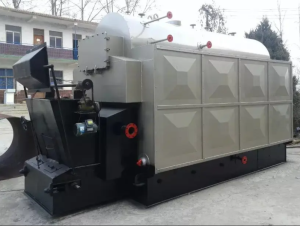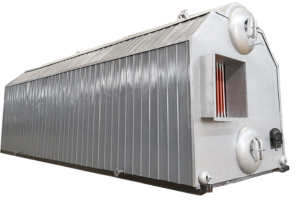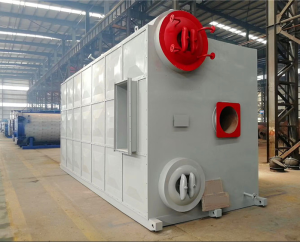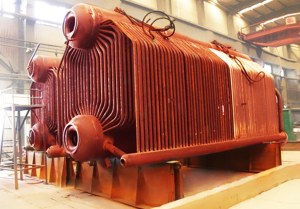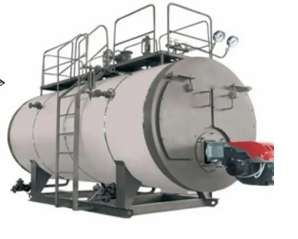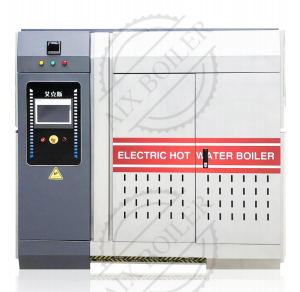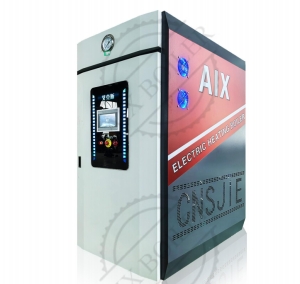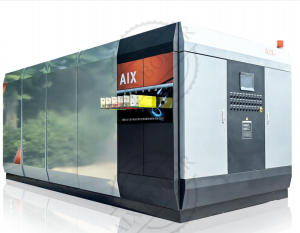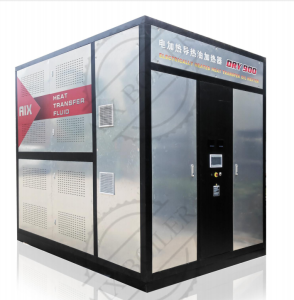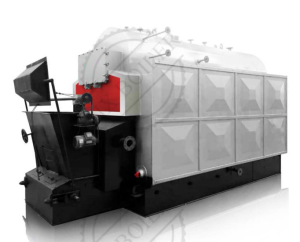
Which is More Energy Efficient: Steam Boilers or Thermal Oil Heaters?

Steam boilers and thermal oil heaters are among the most commonly used heating systems in industrial applications. However, many face uncertainty when choosing between these systems based on energy efficiency. This article will help clarify these concerns by examining key comparison factors.

Understanding Energy Efficiency in Boilers

Energy efficiency has become a fundamental characteristic of modern boiler systems. But what exactly does “energy efficient” mean in industrial boiler context?

An energy efficient boiler maximizes output while minimizing energy input. Some boilers may use more energy to generate heat but less to transfer it, while others might generate heat efficiently but lose energy during transfer. The most efficient systems optimize both generation and transfer processes.

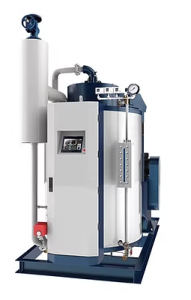
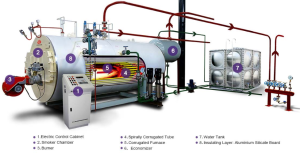
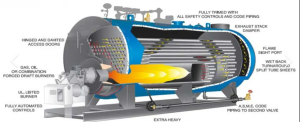
Steam Boiler Systems

Steam boilers generate energy by heating water beyond its boiling point, converting liquid water into steam. The steam then transfers heat throughout the system.

Advantages:

  • Excellent heat transfer capabilities
  • Well-established technology with widespread industry knowledge
  • Suitable for applications requiring large amounts of instantaneous energy

Disadvantages:

  • Prone to corrosion from oxygen, foaming water, and reactive waste
  • Mineral deposits and scale buildup reduce efficiency over time
  • Requires regular maintenance and water treatment
  • Vulnerable to freezing in cold conditions
  • Operates under high pressure, requiring safety precautions
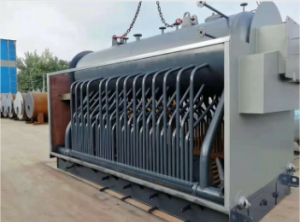
Thermal Oil Heater Systems

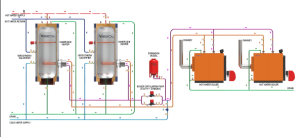
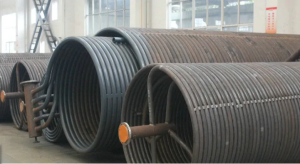
Thermal oil heaters generate energy from hot combustion byproducts firing over a helical coil. The system heats fluid through particle emission and convection, circulating it in a closed loop without phase change.

Advantages:

  • Operates at high temperatures with low pressure
  • No corrosion issues (closed system with no water)
  • No mineral deposits or scaling
  • Resistant to freezing temperatures
  • Doesn’t require water treatment or steam traps
  • Generally safer with lower explosion risks

Disadvantages:

  • Higher flue gas temperatures indicate some energy loss
  • Less suitable for applications needing instantaneous large energy bursts
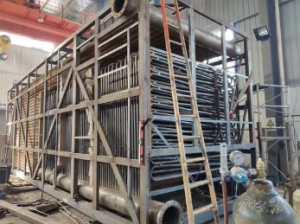
Key Efficiency Comparison Factors

1. Corrosion Resistance

Steam boilers are prone to corrosion from water and chemicals, while thermal oil systems are completely non-corrosive. Corrosion significantly impacts energy efficiency by degrading components over time.

2. Performance in Cold Conditions

Steam boilers require frequent winter maintenance and are vulnerable to freezing damage. Thermal oil systems perform reliably in cold weather without special precautions.

3. Operating Pressure

Steam systems generate high pressure that increases exponentially with temperature, requiring safety measures and dedicated operators. Thermal oil systems operate at low or no pressure, reducing risks and operational costs.

4. Operating Temperature

While thermal oil systems can operate at higher temperatures (typically around 300°C for organic oils), they have higher flue gas temperatures (~350°C) compared to steam systems (~200°C), indicating greater heat loss.
Technical Specifications Comparison

Steam Boiler Specifications

Boiler Model Capacity (ton/h) Rated Pressure (MPa) Steam Temperature (°C) Design Efficiency (%)
SZL6-1.25/1.6-AII 6 1.25/1.6 193/204 80.11/79.44
SZL10-1.25/1.6-AII 10 1.25/1.6 193/204 80.55/80.28
SZL20-1.25/1.6-AII 20 1.25/1.6 193/204 81.09/80.77

Thermal Oil Heater Specifications

Model Rated Power (KW) Thermal Efficiency (%) Design Pressure (MPa) Temperature (°C)
(Y(Q)L)(W)-120-YQ 120 ≥75% 1.0 350
(Y(Q)L)(W)-1000-YQ 1000 ≥75% 1.0 350
(Y(Q)L)(W)-3500-YQ 3500 ≥80% 1.0 350

Which System is More Energy Efficient?

After comparing both systems, thermal oil heaters generally demonstrate better energy efficiency due to:

  • Ability to operate at high temperatures with low pressure
  • Superior performance in extreme conditions
  • Corrosion resistance that prevents energy loss
  • Lower operational pressure reducing energy requirements

However, steam boilers remain preferable for applications requiring large instantaneous energy output. The optimal choice depends on your specific operational requirements and conditions.
Why Choose Boiler Philippines?

Boiler Philippines offers both high-quality steam boilers and thermal oil heaters with these advantages:

  • Advanced regulation mechanisms for optimal heat efficiency
  • Compact designs that save space while maximizing efficiency
  • Automated detection, regulation, and alarm systems
  • Simplified heating systems that reduce maintenance requirements
  • Efficiency-promoting coil structures and heating surfaces
  • Air-preheaters that boost overall system efficiency

Our technical team can assess your specific needs to recommend the most energy-efficient solution for your application.
About Boiler Philippines

Boiler Philippines is a leading provider of industrial heating solutions with decades of experience in both steam boilers and thermal oil systems. Our team is dedicated to delivering the most energy-efficient solutions tailored to your specific requirements.

For more information or consultation, visit our website: www.boiler.ph


Chain Grate Stoker Burnout Problems and Solutions

Understanding and resolving common chain grate stoker burnout issues in industrial boilers

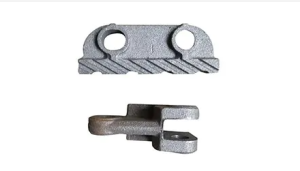
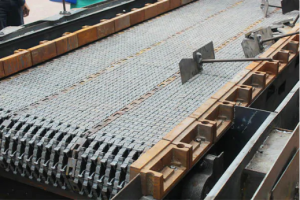
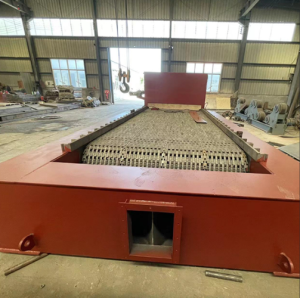
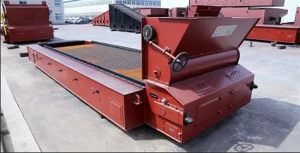
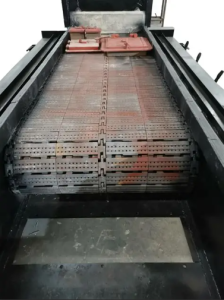
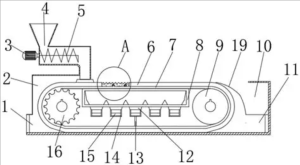
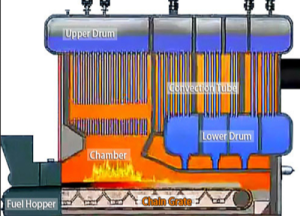
Chain grate stokers are essential components of industrial boilers, responsible for stacking solid fuel and enabling efficient combustion. The horizontal chain grate stoker consists of alternating fixed boiler grate bars and movable heating furnace grate bars, with each set of grate bars positioned on the same plane.

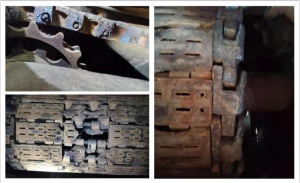
While their advantages include low fuel quality requirements and automatic fire management, significant drawbacks exist. During regular industrial boiler inspections, we frequently encounter severe burn-through and deformation of horizontal grates, with some requiring replacement after just a few months of operation. These issues directly impact production efficiency.

Case Study: SZL10-1.0-AII Industrial Steam Boiler

This boiler plant was manufactured in December 2019 and began operation in December 2021. All pre-commissioning instrument checks indicated good furnace condition and normal stoker operation. After two years of operation, significant grate problems emerged.

Extensive burn deformation severely affected production, with the shortest replacement interval being just three months. Upon inspection, removed grate fragments showed severe corrosion, with some grate bars reduced to just 2/3 or less of their original length.

Factors Affecting Chain Grate Stoker Burnout

1. Fuel Selection

Chain grate stokers are suitable for medium-low volatile bituminous coal, inferior coal, lignite, and biomass fuels with low calorific value (below 5000 kcal/kg).

The coal used in this case had a calorific value of about 5500 kcal/kg, which is too high for horizontal chain grate stokers. Certain coals like coking coal, gas coal, lean coal, and lignite tend to cake easily, exacerbating grate problems.

2. Chain Grate Stoker Design

The design significantly impacts fuel combustion through several aspects:

  • Grate bar material: The RQTAI5Si heat-resistant cast iron specified wasn’t used – instead IT150 material was substituted, which cannot withstand the maximum working temperature of 900°C.
  • Grate bar size: While geometric dimensions and overlapping methods met specifications, material issues remained problematic.
  • Ventilation: Proper spacing between grate bars and moderate coal particle size are crucial to prevent carbon particle blockage that hinders cooling.

3. Grate Bar Manufacturing Process

While current casting technology achieves good yields with smooth surfaces free of defects like blowholes, material selection remains critical for longevity.

4. Boiler Operation Management

Several operational factors contribute to grate burnout:

  • Improper coal bed thickness and stoker travel speed
  • Failure to promptly remove fine ash accumulation in air chambers
  • Poor grate ventilation due to excessive coal bed density
  • Inadequate ventilation in high-temperature zones
  • Excessive furnace positive pressure or strong arch reflection
  • Improper shutdown procedures allowing coal to burn on the grate

Root Causes of Grate Burnout

Three primary factors were identified in this case:

  1. Incorrect grate bar material selection (failure to use RQTSi5 material in main combustion zones)
  2. Long-term positive pressure combustion affecting primary air and grate cooling
  3. Excessive temperature at the coal-grate contact point due to poor cooling

These issues created a vicious cycle that significantly shortened grate lifespan and caused unnecessary economic losses.

Recommended Solutions

  1. Replace main combustion zone grate bars with RQTSi5 material to improve heat resistance
  2. Use bituminous coal with lower calorific value (~4000 kcal/kg)
  3. Mix coal with slag or use coal blends to improve combustion and maintain negative pressure operation
  4. Ensure proper grate cooling through optimal coal bed thickness and stoker travel speed

Implementing these measures will extend grate lifespan and ensure safe, stable boiler operation.

About Boiler Philippines

Boiler Philippines is a leading steam boiler provider with decades of experience in supplying optimal steam boiler systems. Our team is dedicated to providing the most economical steam boiler solutions for various industries.

For more technical information and boiler solutions, visit our website: www.boiler.ph


The Complete Guide to Industrial Boiler Capacity Calculation

Introduction

When purchasing or replacing an industrial boiler, one critical question arises: “What boiler capacity does my operation require?” Simply replacing your current boiler with a similar model isn’t always the best solution. Proper research and calculations are essential to avoid investing in an inefficient system that could compromise your productivity.

This comprehensive guide will walk you through methods to measure steam and hot water boiler capacity, highlight common sizing issues, and introduce helpful calculation tools to determine your ideal industrial boiler requirements.

Understanding Boiler Types and Their Capacity Requirements

Industrial operations typically use either hot water boilers or steam boilers, each with different capacity considerations:

Steam Boiler Capacity Factors

  • Fuel input requirements
  • Operating hours
  • Load curve (in lbs/hour of steam)
  • Working pressure

Hot Water Boiler Capacity Factors

  • Circulation medium (water or glycol mixture)
  • Working pressure
  • Fuel input
  • Load curve and temperature limits

The Risks of Improper Boiler Sizing

Problems With Oversized Boilers

  • Excessive fuel consumption leading to budget overruns
  • Increased thermal fatigue on system components
  • Reduced efficiency from constant cycling
  • Higher maintenance and labor requirements
  • Generation of more heat than the system can effectively use

Problems With Undersized Boilers

  • Inability to meet production demands
  • Requirement for extended operating shifts
  • Risk of catastrophic failure from overloading
  • Premature need for replacement

Units for Measuring Boiler Capacity

Boiler Horsepower (BHp)

The capacity of a boiler to generate steam from water. Defined as the thermal energy required to convert 34.5 pounds (15.6 kg) of water into steam at 212°F (100°C) in one hour.

BHp × 34.5 = lbs of steam per hour
lbs of steam ÷ 34.5 = BHp

BTU/Hour

British Thermal Unit – measures heat energy. One BTU raises one pound of water by 1°F. Industrial boilers typically require capacities above 135,000 BTU/h.

Specific Heat

The amount of heat required to raise a material’s temperature. Crucial for understanding fuel performance in boiler operations.

Specific Gravity

The ratio of a material’s density to that of a reference substance (usually water). Helps evaluate fuel properties.

Density

Mass per unit volume. Understanding fuel density helps estimate boiler capacity requirements.

ρ = m/V (where ρ is density, m is mass, V is volume)

Delta T (ΔT)

The temperature difference in a system. Critical for heat dissipation calculations and system safety.

Gallons Per Minute (GPM)

Measures liquid flow rate. Essential for determining production capacity requirements.

Boiler Capacity Calculators

1. Boiler Horsepower Calculator

Converts steam loads (lbs/hour) into boiler horsepower. Simply input your steam load and the calculator divides by 34.5 to determine the required thermal energy at 212°F.

2. BTU/HR to Boiler Horsepower Calculator

Works for both steam and hot water boilers. Converts heat transfer input to BHp by dividing BTU/h by 33,475 (the amount of steam produced by one boiler horsepower).

3. Boiler BTU Calculator (Given Flow and ΔT)

Calculates boiler capacity based on liquid flow and temperature change. Requires inputs of GPM, ΔT, specific heat, specific gravity, and density values.

Conclusion

Accurate industrial boiler capacity calculation is essential for meeting production demands, optimizing efficiency, and protecting your investment. This guide has provided the key concepts and calculation methods to help you determine your perfect boiler size.

For professional assistance in selecting and sizing your industrial boiler system, contact our engineering team today.

Contact Our Boiler Experts


© 2025 Boiler Philippines. All rights reserved.

www.boiler.ph | Your Trusted Industrial Boiler Solutions Provider

Advanced Water Tube Steam Boiler Systems | Boiler Philippines

About Boiler Philippines

Boiler Philippines is a leading manufacturer of water tube steam boilers with decades of experience in the industry. Our boilers are designed for optimal performance, energy efficiency, and long service life.

Our Water Tube Boiler Products

DZL Series (1-10 ton/hour)

Compact water tube boilers perfect for small to medium operations. Features manual feeding system with low overall equipment requirements.

Request Quote

SZL Series (6-40 ton/hour)

Chain grate stoker boilers suitable for coal or biomass fuels. Designed for continuous operation with high thermal efficiency.

Request Quote

SZS Series (2-50 ton/hour)

Oil/gas fired water tube boilers with superior heat transfer efficiency. Our most popular model for industrial applications.

Request Quote

Why Choose Our Water Tube Boilers?

  • Fuel Flexibility: Compatible with coal, biomass, oil, gas and other fuels
  • High Pressure Capacity: Can withstand working pressure up to 555 psi
  • Energy Efficient: Thermal efficiency up to 90% with economizers
  • Durable Construction: Made with premium boiler steel for 20+ year lifespan
  • Modular Design: Easy transportation and on-site assembly

Water Tube Boiler Advantages

Our water tube steam boilers offer significant benefits over fire tube designs:

  • Higher steam generation capacity
  • Faster steam production
  • Better handling of pressure fluctuations
  • More efficient for large-scale operations
  • Clear water circulation pattern

Technical Specifications

All our water tube boilers include these standard components:

  • Steam drum for water/steam separation
  • Water tubes for optimal heat transfer
  • Mud drum for sediment collection
  • Economizer for heat recovery
  • Advanced control systems

Applications

Our boilers are ideal for:

  • Power generation plants
  • Chemical processing
  • Paper manufacturing
  • Textile industries
  • Food processing
  • District heating systems

Ready to Get Started?

Contact our boiler experts today to discuss your requirements:

Send Inquiry


Chain Grate Stoker and Travelling Grate Boilers: Technical Overview

Chain Grate Stoker Boilers

Chain grate stoker boilers provide a cost-effective solution for both large industries and small industrial users. These modern boilers use a grate stoking system that allows for complete combustion and lower emissions.

Applications

  • Power plants
  • Chemical industry
  • Heating systems
  • Water supply systems
  • Air conditioning system heating

Key Features

  • Uses less fuel compared to other boiler types
  • Reduced carbon footprint
  • Produces less ash
  • Lower greenhouse gas emissions
  • Materials can be customized (typically steel plates or alloy steel plates)

Travelling Grate (Pinhole Grate) Boilers

Pinhole grate boilers feature a fixed grate designed for burning low-ash fuels. These high-quality, robust and cost-effective boilers are particularly suitable for biomass fuels.

Technical Specifications

  • Available in sizes from 30kW to 1MW
  • Compact design allows installation anywhere with fuel access
  • Suitable for commercial and industrial applications

Construction Features

  • Made from high-strength steel plates with small surface holes
  • Ensures complete combustion while preventing flame penetration
  • Ideal for high-temperature, high-pressure steam boilers
  • Widely used in metallurgy, chemical industries, and coal gasification

Advanced Design Elements

  • All-steel construction with stainless steel combustion chambers
  • Large diameter fire tubes for rapid heat transfer
  • Efficient circulating fluidized bed combustion system
  • Can accept air temperatures up to 250°C
  • Capable of burning high-moisture bagasse
  • Over-fire air system ensures complete combustion

Grate Systems Explained

What is a Boiler Grate?

The grate is part of a steam boiler that supports the fire and allows air circulation. Typically made of metal, the grate helps maintain proper combustion by allowing airflow through the firebox. Without this airflow, there wouldn’t be enough oxygen for complete combustion.

Types of Stokers

  1. Chain grate stoker/travelling grate stoker: Coal is fed onto one end of a moving steel chain grate. As the grate rolls along the length of the boiler furnace, the coal burns and drops off as ash at the end.
  2. Spreader stoker: Classified by how fuel is fed into the furnace and the grate type.
  3. Underfeed stoker: Fuel is placed in a large hopper at the front of the furnace, with coal conveyed to a horizontal trough where it mixes with air.


Biomass Boiler Systems | Waste Recovery Heating Systems

Are Biomass Boiler Systems Worth It?

Biomass boiler systems cannot be overlooked when it comes to heating efficiency with reduced emissions and low carbon footprint. These units have gained popularity in small businesses and residential communities for their ability to generate pressure waste and manage carbon dioxide in the atmosphere.

These boilers come in different sizes, shapes, installation techniques, and fuel types, making it challenging to find the right one. To help you choose, here’s an in-depth guide on how biomass boiler systems work, their efficiency, emissions, and costs.

How Does a Biomass Boiler System Work?

The working principle of biomass boiler systems is similar to conventional boilers, generating heat by burning non-fossil fuels. They are larger than their counterparts because of the substantial fuel volume used in the chamber, occupying more space.

Key Components:

  • Fuel hopper for storage
  • Combustion chamber where fuel burns
  • Heat exchanger that transfers heat to water
  • Exhaust system for fumes
  • Ash collection system

Three Stage Process:

  1. Fuel Feeding: The fuel (wood pellets, chips, or logs) is fed into the combustion chamber. Feeders can be automatic, semi-automatic, or manual depending on facility and budget.
  2. Combustion: When ignited, the fuel produces hot gases that travel through the flue into the heat exchanger chamber, heating water which turns to steam for industrial equipment.
  3. Byproduct Handling: Ash byproducts collect in a separate tray while remaining heat goes to thermal storage containers (buffer tanks). Maintaining adequate fuel supply reduces transportation costs.

Residential vs Commercial Biomass Boilers

For Homes:

Biomass boiler systems are ideal for homeowners seeking more sustainable, efficient heating. Using natural resources like wood pellets, chips, logs and other organic materials, they offer:

  • Reduced carbon footprint compared to oil/gas boilers
  • Renewable energy source
  • Lower emissions of pollutants
  • Efficient, sustainable low-maintenance heating

For Businesses:

Commercial biomass steam boilers help reduce carbon footprint, lower electricity costs and produce clean thermal energy. Used in both public and private industrial settings, large 500 MWth boiler plants can achieve heating efficiency up to 89%.

Combustion Process:

The commercial combustion process builds on four main units:

  • Feed system
  • Combustion chamber
  • Air supply
  • Emissions system

Industrial settings often add gas recirculation (FGR), automatic controllers and separate heat exchangers.

Factors Affecting Biomass Boiler Efficiency

1. Flue Gas Temperature

The difference between initial temperature and flue temperature indicates efficiency. Hot exiting gases mean heat wasn’t transferred to water, representing lost energy. Industrial installations often use maintenance devices to prevent such losses.

2. Type of Biomass Fuel

Typical biomass boiler systems average 80-90% efficiency, depending on fuel type. Here’s a breakdown of common fuels:

Fuel Type Energy per Ton (Moisture Content)
Wood chips ~4800 kWh (10-15%)
Logs ~3500 kWh (25-30%)
Wood pellets ~4800 kWh (5-8%)
Sawdust ~1500 kWh (<20%)

3. Emission Levels

Lower emissions generally indicate better heating efficiency. Commercial biomass boiler emissions fall into three categories:

CO₂ Emissions

While wood combustion produces high CO₂ due to high calorific value, biomass emissions are part of natural atmospheric carbon cycle, making the fuel carbon neutral.

NOₓ Emissions

Small dry pellets typically emit 50-60 mg/MJ, while chip boilers emit 170-180 mg/MJ. Both levels are negligible for maintaining efficiency.

Particulate Matter (PM)

Modern industrial biomass boilers produce 10-70 mg/MJ, similar to oil. Ceramic filters help maintain low emissions, especially in urban areas.

Thermal Storage Capacity

Thermal storage allows boilers to store heat energy, extending working life. High storage means better heating efficiency and lower emissions. Studies show:

  • 25 KW modern biomass boilers with buffer tanks achieve 74% efficiency
  • Same boilers without buffers achieve only 57% efficiency

However, separate buffer containers increase the already substantial system size.

Biomass Boiler Costs

Installation Costs

Purchase and installation costs can be high, especially for residential use:

  • 15kW automatic feed boiler: $16,000-$18,000
  • 15kW manual feed boiler: $11,000-$13,000

Fuel Costs

Wood pellets cost $200-$300 per ton, with annual residential fuel costs around $3,000.

Maintenance

Maintenance costs are minimal but important:

  • Weekly ash removal (or invest in self-cleaning models)
  • Feed system maintenance every two months
  • Weekly heat exchanger and ash remover cleaning
  • Annual technician inspection

How to Get Biomass Boiler Grants

  1. Research available grants and eligibility requirements
  2. Contact relevant agencies (local councils, energy companies, government departments)
  3. Complete application with all required documentation
  4. Submit application and await response (typically within weeks)

4 Ways to Maximize Condensing Boiler Efficiency

Compared to other steam boilers, condensing boilers are already highly efficient. But did you know you can improve their efficiency even further? This will help you save money and get the best results from your boiler. Therefore, it’s crucial to understand what causes boiler efficiency to drop.
A common issue that reduces boiler efficiency is pipe temperature. While this is a major concern, it’s not the only one. Several other factors can also make your condensing boiler less efficient.

What is a Condensing Steam Boiler?

Condensing boilers are among the most efficient types of boilers available. They use oil or gas as fuel to provide higher energy efficiency. While common in homes, these boilers have significant industrial applications. They’re typically used as water heaters in heating systems, reducing energy waste.

The efficiency of condensing boilers is one of the main reasons people choose them. These boilers maximize the heat input from gas combustion and utilize previously wasted energy. The heat exchanger in a condensing boiler is the key component that performs these processes. It also turns steam into water droplets.

Finally, the boiler drains all the collected water into a neutralizer, where it remains along with other byproducts from combustion.

Types of Condensing Boilers

There are two main types of condensing boilers: system and combination boilers. Combination boilers work well for small industries with higher water pressure, while system boilers are better for larger industries with lower water pressure.

However, condensing boilers can also be categorized into more types based on their size, shape, and application. Depending on your requirements, you can find the right option for your needs.
Here are the four primary types:

1. Floor-Standing Boilers

Floor-standing boilers go by many names, including ground-mounted or freestanding boilers. Due to their relatively large size, they’re often compared to wall-mounted boilers. However, they can also produce larger volumes of steam and hot water.

2. Wall-Mounted Boilers

Because of their compact size, these are currently the most popular type of condensing boilers. Wall-mounted boilers come in various industrial sizes and are typically installed with modular boiler arrangements.

3. Heat-Only Boilers

Heat-only boilers are often called regular boilers. Their two main components include a tank and a cylinder. They require water in the cylinder to start working. As you continue to supply water, it gets stored in the tank for later use.

Their biggest advantage is that they don’t require pressure to function properly. However, these boilers may not be compatible with new industrial condensing gas boiler heating systems.

4. System Boilers

System boilers are relatively simpler and better than heat-only boilers because they have only one main component: the tank. Their other parts include an expansion vessel and a pump. Since it doesn’t have a cylinder, system boilers take water directly.

Condensing Boiler Efficiency

Condensing boiler efficiency is often questioned because it’s among the most efficient boilers available. It offers 90-97% efficiency, sometimes reaching 98% or 99%. This efficiency represents significant progress, as most traditional boilers only achieve 75-80% efficiency. It’s safe to say that condensing boilers have the upper hand in this regard.

What makes condensing boiler efficiency so high? The one-word answer is its heat conversion rate. It minimizes energy waste and utilizes energy from different sources. The boiler’s heat exchanger extracts thermal energy from the combusted fuel.

Condensing boilers extract potential energy from the condensation process by capturing water vapor. This energy is then transferred to the heating system. All this available energy gives condensing boilers a 15-20% efficiency advantage over gas or electric boilers.

However, there’s a catch. At higher water temperatures, you can’t achieve the higher 90-97% efficiency from condensing boilers. They require return water temperatures of 80°F or lower. The key to achieving maximum efficiency is providing lower water temperatures.

How to Improve Condensing Boiler Efficiency?

Condensing boilers can achieve up to 99% efficiency. But what if you’re stuck at a much lower rate? Fortunately, there are ways to improve your condensing boiler’s efficiency. Here are some effective tips:

1. Manage Flow Temperature

The first and simplest method is managing flow temperature. Condensing boilers are designed to consume more gas to release energy. You can eliminate this issue by lowering the flow temperature, which will help you save natural gas while still releasing steady energy.

Adjusting flow temperature depends on weather conditions. You can manage it daily based on the intensity of the cold.

2. Water Temperature

Water temperature plays an integral role in determining condensing boiler efficiency. Lowering it can significantly improve efficiency. It’s recommended to keep return water temperature at 80°F or below, which allows your boiler to reach up to 97% efficiency.

However, most people maintain return water temperatures between 120°F and 160°F. In these cases, you can only achieve up to 87-89% efficiency.

3. Deep Temperature Reset Scheduling

Another effective and simple method is scheduling a deep temperature reset. This means considering outdoor temperatures and resetting the water supply temperature accordingly. If deep reset isn’t feasible, try adjusting terminal units.

4. Lower Firing Rates

For example, instead of relying on one boiler at 80%, you could use two boilers at 40% each. Even better, you could use three to four boilers for optimal results.

How to Choose Between Condensing and Non-Condensing Boilers

The following table highlights all the main differences between condensing and non-condensing boilers:

Deciding Factor Condensing Boiler Non-Condensing Boiler
Energy Efficiency Condensing boiler efficiency is calculated at 90%, reaching up to 98%. Non-condensing boiler efficiency is 70-80%, depending on various factors.
Cost-Effectiveness Condensing boilers are more cost-effective long-term but have higher initial costs. Non-condensing boilers have lower initial purchase and installation costs but aren’t very cost-effective long-term.
Gas Recovery Condensing boilers can recover exhaust gases through heat exchangers. Non-condensing boilers waste about 30% of exhaust heat.
Temperature Management Condensing boilers transfer their thermal energy to hot water. Non-condensing boiler temperatures can reach up to 400°F, which is then vented through a chimney.
Heat Exchanger Condensing boilers typically have larger heat exchangers, often with multiple units. Non-condensing boilers usually have only one heat exchanger.
Complexity Condensing boilers have more complex designs and components, making them relatively more complicated. Their simple structure makes these boilers easier to understand and operate.

Pros and Cons of Condensing Boilers

While efficiency is the greatest benefit of condensing boilers, there are more advantages to consider. Before purchasing one, you should also understand some of its drawbacks.

Advantages

  1. Green Option: If you’re concerned about a boiler’s environmental impact, choose a condensing boiler. It has a significantly lower carbon footprint (5.2 tonnes per year) compared to non-condensing boilers (about 7.95 tonnes per year).
  2. Save Money: Condensing boilers are highly efficient and can help lower fuel expenses. They utilize all available energy to offer up to 99% efficiency. Their large heat exchangers provide better results than non-condensing boilers.
  3. Safe and Convenient: Condensing boilers come in convenient shapes and sizes. Their portable build allows installation in smaller spaces, and their heating units are more secure.

Disadvantages

  1. More Complex: For beginners, operating a condensing boiler can be overwhelming due to its numerous controls and units compared to average non-condensing boilers.
  2. Expensive Initially: New condensing boilers can be more expensive than expected. Although cost-effective long-term, their initial price requires significant investment.

Conclusion

Condensing boiler efficiency far surpasses many traditional boilers, which is why it dominates industrial applications. It maximizes energy input to efficiently release hot water. Beyond efficiency, condensing boilers offer additional benefits like cost reduction and convenience. You can maximize their efficiency through daily practices for optimal results, though operation may be complex for inexperienced users.

About Boiler Philippines

Boiler Philippines is a leading steam boiler manufacturer with decades of experience in providing top-quality steam boiler systems. Our oil/gas boilers achieve 98% efficiency, while coal/biomass boilers reach 85% efficiency. Our team is dedicated to providing the most economical steam boiler solutions.

Our Products

  • Biomass Steam Boilers
  • Thermal Oil Boilers
  • Vertical Boilers
  • Electric Steam Boilers
  • Hot Water Boilers
  • Chain Grate Stokers

For more information, visit our website: www.boiler.ph

2025 Industrial Water Boiler Practical Guide

Want to understand how industrial hot water boilers work and how they can benefit your business? Look no further! In this comprehensive article, we’ll explain everything you need to know about industrial water boilers, including their efficient working principles and the various types available.

You’ll also discover the advantages of hot water boilers, including lower costs and higher system efficiency. We’ll explore their diverse applications in sterilization and industrial water heating.

Industrial Hot Water Boiler Systems

In simple terms, a hot water boiler system heats water for industrial or domestic use. The boiler uses electricity, natural gas, or oil to heat water, which is then distributed through pipes to where it’s needed.

Because hot water boiler systems have small storage tanks, they’re often paired with tankless water heaters. This combination ensures hot water availability without maintaining large reserves of heated water.

How Do Hot Water Boilers Work?

Industrial hot water boilers are constructed similarly to steam boilers but operate with water levels and steam space rather than being partially filled with water.

Burners fire into the boiler’s furnace and tubes to heat water inside the boiler shell. With the help of circulation pumps and piping, hot water is delivered to the process and then returned to the boiler for reheating. To prevent corrosion, any water loss must be replaced with chemically treated fresh water.

Additionally, boiler pressure vessels are typically horizontal, enclosed, insulated cylindrical tubes. Most industrial hot water boilers have two or three passes, each consisting of a unique piping system through which hot flue gases travel before turning inside the boiler.

Industrial Water Boiler Types

Let’s examine the available hot water boiler types in more detail.

1. High-Temperature Hot Water Boiler (HTHW)

These boilers operate at temperatures above 350°F with typical maximum working pressures below 300 PSIG. HTHW systems are ideal for large systems like district and campus heating due to their large size, high heat load capacity, and extensive piping networks. They’re also perfect for large process applications with high-temperature requirements that other boilers can’t meet.

2. Medium-Temperature Hot Water Boiler (MTHW)

These boilers operate between 250°F and 350°F with maximum working pressures of 150 PSIG. Systems using these boilers include campus and district energy loops, as well as apartment/hotel complexes and small processes.

3. Low-Temperature Hot Water Boiler (LTHW)

These systems provide temperatures below 250°F with maximum working pressures below 30 PSIG. LTHW boilers are often used in smaller structures including homes, where radiators distribute heat to various spaces.

Industrial Hot Water Boiler Advantages

As an industrialist, your primary goal is to improve boiler efficiency while reducing operating costs. Industrial hot water boilers deliver these benefits:

1. Lower Initial Equipment Costs

HTHW boilers have simpler designs and require fewer boiler room components, resulting in lower upfront investment costs. They’re also easier to install and maintain compared to other systems.

2. Reduced Operating Costs

HTHW boilers eliminate losses associated with steam boilers (steam traps, leaks, vents, and blowdown), helping lower ongoing operational expenses. They’re also less affected by temperature and pressure drops, resulting in additional operational savings.

3. Higher System Efficiency

HTHW systems efficiently handle high load spikes due to their large heat storage capacity. This means burners operate more evenly and effectively, resulting in higher overall system efficiency and reduced energy consumption.

4. Elevation Changes Don’t Affect System

Unlike steam systems, HTHW boilers use circulation pumps that overcome total system losses, making elevation differences largely irrelevant to system performance. This creates a more versatile and reliable heating solution.

Industrial Water Boiler Applications

Various industries use industrial commercial hot water boiler systems to simplify heating processes:

1. Sterilization

The high temperature of hot water efficiently destroys bacteria, making it ideal for sterilizing hard surfaces in:

  • Food processing facilities
  • General industry sections requiring facility, equipment, counter, and floor cleaning

2. Industrial Water Heating

Heated water is used in various industrial processes like mixing, curing, and cleaning, facilitating product manufacturing and maintaining sterile environments in:

  • Bottle cleaning facilities
  • Vehicle and truck washes
  • Construction sites
  • Gypsum plants
  • High-volume facilities like hotels and hospitals

Industrial Water Boiler Fuel Types

1. Gas

Due to its efficiency and cleanliness, gas is the most popular fuel for hot water boilers. It generates less waste than other “dirty” energy sources, making it the preferred boiler fuel.

2. Oil

Oil requires pumping into tanks or delivery by tanker truck, making it a more expensive option. It also needs regular maintenance and inspections as undiscovered leaks can cause significant damage.

3. Electricity

Electricity eliminates the need to store or handle fossil fuels and requires less maintenance than oil or gas systems, making it a popular hassle-free heating solution.

Industrial Water Boiler Lifespan

The typical lifespan of an industrial hot water boiler is 10-20 years, though this varies depending on maintenance and usage conditions.

Signs Your Boiler Needs Replacement

1. Water Leaks

Check for leaks from the unit’s bottom or pipe connections. Address any leaks promptly to prevent further damage.

2. Insufficient Hot Water

If your boiler struggles to meet your facility’s hot water demand, it might need replacement or upgrades.

3. Wear and Tear

While hot water boilers have few moving parts, significant wear might justify replacing them with energy-efficient tankless units that require less maintenance and offer long-term savings.

Difference Between Steam Boilers and Hot Water Boiler Systems

Steam boilers and hot water systems differ in several ways. Steam boilers are categorized by pressure (>15 PSIG or ≤15 PSIG), while hot water boilers are categorized by temperature (HTHW, MTHW, LTHW).

Hot water boilers operate at lower pressures than steam boilers and use circulation pumps rather than natural convection. They also have different applications: steam boilers are better for humidification, direct injection, and heat exchangers, while HTHW boilers excel at district and campus heating.

Hot Water Boiler Pricing

Industrial water boiler costs depend on size and features. A new 1000 kW hot water boiler with a 20-year warranty typically costs between $10,000 and $30,000. While the initial investment may seem significant, these boilers save money long-term through reduced repair and replacement costs.

Final costs vary based on size, features, and installation charges. Purchasing energy-efficient models that consume less fuel can qualify you for state government tax credits while lowering operational expenses.

Conclusion

Industrial water boilers offer unique features and benefits you won’t find in many other systems. With three boiler types to choose from, they deliver lower prices, reduced operating costs, higher energy efficiency, and pollution-free operation. When purchased from a reputable source, industrial water boilers offer long lifespans that can make your business more profitable and hassle-free.

Take this opportunity to enhance your business operations! Contact us today to begin your journey toward a greener, more efficient future with our cutting-edge industrial water boilers.

2025 Commercial Electric Boiler Information Guide

As an industrialist, decreasing boiler efficiency and rising energy costs have been your nightmare. Then there’s the greenhouse gas emissions issue making things worse. Well, not anymore! Commercial electric boilers are specifically designed to deliver better performance with lower environmental impact.

What Are Commercial Electric Boilers?

Commercial electric boilers, also called industrial electric steam boilers, are small heating systems. They use electricity to heat large houses, offices, and factories. They work similarly to conventional boilers that use gas or oil but use electricity instead. They heat water and circulate it around the building to provide heat, much like radiators heat a room.

The good news is they also help protect the environment. By using them, we can reduce pollution and help the planet. Plus, if they’re powered by clean energy like wind or solar, they’re even better for the Earth.

Commercial Electric Water Boilers

You might wonder when an electric boiler becomes a “commercial electric boiler.” There’s no fixed rule, but in the boiler world, any boiler with an output exceeding 50 kW is typically called a commercial boiler.

What’s important is that commercial electric water boilers use energy to create safe, clean hot water heating. This doesn’t involve burning anything, so there’s no risk of gas leaks, smoke, or carbon dioxide. Electric water heating technology has also improved, making water in heating systems heat up faster and stay warm consistently.

Are Commercial Electric Boilers Worth Buying?

In short, yes – commercial electric boilers and electric steam generators are worth purchasing.

There’s no question it’s worth it because it uses less power and has lower operating costs than gas appliances. This makes sense since electric boilers are typically more efficient than gas boilers. Because of their efficiency, they also have a lower carbon footprint.

6 Things You Should Know About Commercial Electric Boilers

To determine if these boilers are worth your money, let’s look at key points no one tells you about.

1. Electric Boiler Efficiency

Commercial electric boilers are considered 100% efficient. The conversion from BTUH or MBH to KW typically shows 100% efficiency in boiler manufacturer literature.

Though effective, 100% might be somewhat exaggerated. Even after insulation, some heat escapes to the surroundings. The boiler itself and metal components require some energy to heat up. However, 96% would be a fair number. Circulating boiler efficiency may vary by manufacturer but typically ranges between 95% to 97%.

2. Heating Element Size

Most commercial boilers use Incoloy 800 to cover heating elements. This material prevents damage from rust while remaining affordable.

Think of a heating element as a very hot surface surrounded by water. Chemicals in the water may stick to components and form coatings. On smaller, higher-power elements, this happens faster than on larger, lower-power elements.

Here we measure the power used compared to the element’s surface size – called “watt density.” For elements to work properly long-term, aim for no more than 75 watts per square inch. Some manufacturers recommend less, like 50 watts per square inch.

3. Space Requirements

Commercial electric boilers tend to be larger than the gas condensing boilers you might be used to. To ensure you have enough space for the boiler, take measurements early. Here are examples of boilers with 3 million BTU capacity:

Manufacturer Series Type Dimensions
Bryan Gas-fired FF-3000 35″ x 93″ x 75″
Elco Gas-fired BMK-3000 28″ x 68″ x 78″
Bryan Electric 900BH 59″ x 84″ x 82″
Cemline Electric VB200FTB900 60″ x 60″ x 91″

4. Element Control and Staging

Elements in electric boilers turn on and off gradually to maintain desired temperature – called stepped control. The controller should also modify the firing sequence of components to ensure equal wear. A good boiler specification should mention this staging control to help you make decisions.

5. Maintenance Requirements

You might think commercial electric boilers don’t need maintenance since there’s no burner. This isn’t true. Safety controls should be checked per manufacturer recommendations to ensure proper operation. Elements should be inspected regularly for damage. If the system uses water treatment, this should be maintained similarly to gas equipment systems.

6. Converting BTUH to KW for Boiler Sizing

Remember this simple math to convert boiler size from BTUH to KW:

  • To convert BTU to kW: multiply by 0.000293
  • To convert kW to BTU: multiply by 3414

Commercial Electric Boilers: Electricity Usage and Lifespan

Do Commercial Electric Boilers Use a Lot of Electricity?

Electricity is typically more expensive than natural gas. One reason is generation and distribution costs. Another is that most electric utilities are privately owned by large companies rather than government entities. A typical commercial gas boiler only needs 1-3 kWh/MBTU. However, commercial electric boilers average 4-8 kWh per million BTU (kWh/MBTU).

How Long Do Commercial Electric Boilers Last?

With proper maintenance, commercial electric boilers can last 15-20 years. However, their lifespan depends on water quality, maintenance frequency, and operating conditions. The heating elements typically need replacement every 5-10 years.

How Much Do Industrial Electric Steam Generators Cost?

The boiler size and whether it needs indoor or outdoor housing affect electric steam boiler prices. Small commercial electric boilers may cost between $1,500 to $3,000, while large ones can cost up to $10,000. These prices fall between gas and oil boilers.

While more expensive than gas and oil boilers initially, they offer advantages including quieter operation, better heat distribution, and requiring less maintenance.

Commercial Electric Boiler Manufacturers

When considering commercial electric boilers, making an informed decision is crucial. Manufacturer reliability and quality vary, affecting boiler lifespan and efficiency. Boiler Philippines stands out as an excellent choice known for pursuing excellence. Their boilers combine cutting-edge technology with careful engineering to ensure optimal performance and energy efficiency.

What truly sets them apart is their customer-focused approach. Boiler Philippines provides comprehensive assistance from initial selection to after-sales support. Their commitment to excellent service and top-tier products makes them a reliable partner for your heating needs.

Conclusion

Industrial electric boilers serve you in multiple ways. They provide needed efficiency along with zero emissions and little maintenance. However, it’s important to consider several factors and not believe everything manufacturers claim. For example, remember that commercial electric boilers require maintenance and their efficiency is less than 100%.

When purchasing boilers, it’s crucial to consider trustworthy manufacturers with honest claims. Contact us for the best commercial electric boilers and customer service. Don’t miss the opportunity to revolutionize your heating system – order your preferred boiler today!


Best Industrial Electric Steam Boiler Efficiency

Efficient Industrial Electric Steam Generators: Simplified Guide

Traditional boilers require significant maintenance yet fail to deliver optimal efficiency. Moreover, governments are discouraging the use of fossil fuels for heat generation. This is where efficient electric steam boilers come in – they’re not only easy to use and maintain but also environmentally friendly.

What Are Industrial Electric Steam Generators and How Do They Work?

Industrial Electric Steam Generator Definition

An industrial electric steam generator is a boiler that uses electricity to produce steam. Since it uses electricity instead of fossil fuels, it doesn’t produce toxic emissions, making it an eco-friendly solution.

How Industrial Electric Steam Generators Work

Industrial steam generators use thermal energy to heat water in an enclosed tank. The boiler uses electrical elements to generate energy, typically located inside the boiler. When powered, these elements heat the water, and the resulting steam has various applications including cooking, sterilization, and heating.

The water level in the boiler is monitored, with additional water added as needed to maintain a steady steam supply. This monitoring ensures the produced steam has proper temperature and pressure.

Types of Industrial Electric Steam Generators

  1. Resistance Boilers: These offer precise temperature control and can be equipped with advanced control systems to fine-tune steam production.
  2. Storage Boilers: These use off-peak electricity to heat water stored in insulated tanks, gradually releasing heat for a controlled supply.
  3. Electrode Boilers: These use electrodes to generate current and heat, offering excellent response times for immediate steam needs.
  4. Combined Heat and Power (CHP) Boilers: These use generators to provide both heat and electricity, ideal for facilities with high steam and power demands.
  5. Heat Pump Boilers: These use energy to run heat pumps that collect heat from air or ground to heat water, offering an energy-efficient solution.

Are Industrial Electric Steam Generators Worth It?

To answer this, let’s consider their advantages, efficiency, and power consumption.

Advantages of Industrial Electric Steam Generators

  • Low Maintenance: Fewer moving parts compared to traditional boilers, no fuel storage needed, and no soot or ash cleaning required.
  • Easy Installation: Require less installation work as no flue is needed (no combustion occurs inside).
  • High Efficiency: Energy efficiency approaches 98% with no heat loss from combustion processes.
  • Safety: No toxic pollutants emitted and can be shut down immediately in emergencies.
  • Compact Size: Ideal for space-constrained industrial environments.

Efficiency and Power Consumption

Industrial electric steam generators are highly efficient in converting water to steam, potentially reducing electricity costs. While other boilers lose 20%-60% of energy, industrial electric steam generators lose only about 10% in the process.

Power Consumption

Electricity usage varies greatly by size and application. Small units for business use may require 5-10 kW, while large industrial generators can use hundreds of MW. While electricity costs may be higher than oil/gas, the advantages (low maintenance, simple operation, no emissions) often offset the higher price.
How to Reduce Power Consumption

  1. Insulation: Proper boiler room insulation minimizes heat loss, increasing energy efficiency.
  2. Environmental Modifications: Optimize facility layout to ensure heat is delivered efficiently where needed.
  3. Boiler Regulation: Use systems that automatically adjust workload based on demand, reducing energy consumption.

Choosing the Right Industrial Electric Steam Generator

Key factors to consider:

  1. Efficiency: High-efficiency boilers reduce operating costs and energy consumption.
  2. Steam Requirements: Choose a boiler with capacity matching your specific needs.
  3. Space Requirements: Consider physical dimensions and maintenance access needs.
  4. Safety: Ensure the boiler meets all safety standards for your industry.

Industrial Electric Steam Generator Pricing

Boiler Size (kW) Cost (USD)
200 7,000 – 12,000
400 15,000 – 20,000
600 25,000 – 30,000
800 35,000 – 40,000
1000 44,000 – 50,000

Manufacturers

Costs can vary between manufacturers. Purchasing from a reputable boiler manufacturer is the best way to maximize your investment. Choosing one that specializes in boiler manufacturing is even better.

Installation

Installing these boilers requires experienced engineers to ensure design, installation, and operation safety. Therefore, it’s best to work with a reputable manufacturer.

Conclusion

Industrial electric steam generators could be your next purchase. While initially expensive, their low maintenance and high efficiency features demonstrate their value. Various options are available to match different requirements and budgets.

To maximize your investment, contact a reliable electric boiler manufacturer. Boiler Philippines offers some of the best electric steam boilers on the market. Contact our professionals today to get your ideal boiler at an affordable price!