Eco-Friendly Papermaking: Energy-Saving Steam Boiler Technologies

Steam Boilers in the Paper Manufacturing Industry

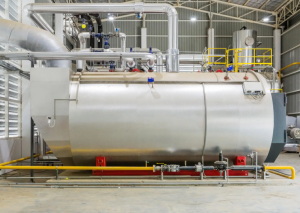
Steam boilers play a vital role in paper manufacturing, serving as the heart of thermal energy supply for production processes. These systems not only ensure stable heat delivery but also significantly impact paper quality and production efficiency. This article explores the applications, optimization strategies, and environmental technologies of steam boilers in paper manufacturing.

 The Critical Role of Steam Boilers

The paper industry has enormous energy demands, and steam boilers meet these requirements by providing powerful heat output for various production stages:

  • Raw material pretreatment
  • Pulping processes
  • Bleaching operations
  • Paper drying and forming
  • Calendering and finishing

Steam application accelerates production timelines while enhancing final product quality, making boilers indispensable in modern paper manufacturing.
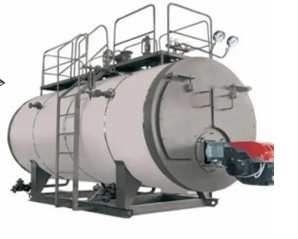
 Paper Production Line Overview

Paper manufacturing involves complex processes where steam serves essential functions:

Key Production Stages:

Raw Material Preparation: Steam adjusts material moisture for optimal processing

Pulping: Steam heats and softens fibers for mechanical/chemical treatment

Bleaching: Steam activates bleaching agents for improved efficiency

Wire Section: Steam controls humidity for proper sheet formation

Drying: Steam-heated air rapidly removes moisture

Calendering: Steam heats rollers to enhance surface smoothness

Precise steam temperature and humidity control directly affect paper quality, strength, and appearance throughout these processes.
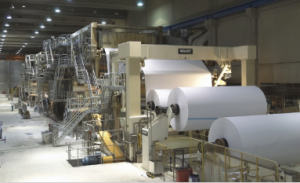
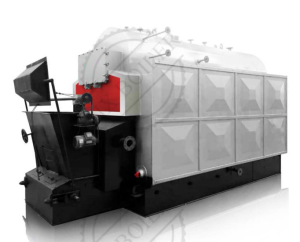
Recommended Boiler Model: SZL Series

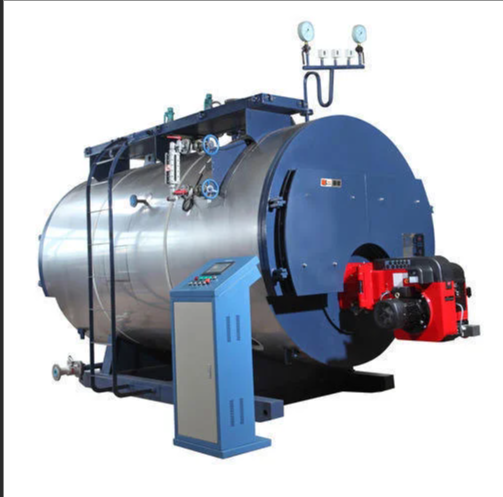
Boiler Philippines recommends the SZL series steam boiler for paper manufacturing applications, featuring:

  • Double-drum longitudinal design: Ensures continuous, uniform steam generation
  • Chain grate stoker: Promotes even fuel distribution and complete combustion
  • Water-cooled walls: Protects furnace while absorbing thermal energy
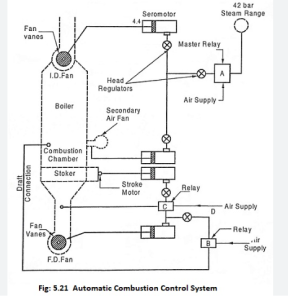
  • Automated control system: Precisely regulates fuel/air ratios for safe operation

These features combine to deliver high thermal efficiency ideal for paper production needs.
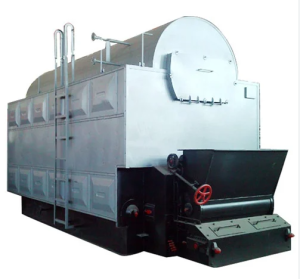
Boiler Operation Optimization

Enhance paper manufacturing efficiency through these boiler optimization strategies:

Performance Improvements:

  • Load management: Match output to production demands
  • Combustion optimization: Fine-tune parameters for maximum efficiency
  • Automated controls: Maintain precise steam pressure/temperature
  • Preventive maintenance: Regular inspections and component servicing

Production Line Integration

Modern integration solutions connect boilers seamlessly with paper manufacturing:

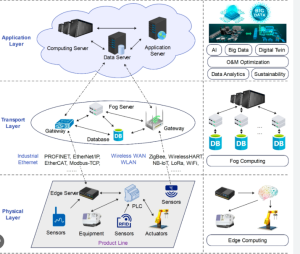
  • Real-time data exchange: Automatic boiler adjustments based on production needs
  • Energy management: Comprehensive monitoring for optimal consumption
  • Environmental control: Precise steam conditioning for process stability

Environmental Protection Measures

Boiler Philippines implements sustainable technologies for greener operations

Eco-Friendly Solutions:

  • Emission controls: Advanced desulfurization and denitrification systems
  • Waste heat recovery: Utilizing flue gas energy for preheating
  • Clean fuels: Biomass alternatives to reduce fossil fuel dependence
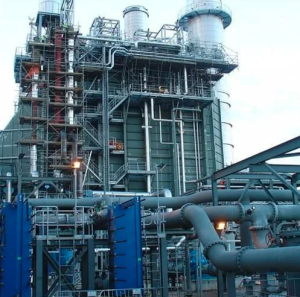
Conclusion

As the core of paper manufacturing systems, steam boilers enable both production efficiency and quality control when properly optimized. By implementing advanced control systems and environmental technologies, Boiler Philippines helps paper manufacturers achieve sustainable operations without compromising performance.

About Us

Boiler Philippines is a leading steam boiler manufacturer with 40 years of industry experience, committed to delivering cost-effective thermal solutions.

Contact Information

Email: [email protected]

Address: Manila, Philippines

Visit us at: http://www.boiler.ph
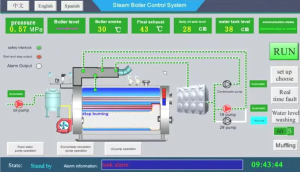
Precision Control Redefined: Exploring Boiler Philippines’ WNS Gas Steam Boiler Panel Components


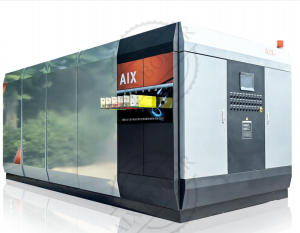
How Our WNS Gas Steam Boiler Control Panel Works

Boiler Philippines presents cutting-edge WNS series gas steam boiler control panels, engineered for optimal performance and safety in demanding industrial applications.

Intelligent Operation Management

When your gas steam boiler operates, the Boiler control panel collects real-time sensor data to maintain ideal conditions. Our PLC evaluates this data and executes precise commands.

  • Automated water level regulation with dual-color gauge and alarm system
  • Pressure surge protection with safety interlocks
  • Instant response to operational anomalies

Core Components of Boiler Philippines WNS Control Panel

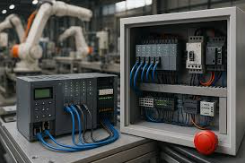
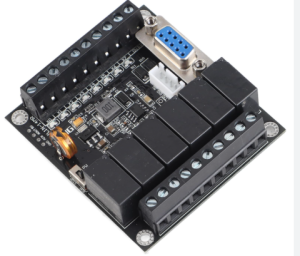
1. PLC Controller

The programmable logic controller serves as the system brain, processing sensor signals and executing control logic for safe, efficient operation.

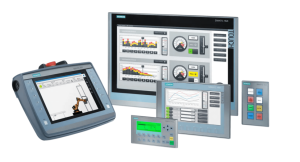
2. Human-Machine Interface (HMI)

Featuring premium touchscreens from Siemens/Schneider, displaying:

  • Real-time pressure/temperature data
  • Water level indicators
  • Exhaust temperature readings
  • Operational status updates


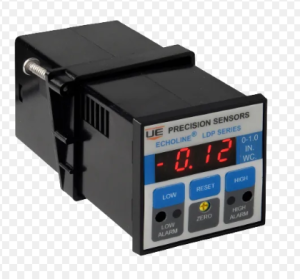
3. Precision Sensors

  • Temperature Sensors: Monitor steam/water/exhaust temperatures (PT100 400℃)
  • Pressure Sensors: 1.6 MPa capacity with pressure controllers
  • Water Level Controller: Prevents dry burning/overflow with real-time monitoring

4. Advanced Combustion Control

  • Electronic air-fuel ratio management
  • Emergency shut-off valves
  • Flame detection systems

Safety & Efficiency Assurance

98% Operational Efficiency

Through optimized combustion control

Ultra-Low Emissions

<20ppm NOx with 93.3% combustion efficiency

Rapid Response

5-minute steam capacity achievement

Comprehensive Protection

Pressure relief valves, overheat protection, emergency shutdown

Technical Specifications

Category Specification Details
Control Cabinet Dimensions 1200*1000*550mm
PLC System SR30 CPU + AE08/AE06 modules
HMI Display 10″ Touchscreen
Sensors Temperature Range PT100 200-400℃
Pressure Capacity 1.6 MPa
Response Time <2s for critical alerts
Safety Systems Emission Control <20ppm NOx

Remote Monitoring Capabilities

Optional cloud-connected systems enable:

  • Mobile diagnostics
  • Remote parameter adjustment
  • Predictive maintenance alerts


Why Choose Boiler Philippines?

  • 40+ years industrial boiler expertise
  • ISO-certified manufacturing
  • Customized solutions for Philippine industries
  • Comprehensive after-sales support

Contact Our Engineers Today:

📞 +86 15896773898
📧 [email protected]


Everything You Need to Know About Oil-Fired Hot Water Boilers


A Complete Guide to Oil-Fired Hot Water Boilers

By Boiler Philippines | July 25, 2025

Hot water is a vital need for industries and homes, especially in regions with colder climates. Bulk hot water production is only feasible with an oil-fired hot water boiler system.

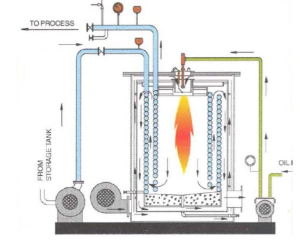
Hot Water boiler Oil Fired System Drawing


What Is an Oil-Fired Hot Water Boiler System?

An industrial hot water boiler is a complex network of vessels enclosed in a metal container. It uses heat energy from fuel combustion to raise water temperature, which is then transported through pipes for industrial use.


Design of an Oil-Fired Hot Water Boiler

Unlike commercial systems, industrial boilers do not boil water but heat it to 220°F (beyond the standard boiling point of 212°F) due to increased internal pressure.

Key Design Features:

  • Compact and durable: Made from anti-corrosive metals like stainless steel.
  • Lightweight insulation: Aluminum silicate fiber lining for temperature and pressure resistance.
  • Shape options: Circular, vertical, or horizontal designs.

Components of an Oil-Fired Hot Water Boiler

Every boiler includes these core parts:

  1. Burner: Combusts fuel (oil, gas, or solid) to generate heat.
  2. Heat Exchanger: Transfers heat from combustion to water.
  3. Combustion Chamber: Space where fuel burns continuously.
  4. Control Systems: Automation tools for monitoring temperature, pressure, and alarms.


Accessory Parts (Optional):

  • Economizer
  • Circulation pump
  • Aquastat
  • Feedwater heater
  • Condenser

Types of Industrial Hot Water Boilers

1. Gas-Fired Boilers

  • Fuels: Natural gas, LPG, propane, or butane.
  • Most efficient but costly.

2. Oil-Fired Boilers

  • Fuels: Light oil, heavy oil, kerosene, red diesel.
  • Ideal where piped gas is unavailable.

3. Solid-Fuel Boilers

  • Fuels: Wood, coal, agricultural waste.
  • Lower efficiency but cost-effective.

4. Electric Boilers

  • 98% efficiency; requires stable power supply.


5. Vacuum Boilers

  • Operates under negative pressure for safety.
  • Energy-efficient and versatile for varying temperature needs.


How Does an Oil-Fired Hot Water Boiler Work?

  1. Fuel Intake: Oil is fed into the combustion chamber.
  2. Combustion: Heat is generated and transferred via the heat exchanger.
  3. Water Heating: Water circulates through tubes, absorbing heat.
  4. Distribution: Hot water is pumped to industrial systems.

Advantages of Oil-Fired Hot Water Boilers

  • Safety: Stainless steel construction and pressure-resistant design.
  • High Efficiency: Up to 98% with economizers/condensers.
  • Automation: Smart controls for temperature regulation and leak detection.


Safety Precautions

  • Wear protective gear.
  • Regularly check fuel/water levels and leaks.
  • Never leave the boiler unattended.

Maintenance Steps

  1. Inspect: Fuel lines, water supply, and heat surfaces.
  2. Revise: Professional check every 2 years.
  3. Clean: Remove residue and blockages.

Cost Range

  • Standard boilers: $9,000–$80,000 (capacity-dependent).
  • 5-ton boilers: $55,000–$98,000.


Why Choose Boiler Philippines?

With 40+ years of expertise, we provide:

  • Durable, lightweight boilers with aluminum silicate insulation.
  • Custom temperature control (10°C–90°C).
  • Microcomputerized systems for precision.

Contact us today for a tailored solution!

📧 [email protected]

🌐  http://www.boiler.ph
 

A Guide to Choosing the Best Boiler Grate Bars for Maintenance

How to Purchase the Right Boiler Grate Bars During Maintenance?

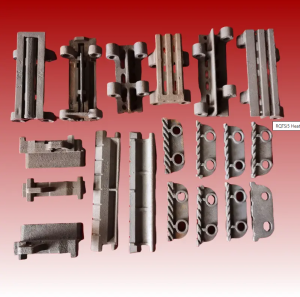
Boiler grate bars are critical components directly involved in fuel combustion, widely used in chain grate steam boilers, hot water boilers, thermal oil boilers, and other thermal equipment. To ensure the boiler operates efficiently, regular inspection and maintenance of the chain grate and its components are essential.

Common Chain Grate Issues and Solutions

  • Chain Grate Movement Failure: Large fuel particles or external forces can cause the grate to jam, leading to intermittent movement or complete stoppage. Severe cases may result in broken fuse links or damaged transmission mechanisms. Immediate inspection and troubleshooting are required


  • Chain and Gear Misalignment:Prolonged operation can cause significant wear, leading to misalignment. Timely chain replacement is necessary.


  • Chain Beam Bending: External forces or overload can bend the beams, requiring immediate replacement.


  • Grate Deviation During Operation: Improper adjustment of the front and rear axles during installation can cause unstable grate movement.


  • Fuel Coking on the Grate: Long-term use of low-quality coal or high-oil-content fuel can lead to caking on the grate surface. Regular cleaning is recommended.

Purchasing New Chain Grate Spare Parts

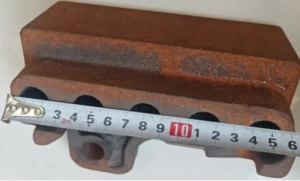
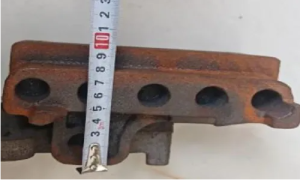
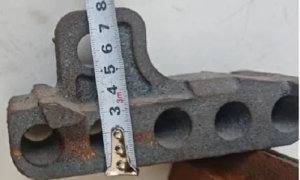
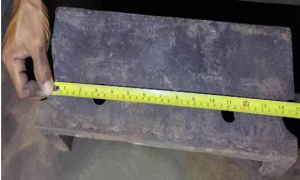
When replacing essential parts like grate bars, it’s crucial to provide suppliers with accurate details to avoid confusion. Below are key measurements for a 20t/h chain grate steam boiler:

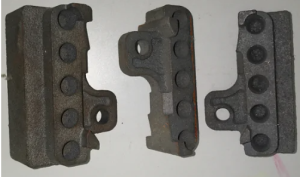
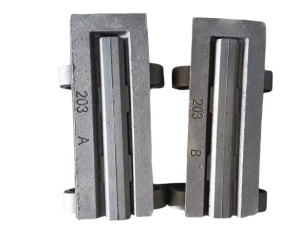
1. Left and Right Boiler Grate Bars

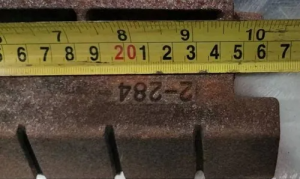
Measure the length, width, height, and positioning dimensions. Note that left and right bars may look similar but have different installation orientations.


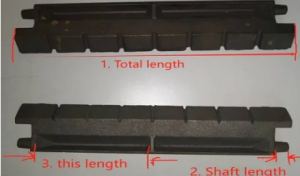
2. Middle Grate Bar

Provide detailed measurements as illustrated.


3. Large Grate (Fish Scale Type)

Due to variations between manufacturers and batches, measure the length, width, height, hole spacing, hole diameter, and other parameters.


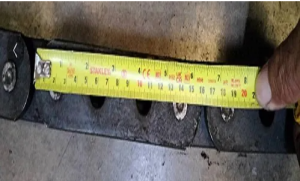
4. Chain

Specify the length, number of sections, thickness, and other requirements. For example, a 20m chain with 125 sections.

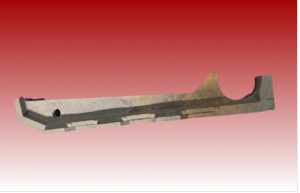
5. Boiler Slag Stopper/Ash Remover

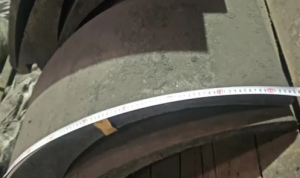
Measure the arc length and the distance between endpoints.

6. Roller

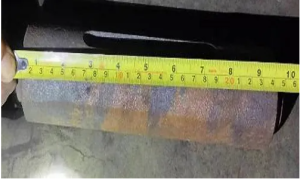
Provide the overall length.

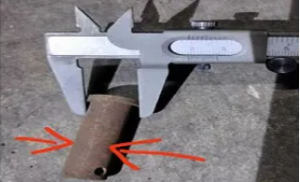
7. Bushing

Include outer and inner dimensions.

8. Shaft

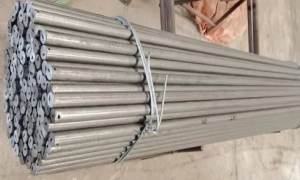
Specify the dimensions and overall length.

9. Grate Buckle

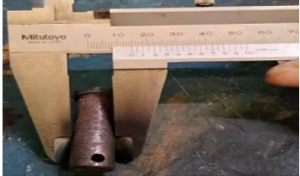
Provide the end face diameter and connecting part diameter.

10. Side Seal Plate

Measure the overall length, height, and width, as designs vary.

Summary

By providing the above data to suppliers, you can easily purchase the correct parts. If unsure, feel free to contact Boiler Philippines for professional assistance.

About Boiler Philippines

As a leading boiler manufacturer, we offer high-quality products at competitive prices. Our equipment is rigorously inspected and packaged to ensure superior performance.

Our Products Include:

  • Steam Boilers: Coal-fired, biomass, gas/oil-fired, electric, and more.
  • Thermal Oil Boilers
  • Chain Grate Stokers, Grate Bars, and Related Components


For inquiries, contact us:

[email protected]

🌐 www.boiler.ph
 

Continue reading

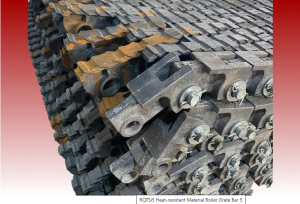
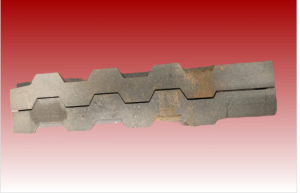
RQTSi5 Grate Bars – Superior Heat Resistance for Industrial Boilers

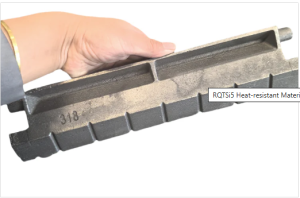
RQTSi5 Heat-Resistant Boiler Grate Bars: Superior Performance for Demanding Applications

Introduction to RQTSi5 Grate Bars

Boiler Philippines presents RQTSi5, our advanced heat-resistant material for boiler grate bars that outperforms traditional HT150 gray cast iron. Engineered for durability in harsh conditions, RQTSi5 offers extended service life and reduced maintenance downtime.

Key Advantages of RQTSi5 Material

  • Exceptional heat resistance (up to 900°C)
  • Superior thermal fatigue resistance
  • Maintained high-temperature strength
  • Enhanced corrosion resistance
  • Excellent chlorine corrosion protection

Chemical Composition

Component Minimum % Maximum %
Carbon (C) 2.4 3.2
Silicon (Si) 4.5 5.5
Manganese (Mn) 0.7
Phosphorus (P) 0.1
Sulfur (S) 0.03

Mechanical Properties

Form Test Temperature Tensile Strength (MPa) Hardness (HBW)
Casting Room Temp ≥370 228-302
Casting High Temp 67 (short-term)
Casting High Temp 30 (short-term)

Performance Features

1. Outstanding Heat Resistance

  • Withstands temperatures up to 800°C in air furnace gas (900°C at silicon upper limit)
  • Forms protective SiO₂ layer that prevents oxidation
  • Ideal for coal powder burners, furnace strips, and heating applications

2. Superior Thermal Fatigue Resistance

  • Maintains structural integrity through heating/cooling cycles
  • Low thermal expansion coefficient reduces stress cracking
  • Extends service life significantly compared to standard materials

3. High-Temperature Strength

  • Performs reliably at 950-1000°C combustion temperatures
  • Supports heavy loads in waste incineration applications
  • Resists softening and deformation under stress


4. Corrosion Resistance

  • Resists acidic gases (SO₂, HCl) from combustion
  • Handles alkaline ash conditions
  • Optional Mo alloying for enhanced acid resistance

5. Chlorine Corrosion Protection

  • Specialized protection against HCl formation
  • Maintains performance in waste incineration environments
  • Protective surface film prevents direct chloride contact

Applications

  • Coal-fired boilers (Class II bituminous/standard coal)
  • Waste incineration systems
  • Annealing furnaces
  • Heating furnaces
  • Industrial boiler grate systems

Why Choose Boiler Philippines?

  • 40+ years of boiler manufacturing expertise
  • Custom formulations available to meet specific needs
  • Foundry capabilities for specialized requirements
  • Factory-direct pricing with quality assurance
  • Comprehensive support for new installations and replacements

Product Replacement Benefits

  • 1-2 year service life under normal conditions
  • Reduced downtime versus standard materials
  • Improved operational efficiency
  • Lower total cost of ownership

Our Complete Product Range

Fuel Types

  • Coal
  • Biomass
  • Oil
  • Gas
  • Electric

Boiler Types

  • Steam
  • Hot water
  • Thermal oil

System Components

  • Chain grate stokers
  • Reciprocating grates

Specialty Equipment

  • Autoclaves for AAC blocks

Contact Boiler Philippines Today

For RQTSi5 grate bars or any boiler system needs:

Email: [email protected]

Website: www.boiler.ph
 

Boiler Philippines – Your trusted partner for high-performance boiler solutions since 1985. We guarantee quality equipment at competitive prices, with efficiency ratings up to 98% for oil/gas boilers and 85%+ for coal/biomass systems.
The Essential Guide to Boiler Capacity and Its Units

Understanding Boiler Capacity: Units, Calculations, and Selection Guide

Introduction to Boiler Capacity

When preparing to purchase a steam boiler, understanding boiler capacity is crucial for making an informed decision. Boiler capacity determines how much steam or heat energy your system can produce to meet your operational needs.

Types of Boiler Output

Different boiler types produce various forms of heat energy:

  • Steam boilers: Generate steam for industrial processes


  • Hot water boilers: Provide heated water for heating systems

  • Heat transfer oil boilers: Circulate thermal oil for high-temperature applications


  • Hot air boilers: Produce heated air for drying or space heating


Boiler Capacity Units

Different countries use various units to measure boiler capacity:

Boiler Type Common Capacity Units
Steam boilers ton/hr, kgs/hr, lbs/hr, BHP
Hot water boilers kW, kcal/h
Thermal oil boilers kW, MW, kcal/h
Hot air boilers kcal/h (with air volume in m³/h)


Capacity Conversion Guide

Standard conversion factors between common boiler capacity units:

Conversion Equivalent
1 ton/hour = 1000 kg/h
1 ton/hour = 12,000 Btu(IT)/hr
1 ton/hour = 2204.62 lbs
1 ton/hour = 646,500 kcal/h
1 ton/hour ≈ 700 kW (0.7 MW)
1 MW = 1000 kW

If you want to convert faster, please check the conversion tool below.

https://www.unitconverters.net/power-converter.html

Boiler Pressure Classification

Industrial boilers operate at different pressure levels:

  • Low pressure: 10-15 psi (small household boilers)
  • Medium pressure: 16-1000 psi (0.1-3.83 MPa)
  • High pressure: Above 1000 psi

Operating temperatures typically range from 194°F to 842°F (90°C to 450°C).


Fuel Options

Modern boilers can utilize various fuel sources:

  • Oil
  • Natural gas
  • Coal
  • Biomass
  • Electricity

Consider fuel costs, environmental regulations, and equipment expenses when selecting your boiler.


Water Capacity Considerations

Boiler water capacity affects performance:

  • Large water capacity:
    • Longer startup time
    • Better load stability
    • Increased safety
  • Small water capacity:
    • Faster response to load changes
    • More sensitive to sudden demand increases
    • Higher risk of water shortage

As a general rule, water capacity should approximately match the boiler’s working capacity.


Boiler Selection Factors

When choosing a boiler, consider:

  1. Required capacity (steam output or heat energy)
  2. Operating pressure and temperature
  3. Fuel type and availability
  4. Space constraints
  5. Efficiency requirements
  6. Environmental regulations

Why Choose Boiler Philippines?

  • 40+ years of boiler manufacturing experience
  • Factory-direct pricing
  • High-efficiency designs (up to 98% for oil/gas boilers)
  • Comprehensive boiler solutions
  • Expert technical support

Get Started

Ready to find the perfect boiler for your needs? Contact our sales team today for personalized recommendations and competitive quotes.


Contact Information:

Product Lines

  • Steam Boilers
  • Coal Fired Boilers
  • Biomass Steam Boilers
  • Thermal Oil Boilers
  • Vertical Boilers
  • Electric Steam Boilers
  • Hot Water Boilers
  • Chain Grate Stokers