
Understanding Boiler Capacity: Units, Calculations, and Selection Guide
Introduction to Boiler Capacity
When preparing to purchase a steam boiler, understanding boiler capacity is crucial for making an informed decision. Boiler capacity determines how much steam or heat energy your system can produce to meet your operational needs.
Types of Boiler Output
Different boiler types produce various forms of heat energy:
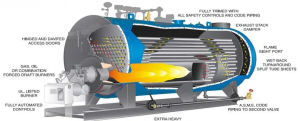
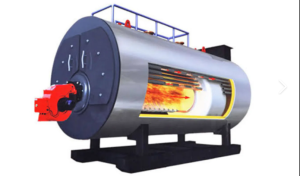
- Steam boilers: Generate steam for industrial processes
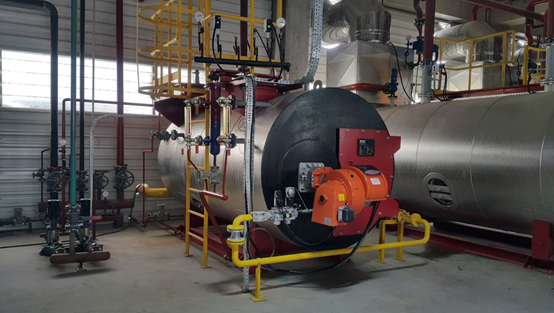
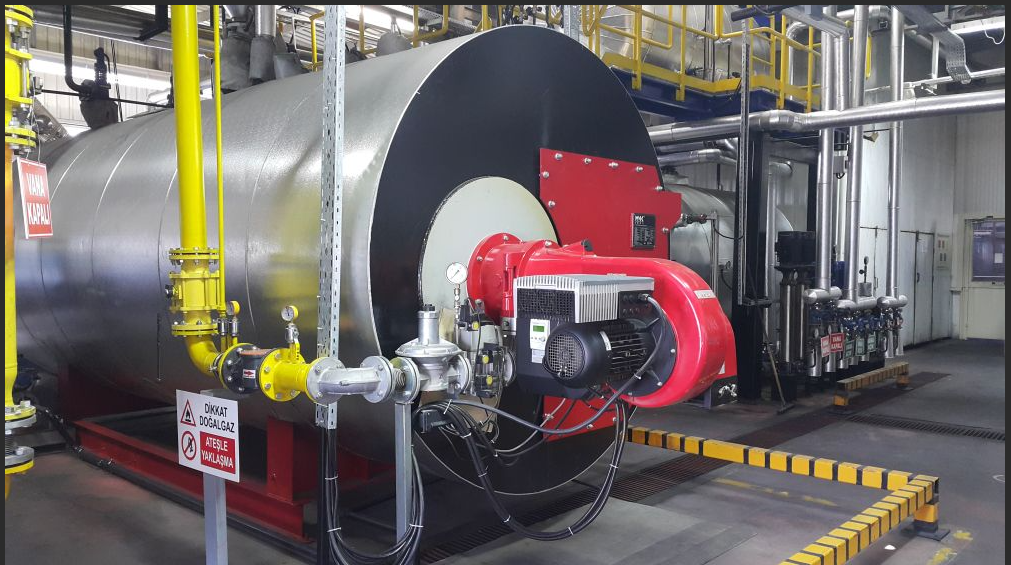
- Hot water boilers: Provide heated water for heating systems
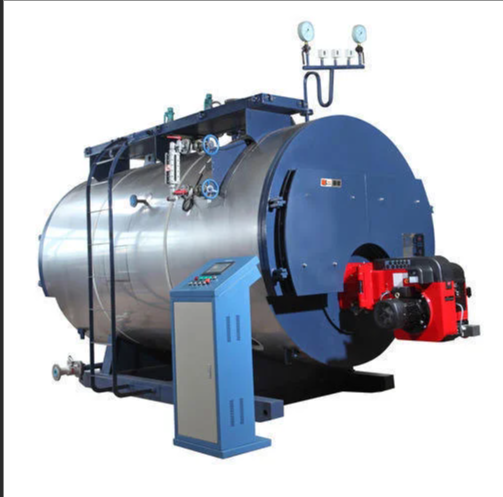
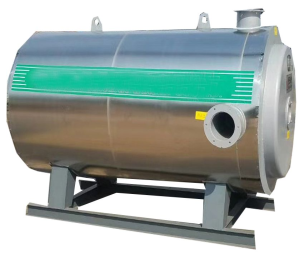
- Heat transfer oil boilers: Circulate thermal oil for high-temperature applications
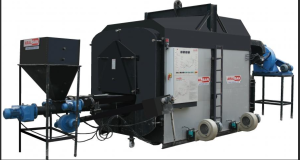
- Hot air boilers: Produce heated air for drying or space heating
Boiler Capacity Units
Different countries use various units to measure boiler capacity:
| Boiler Type | Common Capacity Units |
|---|---|
| Steam boilers | ton/hr, kgs/hr, lbs/hr, BHP |
| Hot water boilers | kW, kcal/h |
| Thermal oil boilers | kW, MW, kcal/h |
| Hot air boilers | kcal/h (with air volume in m³/h) |
Capacity Conversion Guide
Standard conversion factors between common boiler capacity units:
| Conversion | Equivalent |
|---|---|
| 1 ton/hour | = 1000 kg/h |
| 1 ton/hour | = 12,000 Btu(IT)/hr |
| 1 ton/hour | = 2204.62 lbs |
| 1 ton/hour | = 646,500 kcal/h |
| 1 ton/hour | ≈ 700 kW (0.7 MW) |
| 1 MW | = 1000 kW |
If you want to convert faster, please check the conversion tool below.
Boiler Pressure Classification
Industrial boilers operate at different pressure levels:
- Low pressure: 10-15 psi (small household boilers)
- Medium pressure: 16-1000 psi (0.1-3.83 MPa)
- High pressure: Above 1000 psi
Operating temperatures typically range from 194°F to 842°F (90°C to 450°C).
Water Capacity Considerations
Boiler water capacity affects performance:
- Large water capacity:
- Longer startup time
- Better load stability
- Increased safety
- Small water capacity:
- Faster response to load changes
- More sensitive to sudden demand increases
- Higher risk of water shortage
As a general rule, water capacity should approximately match the boiler’s working capacity.
Boiler Selection Factors
When choosing a boiler, consider:
- Required capacity (steam output or heat energy)
- Operating pressure and temperature
- Fuel type and availability
- Space constraints
- Efficiency requirements
- Environmental regulations
Why Choose Boiler Philippines?
- 40+ years of boiler manufacturing experience
- Factory-direct pricing
- High-efficiency designs (up to 98% for oil/gas boilers)
- Comprehensive boiler solutions
- Expert technical support
Get Started
Ready to find the perfect boiler for your needs? Contact our sales team today for personalized recommendations and competitive quotes.
Product Lines
- Steam Boilers
- Coal Fired Boilers
- Biomass Steam Boilers
- Thermal Oil Boilers
- Vertical Boilers
- Electric Steam Boilers
- Hot Water Boilers
- Chain Grate Stokers